
Few things ruin a warm evening outdoors faster than a swarm of hungry mosquitoes. You invite friends over for a relaxing barbecue, only to find everyone slapping their ankles and retreating indoors. For decades, consumers have debated the effectiveness of natural plant-based repellents compared to harsh chemical sprays. Many people express valid skepticism about whether a simple smoking stick can actually protect a patio.
This article delivers an evidence-based evaluation of mosquito incense products. We will separate clever marketing claims from actual, verified performance. You need to know exactly what works, what fails, and how to identify quality products before your next backyard gathering.
Ahead, we will cover how these sticks interact with mosquito biology. We will analyze specific ingredient efficacy and detail strict environmental limitations. Finally, you will learn practical strategies to evaluate options and deploy them effectively in your own outdoor spaces.
Mechanism: Mosquito repellent incense sticks work by masking human scents (CO2 and lactic acid), not by killing insects.
Efficacy Variables: Success heavily relies on the concentration of active botanical oils and environmental factors (primarily wind).
Best Use Case: Highly effective for stationary, semi-enclosed outdoor settings (patios) when used as a perimeter defense.
Limitation: Not a standalone solution for deep-woods environments or high-wind conditions; best paired with topical repellents.
To understand how Mosquito Repellent Incense Sticks function, we first need to look at how mosquitoes hunt. Female mosquitoes require blood meals to develop their eggs. They locate hosts using highly specialized olfactory organs called maxillary palps. These sensory receptors detect invisible plumes of carbon dioxide exhaled from our lungs. Once they follow this carbon dioxide trail closer, they pick up secondary attractants like lactic acid, uric acid, and skin bacteria.
Many consumers mistakenly believe burning incense kills flying insects. True botanical incense products act as scent maskers, not insecticides. The smoke carrying volatile plant oils fills the surrounding airspace. These botanical compounds actively scramble the mosquito's olfactory receptors. When the bug enters the treated zone, it loses its ability to pinpoint the carbon dioxide and lactic acid sources. The mosquito becomes confused and typically flies away to find an easier target.
The delivery system itself plays a crucial role in this process. A quality incense stick is designed to burn slowly. This smoldering action gently heats the infused essential oils without completely combusting and destroying their chemical structures. As the stick burns, it steadily vaporizes the active ingredients into the immediate environment. This continuous release creates a lingering, protective scent cloud over the seating area.
Proper vaporization ensures the protective barrier remains stable. If the heat is too high, the botanical compounds burn off too quickly and lose their repellent properties. The slow, regulated burn of a well-crafted stick maximizes the atmospheric suspension of these masking agents. This creates a localized zone where human scents remain virtually invisible to foraging pests.
The effectiveness of any herbal mosquito incense heavily depends on its botanical profile. Certain plant oils contain powerful chemical disruptors that naturally deter insects. Manufacturers often blend several oils to create a broad-spectrum sensory barrier. Understanding these ingredients helps you choose a superior product.
| Active Ingredient | Primary Repellent Compound | Mechanism of Action |
|---|---|---|
| Citronella | Citronellal / Geraniol | Highly effective at masking carbon dioxide and human lactic acid. |
| Lemongrass | Citral | Provides a sharp citrus scent that overloads mosquito sensory organs. |
| Rosemary | Alpha-pinene / Eucalyptol | Acts as a powerful irritant to the insect's respiratory system. |
| Cedarwood | Cedrol | Naturally repels a wide variety of flying pests, including gnats and moths. |
| Peppermint | Menthol | Creates a cooling vapor that acts as a strong broad-spectrum deterrent. |
While the type of oil matters, concentration separates effective products from useless novelties. High-performing sticks contain a significant percentage of pure essential oils. They release a dense, fragrant vapor capable of covering a wide radius. Cheap alternatives often contain less than one percent active oil. These generic sticks simply produce plain wood smoke. While generic smoke offers a minor physical barrier, it lacks the chemical masking power needed for true protection.
The safety profile of plant-based repellents offers another major advantage. Many families want to avoid applying synthetic chemicals like DEET directly to their skin, especially during casual evening gatherings. Botanical incense provides a hands-free, ambient layer of defense. Because these products rely on natural essential oils, they present a much lower toxicity risk. This makes them highly appealing for households looking out for family and pet safety during outdoor events.
However, safety relies on proper usage. You must burn these products in well-ventilated areas. High concentrations of any smoke can irritate sensitive lungs. By choosing sticks formulated with pure botanical oils and avoiding those padded with synthetic fragrances, you create a safer, more pleasant environment for everyone on your patio.
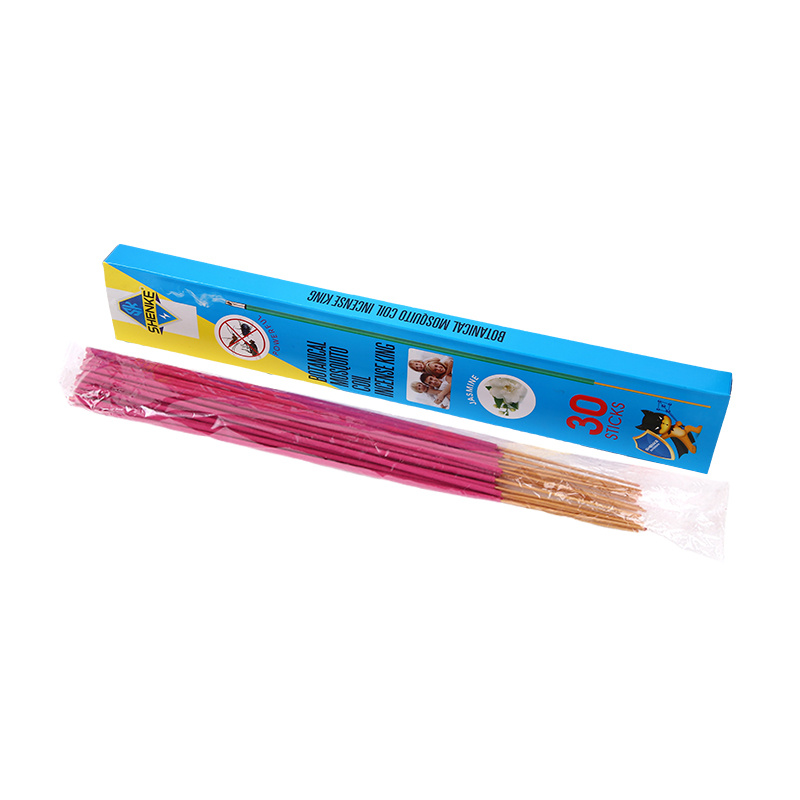
Understanding how outdoor mosquito repellent sticks perform in real-world conditions prevents user frustration. The single biggest threat to their efficacy is wind. Because these products rely on creating a suspended "scent cloud" in the air, breezes actively disrupt the barrier. A steady wind above five miles per hour will blow the vaporized oils away from your seating area, leaving you entirely unprotected.
To achieve the best results, you must evaluate your deployment environment. These products excel in specific scenarios where airflow remains relatively controlled. Semi-enclosed spaces allow the vapor to accumulate and linger, maximizing the masking effect.
Covered Patios: Overhangs trap the rising botanical vapors, creating a dense canopy of protection.
Sunken Porches: Walls or solid railings block cross breezes, keeping the protective cloud concentrated around seating areas.
Densely Planted Backyards: Thick shrubs and garden walls act as natural windbreaks, allowing the scent barrier to stabilize.
The situation changes dramatically when you step away from controlled backyard environments. When evaluating a camping mosquito repellent strategy, you must adjust your expectations. Deep-woods environments often feature heavy insect infestations and unpredictable wind patterns. A single stick placed near a campfire will not provide adequate protection against a high volume of aggressive forest mosquitoes.
For high-exposure scenarios, you should adopt a layered defense strategy. Incense sticks work perfectly to clear out the immediate airspace inside a screened-in dining tent or under a dense tarp shelter. However, if you plan to hike away from the campsite or sit in an open, windy field, you must combine ambient smoke repellents with high-quality topical sprays. The incense reduces the overall swarm density, while the topical spray protects your skin from the persistent few.
Not all garden mosquito repellent sticks deliver equal performance. When shopping for reliable protection, you need to look beyond attractive packaging. Burn time, physical thickness, and material purity heavily dictate how well the product will shield your outdoor space.
| Specification | Standard Thin Sticks | Jumbo / Thick Sticks |
|---|---|---|
| Average Burn Time | 30 – 45 minutes | 1.5 – 2.5 hours |
| Smoke Output | Light to moderate | Heavy, dense vapor cloud |
| Best Use Case | Quick tasks, short patio breaks | Long dinners, evening parties |
| Wind Resistance | Very low (easily dispersed) | Moderate (heavier output compensates) |
Coverage radius is another critical buying factor. Most manufacturers claim their sticks cover a large area, but realistic expectations differ from marketing copy. Under optimal, low-wind conditions, a high-quality stick provides a dependable protection radius of about 10 to 15 feet. If you buy standard sticks with a thin core, that radius might shrink to 5 feet. Knowing this radius helps you calculate exactly how many sticks you need to secure your specific patio dimensions.
You must also carefully inspect the binder and base materials. To mass-produce cheap sticks, some brands use synthetic chemical binders, artificial fragrances, and potassium nitrate to force a fast burn. Inhaling toxic glue smoke completely negates the health benefits of using plant-based repellents. You should actively look for brands that advertise clean base materials.
The best options use compressed sawdust or natural bamboo cores. They bind the ingredients using natural plant resins rather than synthetic glues. These clean-burning bases ensure the smoke carries only the beneficial essential oils. This results in a purer scent, less respiratory irritation, and a more effective masking cloud.
Even the highest quality products fail if you deploy them incorrectly. To achieve maximum protection, you need a tactical approach to placement. Implementing a perimeter defense protocol ensures the vapor covers the entire target area evenly, leaving no gaps for pests to exploit.
Map the Seating Area: Identify the specific zone where your guests will sit, eat, or relax. Ignore empty corners of the yard.
Establish the Perimeter: Place incense sticks in a circular or square pattern around the edges of the seating area. Space each stick roughly 10 to 12 feet apart. This spacing creates overlapping protective radiuses, forming an unbroken barrier.
Adjust for Wind: Note the direction of any subtle breezes. Shift your perimeter slightly upwind. This allows the natural airflow to carry the scent cloud gently across your seating area rather than blowing it into the neighbor's yard.
Keep it Low: Most mosquitoes hover near the ground, targeting ankles and legs. Place your sticks close to the floor in sturdy, non-combustible holders. Thermal dynamics will naturally carry the warm, scented smoke upward, protecting your entire body.
Timing the burn proves just as important as physical placement. A common mistake is lighting the sticks right as guests sit down. The botanical oils need time to vaporize, accumulate, and effectively scramble the local airspace. You should light your perimeter 10 to 15 minutes before occupying the patio. This pre-burn period allows the scent barrier to fully establish itself before human attractants arrive.
Monitor the sticks throughout the evening. If a sudden gust of wind clears the vapor cloud, you may need to adjust their positioning. Move them behind a solid chair or a large potted plant to block the breeze. By combining high-quality materials with this strategic deployment method, you drastically increase your chances of enjoying a peaceful, bite-free evening outdoors.
Our analysis shows that mosquito incense sticks offer highly effective protection when used within their specific limits. They excel at creating a localized, temporary barrier on patios, porches, and decks. By masking human carbon dioxide and lactic acid signatures, these botanical tools provide a safe, DEET-free alternative for stationary outdoor gatherings.
When selecting your defense, base your purchasing decision on oil concentration, base material purity, and total burn time rather than hunting for the lowest price. A jumbo stick packed with a high percentage of citronella, lemongrass, and peppermint will heavily outperform a handful of cheap, thin alternatives. Quality formulation translates directly to stronger sensory masking.
Before your next barbecue or evening under the stars, measure your main seating area. Calculate your required perimeter using a 10-foot radius rule. By stocking up on the correct quantity of premium sticks and deploying them strategically, you can finally reclaim your outdoor living spaces from flying pests.
A: Most natural sticks are safer than chemical sprays, but pets have sensitive respiratory systems. You should only use these products in well-ventilated outdoor areas. Keep the burning sticks elevated or enclosed in proper holders to prevent accidental burns or ingestion. If your pet shows signs of sneezing or coughing, move them away from the smoke path immediately.
A: Yes, they offer broad-spectrum protection. Essential oils like peppermint, cedarwood, and lemongrass scramble the olfactory sensors of many flying insects. While specifically formulated for mosquitoes, the dense aromatic smoke creates a hostile environment that effectively deters gnats, midges, and common houseflies from entering the immediate airspace.
A: No, you should never use outdoor sticks inside your home. These products are designed to produce a heavy output of smoke to combat outdoor breezes. Burning them indoors causes rapid smoke accumulation, leading to severe respiratory irritation, stained ceilings, and significant fire hazards. Only use them in open-air or well-ventilated semi-enclosed spaces.
A: Yes, the essential oils within the sticks degrade over time. Exposure to air, heat, and direct sunlight causes the volatile compounds to evaporate, drastically reducing their repellent power. To maximize their shelf life, store unused sticks in an airtight container or a sealed plastic bag in a cool, dark place. They typically remain effective for one to two years.