


Mosquitoes are not only a nuisance but also a serious health risk, as they carry diseases like malaria, dengue, and Zika virus. In the battle against these pests, various mosquito control methods have been introduced, and one that has gained significant popularity is the ultrasonic mosquito repellent. This device promises to keep mosquitoes away without the need for chemicals or sprays, making it a more natural and eco-friendly option for many people. However, the effectiveness of ultrasonic mosquito repellents is still a topic of debate.
In this article, we will explore the science behind ultrasonic mosquito repellents, their advantages, and disadvantages, and how they compare to other mosquito control methods such as electric mosquito repellent liquid. We will dive into the research and real-world effectiveness of these devices, answering the question: Do ultrasonic mosquito repellents actually work?
An ultrasonic mosquito repellent is a device that emits high-frequency sound waves, typically above the range of human hearing, to repel mosquitoes. These sound waves are said to mimic the mating calls of certain mosquito species or the sounds of predators, which can either confuse or scare away the insects. The primary goal of ultrasonic repellents is to create an environment where mosquitoes are disoriented and unable to approach or land, thus avoiding bites.
Unlike chemical repellents, which use ingredients like DEET or pyrethroids, ultrasonic devices are marketed as safe and non-toxic. They are often promoted as an eco-friendly alternative that doesn’t involve harmful chemicals or sprays, which can be appealing to those who are concerned about the environmental and health risks associated with traditional mosquito control methods.
Ultrasonic mosquito repellents work by emitting sound waves at frequencies that mosquitoes are sensitive to. These high-frequency sounds (typically around 20 kHz to 65 kHz) are beyond the hearing range of humans but can be detected by mosquitoes. The theory is that these ultrasonic waves either mimic the sounds of predator insects, such as dragonflies, or disrupt the mosquito's communication system, preventing them from finding humans or other hosts to bite.
In some ultrasonic devices, the sound waves are meant to simulate the sound of male mosquitoes, which female mosquitoes avoid during mating season. In other cases, the ultrasonic waves are believed to interfere with the mosquito's ability to detect carbon dioxide or other signals that help them locate their prey.
Despite the promising claims, the actual effectiveness of ultrasonic mosquito repellents has been a subject of much research and debate.
The primary question that needs to be addressed is whether ultrasonic mosquito repellents are actually effective in repelling mosquitoes. While these devices are widely available and marketed as an innovative solution to mosquito problems, the scientific community remains divided on their efficacy.
Several studies have been conducted to test the effectiveness of ultrasonic mosquito repellents, with mixed results. Some studies suggest that ultrasonic sound waves can have a repelling effect on mosquitoes, while others indicate that these devices have little to no impact on mosquito behavior.
Positive Results: Some studies have shown that ultrasonic waves can interfere with mosquitoes' ability to locate their hosts. A study conducted by the University of California found that ultrasonic repellents could reduce mosquito activity by disorienting them and preventing them from landing on a host.
Neutral/Negative Results: However, other studies, such as one published in the Journal of the American Mosquito Control Association, have found little evidence that ultrasonic devices are effective in repelling mosquitoes. The study concluded that ultrasonic devices may not significantly affect mosquito behavior, and their use should not replace traditional mosquito control methods.
The lack of consistent, conclusive results has led many experts to remain skeptical about the effectiveness of ultrasonic repellents.
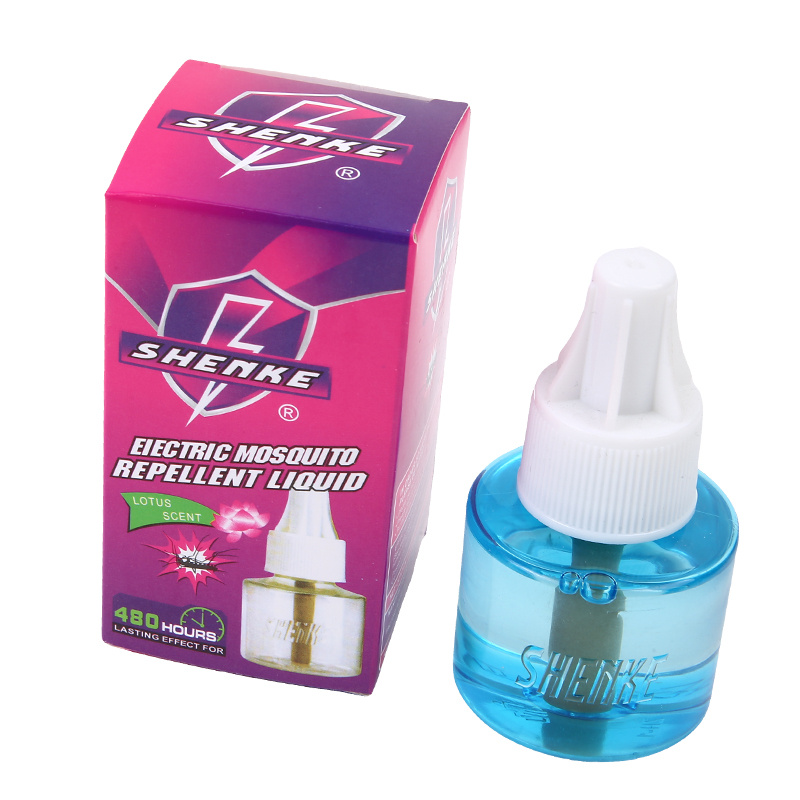
While ultrasonic mosquito repellents may offer some benefits, electric mosquito repellent liquid devices are widely considered more effective. Unlike ultrasonic devices, which rely on sound waves to repel mosquitoes, electric mosquito repellent liquid works by releasing insecticidal vapors into the air, which actively kills or repels mosquitoes.
Some of the key advantages of electric mosquito repellent liquid devices include:
Proven Effectiveness: Electric mosquito repellent liquid devices, which contain ingredients like transfluthrin and allethrin, are scientifically proven to be effective in repelling mosquitoes. These chemicals directly affect the mosquito's nervous system, causing them to avoid the area.
Continuous Protection: Once a electric mosquito repellent liquid device is plugged in, it releases a steady stream of repellent for several hours or even days, providing continuous protection. This makes it ideal for use in homes, offices, and other indoor spaces where mosquitoes are active.
No Need for Human Action: Electric mosquito repellent liquid devices require minimal effort. After inserting the liquid cartridge, all you need to do is plug in the device, and it will begin working automatically. This is a stark contrast to ultrasonic devices, which require constant operation and may not offer the same level of consistent protection.
One of the main selling points of ultrasonic mosquito repellents is their safety and eco-friendliness. Since they do not rely on chemicals, ultrasonic devices are often marketed as safer for children, pets, and the environment. However, electric mosquito repellent liquid is also generally considered safe for humans and pets when used according to the manufacturer's guidelines. Many electric mosquito repellent liquid products use low-toxicity ingredients, and the vapors released are designed to be safe when inhaled in moderate amounts.
When it comes to environmental impact, electric mosquito repellent liquid devices are also considered more sustainable than their ultrasonic counterparts. Electric mosquito repellent liquid devices are typically powered by electricity, while ultrasonic devices often require batteries, which can contribute to electronic waste.
Despite the debate surrounding their effectiveness, ultrasonic mosquito repellents do offer some benefits, including:
Chemical-Free Solution: Ultrasonic repellents are a chemical-free alternative to traditional mosquito repellents, making them a popular choice for individuals who prefer natural methods of pest control.
Quiet Operation: Ultrasonic devices operate quietly, without the loud buzzing or clicking that can be associated with other mosquito control methods like sprays or traps. This makes them ideal for use in bedrooms and other quiet areas.
Convenient and Portable: Ultrasonic mosquito repellents are often small and portable, making them easy to carry for use in various locations such as camping trips, outdoor events, or during travel.
No Residue or Mess: Unlike sprays or electric mosquito repellent liquid devices, ultrasonic repellents do not leave residue or mess behind, which is especially important in areas where cleanliness is a priority.
While ultrasonic mosquito repellents have their advantages, they also have several limitations:
Questionable Effectiveness: As discussed earlier, the effectiveness of ultrasonic mosquito repellents is highly debated. Many studies have found little evidence that they significantly reduce mosquito activity, and they may not be as effective as other methods like electric mosquito repellent liquid.
Limited Range: Ultrasonic mosquito repellents have a limited range of effectiveness. The sound waves emitted by these devices can only cover a certain area, which means that they may not provide sufficient protection in larger spaces or outdoor areas.
Battery Dependence: Many ultrasonic devices are battery-powered, which can be inconvenient and costly in the long term. Batteries need to be replaced regularly, and the device may stop working if the batteries run out, leaving you unprotected from mosquitoes.
Sensitivity to Environmental Factors: Ultrasonic devices may be affected by environmental factors such as walls, furniture, or other obstructions, which can block the sound waves and reduce their effectiveness. This is not an issue for electric mosquito repellent liquid, which releases vapors that spread through the air regardless of physical barriers.
A: Yes, ultrasonic mosquito repellents are generally safe to use, as they do not involve harmful chemicals. However, their effectiveness may vary, and they should not be relied upon as the sole method for mosquito control.
A: Electric mosquito repellent liquid is generally considered more effective than ultrasonic repellents. It works by releasing insecticidal vapors that actively repel or kill mosquitoes, while ultrasonic repellents rely on sound waves, which may not have the same level of impact.
A: Ultrasonic mosquito repellents are designed primarily for indoor use. Their effectiveness can be limited in outdoor environments where sound waves may dissipate or be blocked by physical barriers.
A: Typically, a 40ml cartridge of electric mosquito repellent liquid can last up to 45 nights when used for 8 hours per night.
A: Yes, some brands offer eco-friendly electric mosquito repellent liquid options that use natural ingredients or biodegradable materials. It is advisable to check the product specifications if you are looking for an environmentally friendly solution.
A: Ultrasonic repellents may have varying levels of effectiveness depending on the mosquito species. Some studies suggest that these devices are more effective for certain mosquito species than others.
While electric mosquito repellent liquid has proven to be a highly effective solution for repelling mosquitoes, the jury is still out on ultrasonic mosquito repellents. While these devices offer some benefits, such as being chemical-free and portable, their effectiveness remains uncertain, and they may not provide the same level of reliable protection as traditional methods. For those seeking a more effective and proven solution, electric mosquito repellent liquid remains one of the most trusted options for controlling mosquito populations and preventing bites.


