
Mosquitoes are not just a nuisance; they are carriers of diseases like malaria, dengue fever, Zika virus, and West Nile virus, making them a significant health threat worldwide. Whether you're enjoying a summer evening outdoors or living in a mosquito-prone area, keeping mosquitoes at bay is a priority for many. But with so many mosquito repellents on the market, it's easy to feel overwhelmed. The big question remains: Does anything actually work to repel mosquitoes?
In this article, we’ll delve into the science behind mosquito repellents, explore the various types available, and discuss what really works when it comes to keeping these pesky insects away.
To understand why certain repellents work, it helps to first understand why mosquitoes bite in the first place. Mosquitoes are drawn to humans for several reasons:
Carbon Dioxide (CO2): Mosquitoes are highly attracted to the carbon dioxide that humans and animals exhale. When we breathe out, it signals to mosquitoes that a potential meal is nearby.
Body Heat: Mosquitoes are also attracted to heat. They can sense the warmth of our bodies, which helps them locate us even from a distance.
Body Odor and Sweat: Certain chemicals in our sweat and body odor, such as lactic acid, attract mosquitoes. These odors signal to mosquitoes that we are a potential host.
Skin Bacteria: The natural bacteria found on your skin can also attract mosquitoes. The more bacteria, the more appealing your skin might be to them.
Certain Chemicals: Other compounds, such as ammonia and uric acid in our sweat, also attract mosquitoes, making some people more prone to bites than others.
With these factors in mind, mosquito repellents work by masking or blocking these signals that attract mosquitoes, essentially making you less noticeable to them.
Mosquito repellents are products that are designed to keep mosquitoes away from you by interfering with their ability to locate their target. Repellents come in many forms, such as sprays, lotions, candles, and coils, and they use various active ingredients to achieve this goal.
There are two main types of mosquito repellents:
Chemical Repellents: These contain synthetic chemicals that block the mosquito’s ability to detect the signals it uses to find a host. The most common and effective chemical ingredients include DEET (N,N-Diethyl-meta-toluamide), picaridin, and oil of lemon eucalyptus.
Natural Repellents: These are derived from plant-based ingredients and essential oils. While they are typically less toxic than chemical repellents, their effectiveness can vary. Common natural repellents include citronella, lemon eucalyptus oil, lavender oil, and peppermint oil.
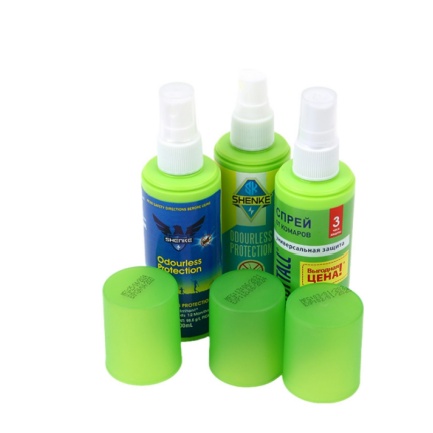
Chemical repellents have long been the go-to solution for repelling mosquitoes and other insects, particularly in regions where mosquito-borne diseases are a major concern. When it comes to the most effective mosquito control methods, chemical repellents like DEET, Picaridin, and Oil of Lemon Eucalyptus (OLE) are among the most widely used and studied. In this section, we'll take a closer look at how these chemical repellents work, their effectiveness, and the considerations for their use.
DEET is the most well-known and extensively researched mosquito repellent. It has been used for decades in both military and civilian applications and remains one of the most effective ways to keep mosquitoes at bay.
How It Works:
DEET works by interfering with the mosquito’s ability to detect human skin chemicals, particularly carbon dioxide and body odors, which are major attractants for mosquitoes. When DEET is applied to the skin, it creates a barrier that confuses the mosquito’s sensory system, preventing it from sensing the chemicals it typically uses to locate a host. This reduces the likelihood of mosquitoes finding you and, as a result, makes you less prone to bites.
DEET does not kill mosquitoes but works as a repellent, preventing them from landing and feeding on you. This makes it highly effective at reducing the chances of mosquito-borne diseases such as malaria, dengue, and Zika virus.
Effectiveness:
DEET is highly effective when used in the right concentrations. Repellents with 20-30% DEET typically provide up to 6 hours of protection. In higher concentrations, DEET can offer protection for longer periods, though it is important to follow guidelines regarding the duration of exposure.
It is important to note that DEET can be harsh on the skin, especially with prolonged use. It can cause skin irritation in some individuals, so it’s best to apply it sparingly and avoid excessive contact with sensitive skin.
Safety Considerations: DEET should not be used on infants under two months old. For young children, it’s recommended to use products with a lower concentration of DEET and apply them sparingly.
Picaridin is a newer chemical repellent that is considered to be as effective as DEET but with a lower risk of skin irritation. It has been used in Europe and Asia for years and is now gaining popularity in North America as a safer alternative to DEET.
How It Works:
Picaridin works similarly to DEET by blocking the mosquito’s ability to detect the chemicals that humans emit. It is effective at repelling mosquitoes, ticks, and other biting insects.
Effectiveness:
Picaridin-based repellents are effective for up to 8 hours, depending on the concentration.
It is generally less irritating to the skin than DEET, making it a popular choice for people with sensitive skin.
OLE is a natural plant-based repellent that has been found to be as effective as DEET in repelling mosquitoes. It is derived from the leaves of the lemon eucalyptus tree and contains a compound called PMD (para-menthane-3,8-diol), which is responsible for its mosquito-repelling properties.
How It Works:
OLE masks the chemicals that mosquitoes use to locate their hosts, such as lactic acid, carbon dioxide, and body heat. This makes it more difficult for mosquitoes to find you.
Effectiveness:
Oil of lemon eucalyptus can provide up to 6 hours of protection, depending on the formulation.
It is considered safe for most people but should be avoided by children under 3 years old.
Citronella is one of the most popular natural mosquito repellents, often used in candles, sprays, and lotions. It is derived from the oil of lemongrass and works by masking the scent of human skin chemicals that attract mosquitoes.
How It Works:
Citronella works by emitting a strong fragrance that confuses mosquitoes and prevents them from locating their target. It’s often used in outdoor settings like patios and gardens to create a barrier that mosquitoes tend to avoid.
Effectiveness:
Citronella can be effective for short periods, usually around 2 hours, but needs to be reapplied frequently.
Its effectiveness is limited, especially in windy conditions, as the scent dissipates quickly.
Lavender oil is another essential oil known for its mosquito-repelling properties. It works by disrupting the mosquito’s sensory perception, making it difficult for them to locate humans.
How It Works:
Lavender oil’s strong scent repels mosquitoes, and the compounds within the oil affect the mosquito’s nervous system, preventing it from sensing the usual host chemicals.
Effectiveness:
Lavender oil is effective at repelling mosquitoes for a short period, and it can be used in combination with other oils for enhanced protection.
It is safe for children and people with sensitive skin, making it a popular choice for natural repellent formulations.
Peppermint oil has also been shown to repel mosquitoes due to its strong scent and cooling properties. It acts similarly to citronella and lavender oil by masking the chemicals that attract mosquitoes.
How It Works:
Peppermint oil disrupts the mosquito’s sensory receptors, making it difficult for them to locate a host. The oil is also known for its calming effect on the skin, making it ideal for people with sensitive skin.
Effectiveness:
Peppermint oil can provide short-term protection but may need to be reapplied more frequently than chemical-based repellents.
While there are many mosquito repellent options available, the effectiveness of each varies depending on the formulation, environment, and individual preferences. Chemical repellents like DEET and picaridin have been proven to provide long-lasting protection, while natural repellents like citronella, lavender, and peppermint oils offer a safer, albeit shorter, alternative.
For those looking for a reliable solution to keep mosquitoes at bay, choosing the right product based on your needs is essential. At Huangshan Lishen Commodity Co., Ltd., we offer a range of high-quality mosquito repellent sprays and other effective solutions designed to keep mosquitoes away. Whether you need a chemical or natural option, our products are designed to provide long-lasting protection against mosquitoes, ensuring a more comfortable and safer environment.
If you're interested in learning more about our products or need assistance in finding the perfect mosquito repellent for your needs, feel free to reach out to us today. Our team is ready to help you make an informed choice and keep those pesky mosquitoes at bay.


