
You invest significant time and money crafting the perfect outdoor living space. Then, swarms of mosquitoes drive you right back inside. It is a frustrating scenario many face every summer. People often turn to the Mosquito Coil to reclaim their backyards. This device remains one of the oldest and most globally utilized area-repellents available today. Yet, significant misconceptions surround its safety and actual efficacy. Some users swear by the thick smoke, while others worry about health implications.
We need to separate the active chemical deterrence from the physical smoke. This article breaks down the exact mechanism of these products. You will learn how they function on a chemical level. We provide a clear framework for deciding if they fit your specific outdoor setup. You will discover exactly how to maximize their protection radius. By understanding the science, you can finally enjoy your patio without constant interruptions.
Dual-Action Mechanism: Coils work primarily through the slow release of vaporized insecticides (usually pyrethroids), with smoke acting only as a secondary, minor deterrent.
Spatial Limitations: A single coil effectively protects a 10-foot radius but is highly vulnerable to wind and poor placement.
Health & Safety Realities: While effective, traditional smoldering coils release particulate matter (PM2.5); outdoor use requires strategic ventilation and distancing.
Hardware Matters: Utilizing a dedicated mosquito coil burner is critical for fire safety, optimal burn rates, and preventing ash scattering in backyard environments.
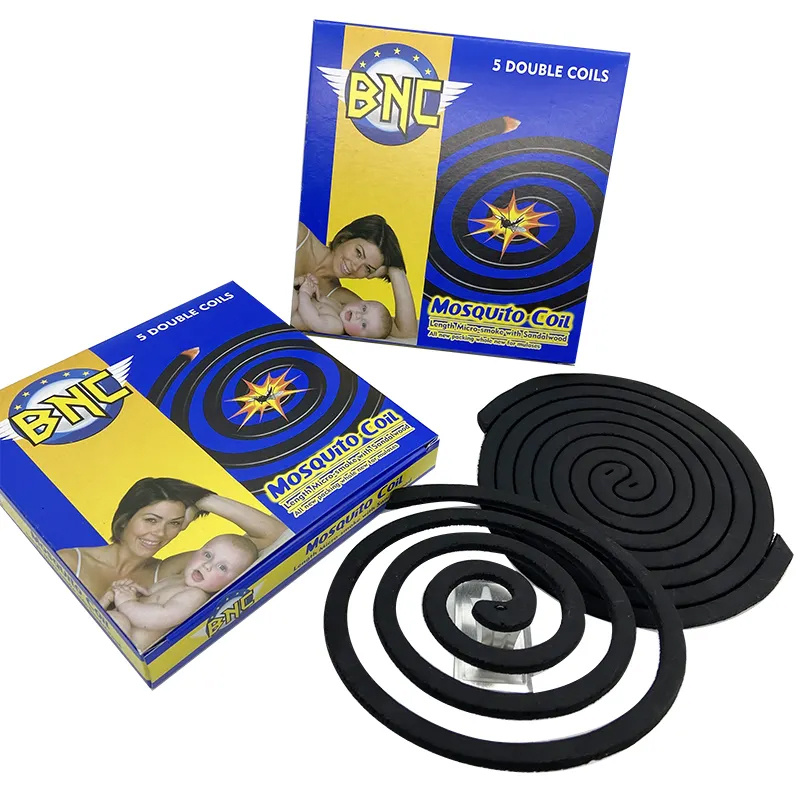
Many assume a mosquito repellent coil burns like a standard candle or campfire. In reality, manufacturers engineer these spirals for a highly specific "burn but do not blaze" reaction. The physical composition consists of a carefully dried paste. This paste blends pyrethrum powder, combustible binders like sawdust or coconut shells, and various fillers. These elements work together to sustain a continuous, flameless smolder. If the mixture catches real fire, it fails its primary purpose.
The magic happens through vaporization rather than combustion. Look closely at a lit coil. You will see a glowing cherry at the very tip. This burning ember creates intense heat. However, the actual insect-repelling action occurs just behind that glowing tip. The heat from the ember warms the adjacent material. This warming process vaporizes the active insecticidal ingredients into the surrounding air. They release before the extreme heat of the ember can destroy their chemical structure.
Once airborne, these vaporized chemicals cause severe neurological disruption in insects. The compounds target the voltage-gated sodium channels within a mosquito's nervous system. As mosquitoes fly into the vapor barrier, they experience sensory overload. This interference prevents them from accurately sensing carbon dioxide and human scents. It ultimately forces them to flee the area. If they remain in the vapor zone, they lose mobility entirely. This biological mechanism proves far more effective than simple physical barriers.
A pervasive myth suggests thick smoke is the primary deterrent against backyard pests. Many people believe a smokier fire equals fewer bug bites. We must address this misconception directly. Smoke does provide a very minor masking effect. It can temporarily obscure the carbon dioxide and lactic acid we naturally exhale. However, physical smoke alone is entirely insufficient to protect an outdoor seating area.
The true heavy lifters are the active chemical agents suspended within the vapor. Traditional products rely on Pyrethrins, which manufacturers derive directly from natural chrysanthemum flowers. Modern alternatives often use synthetic Pyrethroids like Allethrin. These synthetic molecules mimic the natural floral extracts but offer better stability in outdoor environments. They create an invisible chemical shield. The smoke merely acts as a visible carrier, showing you where the wind is taking the active ingredients.
Understanding this chemical reality explains the recent rise of the smokeless mosquito coil. Manufacturers now produce variants emitting almost zero visible smoke. We must evaluate the trade-offs between these two options. Smokeless coils drastically reduce your exposure to particulate inhalation risks. However, they lack the visual cue of smoke, making it harder to see your actual coverage area.
Consider the following comparison to help guide your decision:
| Feature | Traditional Smoke Coil | Smokeless Mosquito Coil |
|---|---|---|
| Active Ingredient | Pyrethrins / Pyrethroids | Pyrethrins / Pyrethroids |
| Particulate Emission | High (Generates PM2.5) | Very Low |
| Visual Coverage Cue | Excellent (Smoke drift) | Poor (Invisible vapor) |
| Best Use Scenario | Open, highly ventilated yards | Semi-enclosed patios, sensitive users |
We highly recommend smokeless options for households dealing with respiratory sensitivities. They also excel on semi-enclosed patios where traditional smoke might accumulate too heavily. You still get the neurological disruption against insects without the coughing fits.
Even the highest quality outdoor mosquito coil has clear operational limits. The primary failure point is always the wind factor. These devices rely entirely on establishing a stable, unbroken spatial vapor barrier. Gentle air circulation helps spread the vapor. However, breezes exceeding 5 mph will scatter the active ingredients too thinly. If you see tree leaves rustling continuously, the wind has likely rendered your setup largely ineffective.
Understanding coverage area and scalability is crucial for proper deployment. A single unit does not protect an entire yard. Realistically, one burning spiral establishes a protection zone of about a 10-foot radius. You must scale your setup based on the square footage of your gathering space.
Below is a quick deployment chart to help calculate your requirements:
| Space Type | Approximate Size | Coils Required |
|---|---|---|
| Small Balcony | Up to 100 sq ft | 1 Unit |
| Patio Dining Area | 150 - 250 sq ft | 2 Units |
| Standard Backyard Deck | 400 sq ft | 3-4 Units |
| Large Event Tent (Open Sides) | 600+ sq ft | 5+ Units (Perimeter Setup) |
Time-to-efficacy represents another major hurdle for impatient users. You cannot light a spiral and expect immediate relief. The device needs time to warm up and saturate the local air. Implementation reality dictates you must let them burn for 10 to 15 minutes prior to entering the space. Always establish your protective perimeter before guests arrive and sit down.
We must objectively address the health data regarding these common yard products. Traditional smoldering coils inevitably release fine particulate matter, commonly known as PM2.5. Extended inhalation of dense PM2.5 can irritate the lungs and throat. You must strictly avoid indoor use. Never burn them inside unventilated camping tents, garages, or enclosed porches. Always prioritize maximum airflow to disperse the particulate matter safely.
Proximity to food and people requires careful management. You want the vapor close enough to protect you, but far enough away to avoid direct inhalation. Establish strict guidelines for safe distancing. Keep all burning units at least 3 to 4 feet away from dining tables. Ensure they sit well below the standard human breathing zone. Placing them near ground level allows the vapor to rise naturally around your legs and seating area.
Pet and wildlife toxicity demands your immediate attention. Pyrethroids are notoriously toxic to specific animals. Felines lack the specific liver enzymes required to process these chemical compounds. Exposing cats to heavy pyrethroid vapor can cause severe neurological tremors. Similarly, these chemicals are highly lethal to aquatic life. Never place a burning unit directly next to a koi pond, fish tank, or natural stream. If pets share your outdoor space regularly, evaluate placement risks carefully. Keep animals from sleeping directly downwind of the vapor source.
Throwing a single spiral onto a patio table rarely yields good results. You need a strategic perimeter placement plan. The most effective approach is the "bracketing" method. This involves placing your units upwind of your seating area. Check the breeze direction. Place the units so the natural airflow carries the protective vapor directly across your gathering space.
Upgrading your hardware makes a massive difference in performance and safety. Most cheap packaging includes flimsy, stamped metal stands. These stands fall over easily, dump hot ash, and expose the cherry to wind. We strongly advocate investing in a dedicated, enclosed mosquito coil burner.
Here are the practical benefits of upgrading your hardware:
Fire Hazard Prevention: An enclosed terra cotta or cast iron burner contains the hot ember safely, preventing accidental ignitions of dry grass.
Ash Containment: A proper burner collects all the messy residue, keeping your patio tables and decks completely clean.
Weather Protection: Covered burners shield the smoldering tip from light rain and aggressive wind gusts, preventing frustrating extinguishing.
Optimized Airflow: High-quality burners feature calibrated venting holes. These holes ensure the exact amount of oxygen reaches the cherry for a steady, predictable burn rate.
You should view the insect repellent coil as just one part of a layered defense strategy. No single product offers absolute invincibility. For high-density pest environments, combine spatial repellents with personal protection. Use coils to clear the general air space. Then, apply topical repellents containing Picaridin or DEET directly to your exposed skin. This dual-layered approach catches any stragglers fighting through the vapor barrier.
A common mistake is placing the burner too high up. Mosquitoes generally fly low to the ground and target human ankles first. Always position your burners near ground level. Let the heat carry the active ingredients upward, enveloping your lower body where you are most vulnerable.
An outdoor mosquito coil remains a highly economical, proven spatial repellent. When users control for wind and utilize safe placement strategies, these devices drastically reduce bug activity. You now understand that the invisible chemical vapor does the heavy lifting, not the choking smoke.
Use the following shortlisting logic to finalize your outdoor strategy:
Choose Coils if: You need stationary, multi-hour protection for a low-wind backyard gathering, patio dinner, or a fixed campsite base.
Choose Alternatives (Topicals or Traps) if: You are actively hiking, dealing with winds over 5 mph, or have severe respiratory sensitivities in your household.
Your next step is simple. Walk outside and audit your primary outdoor space. Identify your prevailing wind patterns. Calculate your square footage to determine how many units you need. Finally, select a high-quality burner combination to keep your summer evenings peaceful, safe, and bite-free.
A: At typical outdoor concentrations, they primarily act as spatial repellents. The vapor confuses their sensory organs, forcing them to fly away. They only achieve "knockdown" or lethal results if the mosquito remains trapped in a heavily saturated, enclosed environment, which we do not recommend for safety reasons.
A: A standard-sized unit typically burns for 5 to 8 hours. The exact duration depends heavily on the thickness of the paste and environmental conditions. High winds feed more oxygen to the ember, causing it to burn much faster than it would on a calm evening.
A: Yes, this is a very common and effective workaround for short outdoor sessions. Snap off a segment matching your time needs (e.g., a two-inch piece for an hour). Wedge the broken end into the metal slot of your burner stand and light the tip normally.
A: Frequent extinguishing usually stems from moisture absorption. If you store them in a humid garage, the binders become damp and fail to smolder. Poor-quality binders or a lack of sufficient airflow inside a completely closed burner can also choke out the hot cherry.