
Investing in a professional pest control treatment brings immediate peace of mind. However, it also raises a very practical and pressing concern. You need to know exactly how long the active barrier will last before requiring a re-treatment. Nobody wants to invest in a costly service only to watch pests return a few weeks later. The longevity of professional-grade insecticidal dusts varies significantly from home to home. It depends heavily on ambient environmental conditions and strategic placement. It also relies on the specific chemical half-life of the chosen product. Our goal here is clear and actionable. This article provides an evidence-based timeline for residual efficacy. We will explore the hidden variables causing rapid treatment degradation. Furthermore, we will outline vital post-application maintenance practices. Following these structured guidelines will ensure maximum effectiveness and keep your home entirely pest-free.
Baseline Longevity: In ideal, undisturbed conditions (like wall voids), insecticide powder can remain active for several months to over a year. In exposed areas, expect a functional residual life of 21 to 60 days.
The "Flush-Out" Reality: Seeing an increase in pest activity during the first 2 to 4 weeks is a normal biological response, not a sign of product failure.
Environmental Threats: Moisture, high humidity, and direct UV sunlight are the primary catalysts for rapid powder degradation.
Interference Risks: Applying DIY aerosol sprays over professionally applied powder destroys its efficacy and disrupts nest-transfer mechanics.
Safety Assurance: When applied correctly in targeted crevices, these treatments present minimal risk. Pesticide exposure accounts for only a very small fraction of household pet emergencies.
Many homeowners confuse contact killers with residual treatments. Store-bought aerosol sprays act as contact formulations. They kill pests instantly on the surface. However, they evaporate quickly and offer no lasting protection. Professional residual treatments operate quite differently. Technicians design them for long-term nest transfer. Foraging insects walk across the treated zones. They pick up the microscopic particles on their legs and bodies. The pests then carry this Insecticide Powder deep into their hidden colonies. This mechanism ensures total population collapse. It takes more time, but it provides true eradication rather than a temporary fix.
We measure treatment longevity using a scientific concept called the environmental half-life. This term defines the time required for a chemical compound to degrade to 50% of its original efficacy. Experiencing one half-life leaves 50% of the active ingredient. Two half-lives leave 25%. Persistent formulations maintain lethal thresholds effectively. You can expect standard indoor applications to remain highly toxic to pests for 21 to 60 days. Proper placement extends this baseline significantly. Undisturbed environments protect the chemical bonds from rapid decay.
You must distinguish between stored shelf life and active applied life. Unapplied product generally remains highly stable for up to two full years. This assumes you store it in a climate-controlled environment. Ideal storage temperatures range between 40°F and 85°F. You must monitor the physical condition of the product. Clumping usually indicates a severe formulation breakdown. Failure to dispense evenly through a duster also signals degradation. Fresh powder should flow smoothly like fine talcum powder.
| Feature | Contact Kill Formulations | Residual Powder Formulations |
|---|---|---|
| Primary Mechanism | Instant surface toxicity | Delayed nest transfer |
| Expected Lifespan | Minutes to hours | 21 to 60+ days |
| Application Goal | Eliminate visible pests | Eradicate hidden colonies |
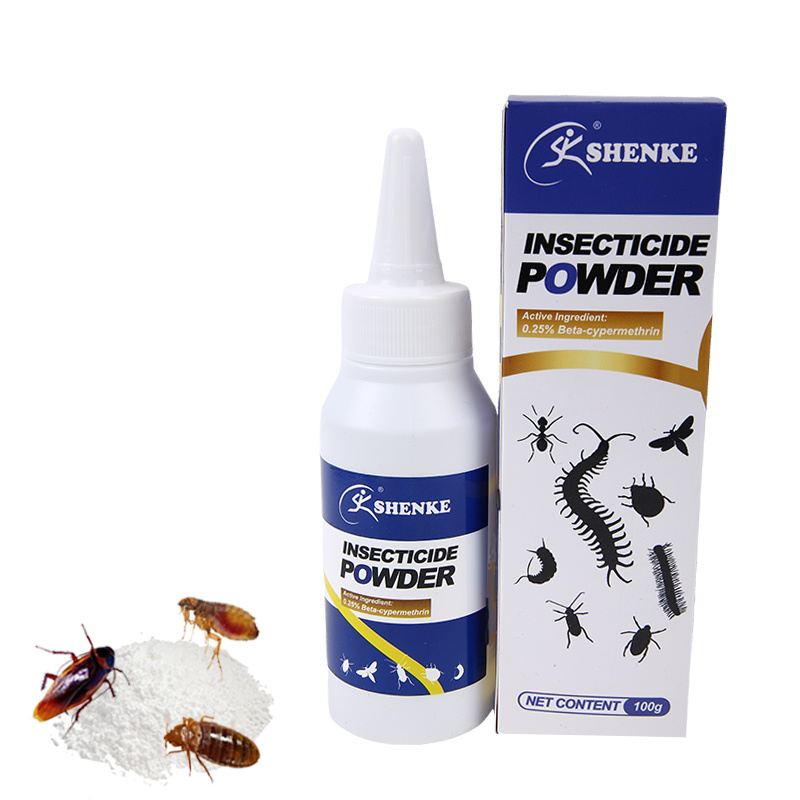
A professional application does not guarantee permanent results. Several environmental factors constantly attack the chemical structure. Understanding these threats helps you protect your home.
Moisture and Humidity: Chemical dusts must remain completely dry. They rely on electrostatic charges to adhere to pest exoskeletons. High ambient humidity neutralizes this critical charge. Direct contact with water causes immediate caking. Once caked, the dust becomes functionally useless. Pests simply walk over the hardened material without absorbing the active ingredients. You must fix leaking pipes before applying treatments.
Photodegradation (Light Exposure): Direct sunlight acts as a powerful destructive force. Ultraviolet (UV) rays bombard the treated surfaces daily. This light energy physically breaks the chemical bonds of active ingredients. Photodegradation significantly shortens the lifespan of exposed powders. A treatment placed on a sunny windowsill might lose efficacy in days. Professionals avoid applying dusts in brightly lit areas for this reason.
Airflow and Physical Displacement: Physical movement ruins strategic applications quickly. Heavy drafts blow the product away from target zones. Proximity to strong HVAC vents scatters the dust across the room. High foot traffic kicks the powder out of protected harborages. The product ends up in open spaces. This reduces pest contact and wastes the chemical barrier entirely.
We recommend maintaining an indoor humidity level below 50%. You should seal exterior windows to block unnecessary drafts. Keep treatments restricted to dark, undisturbed areas. Following these simple steps will double the effective life of your application.
The type of surface dictates how long the product survives. We must carefully evaluate all application zones before beginning. Porous materials hold powder structures exceptionally well. Raw wood framing traps the dust inside tiny grain crevices. Concrete foundation walls grip the particles securely. These surfaces protect the treatment from physical removal.
Non-porous surfaces present a completely different challenge. Finished baseboards offer very little friction. Glazed bathroom tiles cause poor product adhesion. These slick surfaces leave the product highly vulnerable. A simple breeze or accidental wipe-down removes the treatment entirely. Pests also have an easier time avoiding loose piles on smooth floors.
Strategic placement maximizes both safety and longevity. You want to target areas where environmental variables remain entirely static. Consider these optimal injection points:
Deep Wall Voids: Injecting dust directly behind drywall provides perfect protection from light and drafts.
Electrical Faceplates: Removing outlet covers allows access to critical transit routes used by ants and roaches.
Under Heavy Appliances: The spaces beneath refrigerators and stoves remain dark, dry, and largely undisturbed.
Plumbing Penetrations: Gaps where pipes enter walls serve as major pest highways and hold dust well.
Focusing on these zones ensures the Insecticide Powder remains highly active for many months. It keeps the product away from daily cleaning routines.
Homeowners often experience a sudden panic after a treatment. You might suddenly see more bugs crawling around your kitchen. Do not assume the product failed. This is a highly expected biological response. Active ingredients severely disrupt established nesting sites. The chemicals agitate the insects neurologically. This forces hidden pests out into open areas. We call this the flush-out effect. It proves the chemical is actively destroying the colony.
Different biological systems react at different speeds. You cannot expect overnight eradication for deep-rooted infestations. We have established realistic, evidence-based timelines for total population collapse. Use the chart below to manage your post-treatment expectations.
| Pest Category | Expected Eradication Timeline | Behavioral Context |
|---|---|---|
| Cockroaches & Large Spiders | Up to 6 weeks | Pests must emerge from deep harborages to contact the treated zones. |
| Ant Populations | 4 to 6 weeks | Workers require time to carry the lethal dust back to the queens. |
| Rodents (Tracking Powders) | 2 to 4 weeks | Rodents groom the powder off their fur after running through it. |
When should you actually request a professional re-evaluation? We recommend establishing strict callback criteria. You must practice patience during the flush-out window. Wait for a strict 14-day period to pass. Are you still seeing more than 1 to 2 active pests daily after this waiting period? If yes, you should contact your provider. A targeted cleanout might be necessary. Premature calls often lead to unnecessary chemical reapplications.
Your daily chores can easily destroy a professional application. We provide clear guidelines on what you must avoid. Do not wet-mop near treated baseboards. Avoid vacuuming deep crevices for the first 2 to 3 weeks. These actions physically remove the protective chemical barrier. You can wipe down countertops safely. You can sweep the center of your rooms. Just leave the edges and dark corners completely alone. Give the product sufficient time to transfer to the pests.
Many people panic when they spot a surviving bug. They grab a store-bought aerosol spray and attack it. This is a massive mistake. Applying repellent-based sprays over professional Insecticide Powder completely counteracts the treatment. The harsh aerosols create a repellent zone. Pests will simply avoid the treated area entirely. They will detour around the invisible barrier. This stops them from carrying the powder back to their hidden nest. You effectively protect the colony by using DIY sprays.
Safety remains a top priority for families. Modern formulations present very minimal risks when applied correctly. We rely on objective data to reassure homeowners. ASPCA poison control statistics note a very clear reality. Insecticides account for only about 3.5% of household pet toxicities. This ranks far below the risks posed by human foods and over-the-counter medications. Professional application isolates the product. Airborne dust settles very rapidly after injection. Once it settles deeply into structural voids, your environment is entirely safe. Normal habitation can resume without fear.
The long-term effectiveness of any pest treatment is a shared responsibility. It requires a combination of chemical longevity and strategic professional placement. It also demands proper post-treatment home maintenance. You must resist the urge to clean treated baseboards immediately. Protect the application zones from moisture, sunlight, and drafts.
Patience during the critical 2-to-4-week flush-out period is absolutely essential. Seeing a few erratic bugs means the treatment is working. Do not declare the application ineffective prematurely. Give the nest-transfer mechanics time to destroy the hidden colonies.
Your next steps are straightforward. Monitor indoor pest activity levels closely for three full weeks. Maintain strict sanitation by eliminating all open food and water sources. Contact your pest control provider for a targeted cleanout only if daily pest sightings remain unusually high after the residual window closes.
A: Yes, moisture causes the product to clump together immediately. This neutralizes the critical transfer mechanism. Pests can no longer pick the dust up on their legs. It must be reapplied entirely if soaked.
A: Avoid wet-mopping room edges, baseboards, and treated crevices for at least 2 to 3 weeks. You can safely clean the center of the floor, but leave the perimeter undisturbed.
A: This is the flush-out effect. The active chemicals agitate the insects and disrupt their nests. It forces pests out of their deep, hidden harborages and into the open.
A: Yes, professional application isolates the powder deep inside wall voids and narrow cracks. These areas remain completely inaccessible to pets. Any airborne dust settles rapidly before you re-enter.
A: No, using aerosol sprays degrades the professionally applied powder. It creates a harsh repellent zone that deters pests. This completely disrupts the necessary colony eradication process.