
Protecting our families from mosquito bites often feels like an endless battle during warmer months. Vector-borne illnesses like Zika or West Nile virus pose serious health risks globally. We must balance the essential need for disease prevention against the inherent health risks of chemical exposure. While the market remains saturated, consumers often struggle to separate legitimate protection from misleading marketing claims. Properly evaluating a Mosquito Repellent Spray requires looking closely beyond the label. You must verify EPA registration, check active ingredient concentrations, and confirm age-appropriate safety profiles. This article provides an evidence-based, medically aligned framework for selecting and applying these products. We explore age-specific guidelines and risk mitigation strategies to ensure maximum safety. You will learn exactly how to manage insect repellents confidently for both individual and family use.
Verify EPA Registration: Only use products with EPA-registered active ingredients (DEET, Picaridin, IR3535, OLE) to guarantee tested efficacy and safety.
Follow the "Hands-First" Rule: Never spray directly onto the face; spray onto hands first, then rub onto facial skin, avoiding eyes and mouth.
Age Dictates Chemistry: Children under 2 months should not use chemical repellents; Oil of Lemon Eucalyptus (OLE) is strictly prohibited for children under 3 years.
Separate Sunscreen and Repellent: Avoid combination products. Sunscreen requires frequent reapplication, which leads to toxic overexposure if combined with a repellent.
How do we choose the right protective formula? You need a clear decision framework based on protection duration, skin sensitivity, and material compatibility. Finding the right body mosquito repellent means looking at the science behind the label. Let us break down the most proven active ingredients below.
| Exposure Scenario | Recommended Ingredient | Optimal Concentration | Primary Advantage |
|---|---|---|---|
| Deep woods / High tick and mosquito density | DEET | 20% - 30% | Maximum longevity and proven efficacy |
| General outdoor recreation / Synthetic clothing use | Picaridin | 20% | Non-damaging to plastics; lightweight feel |
| Short backyard gatherings / Moderate exposure | IR3535 or OLE | 10% - 20% | Biopesticide profile; less greasy texture |
DEET remains the gold standard for efficacy across the globe. It offers a long track record of safety when used correctly according to instructions. Varying concentrations dictate your overall protection time. Formulas typically range between 10% and 30%. A 30% formula can shield you effectively for up to eight hours. However, DEET carries specific drawbacks you must consider. It leaves a distinct greasy feel on human skin. It also acts as a potent plasticizer. DEET will easily melt synthetic fabrics, expensive sunglasses, and plastic watch bands. You must apply it very carefully around valuable outdoor gear.
Picaridin serves as an excellent modern alternative for consumers. It delivers comparable efficacy to DEET when formulated at a 20% concentration. Many users prefer it because it feels exceptionally light on the skin. It remains virtually odorless and completely non-greasy. Picaridin is entirely safe to use on plastics and synthetic gear. It does have a shorter historical track record than DEET. However, the CDC fully recognizes it as a safe and highly effective option.
The CDC approves both OLE and IR3535 as reliable protective options. They appeal to users seeking synthetic or biopesticide alternatives to traditional DEET. They work remarkably well for moderate exposure scenarios. However, OLE comes with strict age restrictions. You cannot use OLE on young children under three years old. Both of these options generally require more frequent reapplication throughout the day to maintain a solid defensive barrier.
Skeptical Note: You should quickly dismiss unregistered "natural" essential oil blends. Products relying solely on citronella or peppermint often fail completely in high-risk areas. They lack verified protection times during extended outdoor exposure. They also suffer from extremely high evaporation rates. They leave users highly vulnerable to bites shortly after the initial application.
Establishing an operational baseline ensures safer usage for everyone. Standardized application steps help maximize skin coverage. They simultaneously minimize dangerous inhalation and dermal absorption risks. Applying an insect repellent spray incorrectly can easily lead to skin irritation or respiratory distress. We must handle these products with intentional care.
Let us review the step-by-step application execution. You should follow these practical guidelines every time you head outdoors.
Apply the product only to exposed skin and the outside of your clothing.
Never apply chemical formulas underneath your clothing. Covering treated skin significantly increases systemic absorption risks.
Use a sweeping motion for even, consistent coverage across all exposed areas.
Do not saturate the skin. A light, uniform layer works just as well as a heavy dousing.
Never point a spray nozzle directly at your face. Instead, spray the anti mosquito spray directly into your palms. Rub your hands together gently to distribute the liquid. Apply the formula sparingly to your face. Avoid your eyes and mouth entirely during this process. Apply a very thin layer around the outside of your ears. Wash your hands immediately after treating your face.
Hygiene remains critical after concluding your outdoor activities. Wash all treated skin thoroughly once inside. Use mild soap and warm water immediately upon returning indoors. This crucial step prevents prolonged chemical exposure to your dermal layers. It also stops accidental chemical transfer to household furniture, pets, and bedding.
Protecting children requires a much more careful evaluation. We must modify our approach strictly based on American Academy of Pediatrics (AAP) and CDC guidelines. Children absorb chemicals differently than healthy adults do. Their skin presents a larger surface area relative to their total body weight.
Action: Zero chemical application is permitted.
Alternative: Rely entirely on physical barriers. Drape fitted mosquito netting over infant carriers and strollers. Keep babies indoors during peak mosquito hours whenever possible.
Action: Cap DEET concentration at a strict 30% maximum. Avoid OLE entirely, as it carries unknown risks for this specific age group.
Application Rule: Adults must take full charge of the process. Apply the repellent to your own hands first. Then, gently rub it onto the child's exposed skin. Never apply chemicals directly to a child's hands. Children frequently put their hands in their mouths or accidentally rub their eyes.
Treat all repellents as hazardous household chemicals. Store them strictly out of reach of curious children. Keep bottles in high, locked cabinets rather than accessible bathroom drawers. Ensure the caps are tightly secured after every single use.
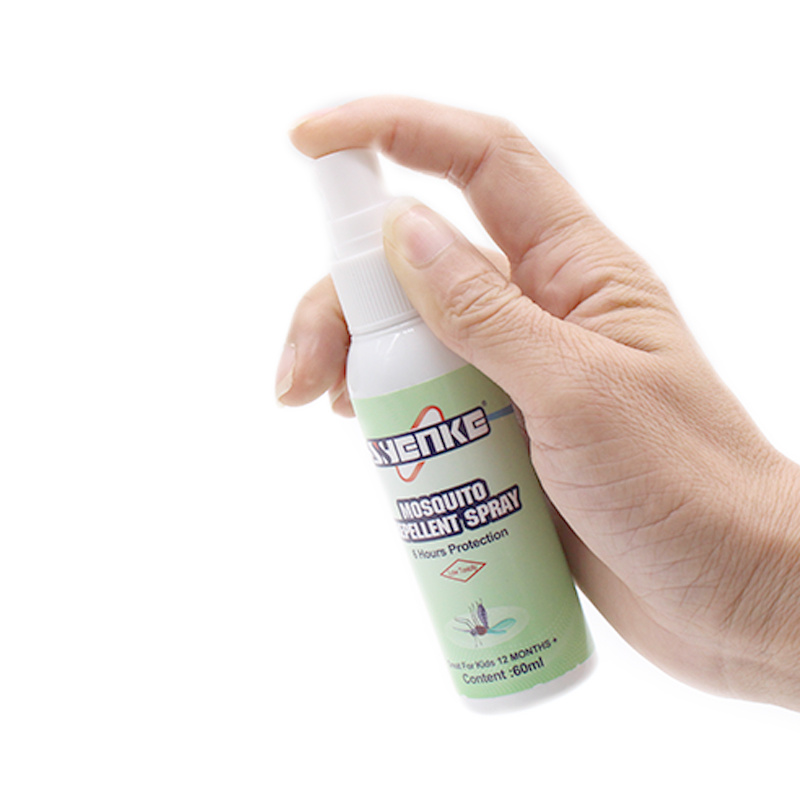
We must address implementation risks using established poison control data. Handling misuse scenarios properly prevents serious medical issues down the line. Common application errors often lead to localized toxicity or severe skin reactions.
Many users wonder how to handle sun protection simultaneously. You must always apply sunscreen first. Wait roughly fifteen minutes for it to fully absorb into your skin. Apply your chemical repellent second. We must highlight the inherent toxicity risk of "2-in-1" SPF and repellent sprays. Sunscreen requires frequent reapplication every two hours to remain effective. Doing so with a 2-in-1 product causes a massive repellent overdose. Separate the two products completely to maintain a safe chemical balance.
Never apply repellent over compromised skin barriers. Avoid cuts, open wounds, severe sunburns, or irritated eczema patches. Chemicals will penetrate deep tissue very quickly through these openings. This causes intense burning sensations and elevates systemic toxicity risks.
Avoid spraying any formulas in enclosed spaces. Tents, cars, and small bathrooms quickly trap dangerous chemical fumes. Always apply an outdoor mosquito spray in well-ventilated exterior environments. Stand far away from open food preparation areas when spraying. Ensure the wind carries the mist away from your face.
If a severe allergic reaction occurs, act quickly. Wash the affected area immediately. Use plenty of cold water and mild soap to strip the chemicals. Contact local Poison Control immediately if symptoms quickly escalate. Always bring the specific product bottle to the clinic. Doctors need the exact EPA registration number to guide their medical treatment.
Scalability matters immensely in vector control. Topical repellents represent only one minor part of a comprehensive strategy. You cannot rely on skin protection alone during heavy insect infestations. Let us clarify the critical distinction between different defensive layers.
A topical product protects your skin directly through a physical coating. A household mosquito spray manages your outer perimeter and yard. Spatial repellents target the surrounding outdoor environment to keep pests away from your immediate living spaces. Using both methods together creates a highly robust defensive perimeter around your family.
Emphasize source reduction first before reaching for sprays. Eliminate standing water completely around your property. Empty birdbaths, old tires, and clogged gutters regularly. Maintain structural barriers like intact window screens and sealed doors. These physical interventions form the true foundation of household defense. They drastically reduce the daily chemical burden required by sprays. Layering these physical methods ensures long-term, sustainable protection.
| Feature | DEET | Picaridin | OLE |
|---|---|---|---|
| Skin Feel | Oily / Greasy | Light / Clean | Strong Scent / Cool |
| Fabric Damage | High risk to synthetics | Safe for all fabrics | Safe for most fabrics |
| Age Limit | 2 months+ | 2 months+ | 3 years+ |
| Odor Profile | Strong chemical scent | Odorless or faint | Strong eucalyptus scent |
Effective mosquito protection requires treating repellent as a controlled, active chemical intervention. Do not treat it as a casual cosmetic spray. Follow evidence-based guidelines to keep your family safe while enjoying the outdoors.
Audit your current household inventory for valid EPA registration numbers immediately.
Discard expired bottles or dangerous 2-in-1 sunscreen combinations to prevent accidental overdosing.
Establish a designated, well-ventilated "spray zone" near your home's main exterior exit.
Review pediatric safety rules carefully before planning your next outdoor family trip.
A: Yes, but verify the ingredient. Picaridin is safe for all fabrics. DEET will damage spandex, rayon, and other synthetics. Treat clothing with Permethrin for better fabric-based protection.
A: No. Repellents do not kill mosquitoes; they block their CO2 and lactic acid receptors. A higher percentage only dictates how long the protection lasts, not how well it works. Efficacy plateaus after 30-50%.
A: No. You should wash off all chemical repellents with soap and water before sleeping. This prevents prolonged dermal absorption and accidental transfer to your bedding or eyes.
A: Flush your eyes immediately with clean water for 15-20 minutes. Call Poison Control if irritation persists. Do not use over-the-counter eye drops unless directed by a medical professional.