
As warmer weather rolls around, the rise in mosquito activity can lead to sleepless nights and discomfort. Whether you're camping, hosting a summer barbecue, or simply enjoying a warm evening on the patio, mosquitoes seem to find their way into every outdoor setting. One of the most popular solutions for keeping these pesky insects at bay is the electric mosquito mat. But, are these devices truly safe? This article delves into the safety, effectiveness, and benefits of electric mosquito mats.
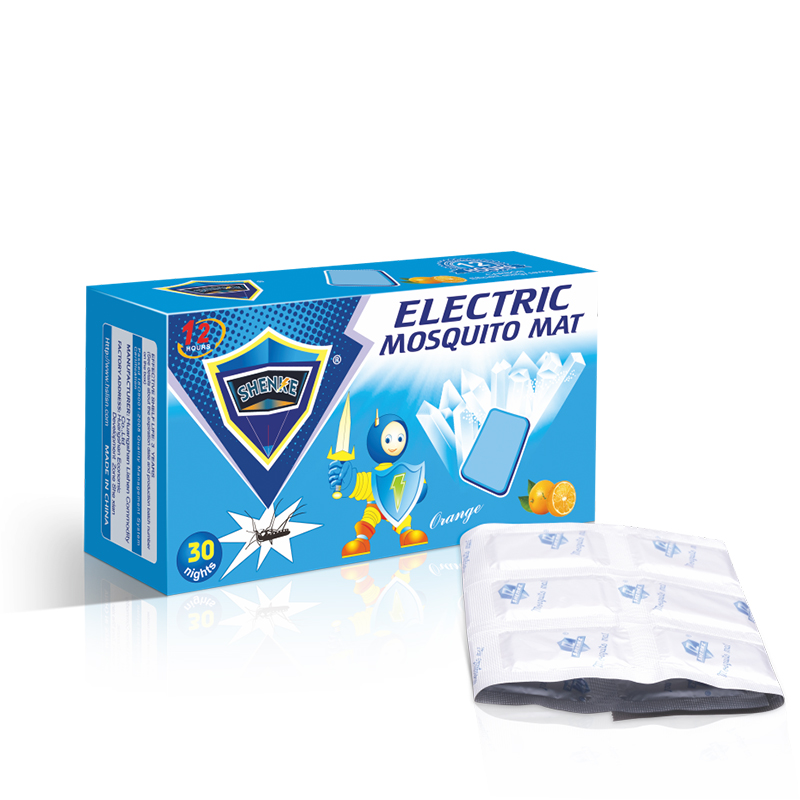
An electric mosquito mat is a device that utilizes heat to release insect-repelling substances, such as allethrin, a synthetic version of pyrethrin, which is derived from chrysanthemum flowers. The mat is typically placed in a heating device, which warms it up and causes the insect-repellent chemicals to vaporize. The result is an insect-free zone around the device, allowing for a peaceful, mosquito-free environment.
Electric mosquito mats come in a variety of forms, ranging from indoor units that plug into a wall outlet to outdoor versions that operate using a portable device. Each type is designed for specific applications, with varying levels of effectiveness and safety protocols.
Electric mosquito mats are generally regarded as safe when used as directed. However, like any electrical or chemical product, it is essential to understand the potential risks and precautions. Here’s a breakdown of the safety features:
Temperature Control: The electric mosquito mat functions through heat, which is essential for the repelling process. The heating device ensures the mat reaches an optimal temperature to release the insect-repellent vapors efficiently. Most units are equipped with automatic shut-off features to prevent overheating.
Low Toxicity: The chemicals used in electric mosquito mats, such as metofluthrin, are usually low in toxicity to humans and pets when used according to the manufacturer's instructions. Some mats, like pet-friendly indoor versions, are designed with even lower toxicity, making them safe for household pets such as cats and dogs.
Certifications: Reputable manufacturers ensure that their products are rigorously tested for safety and quality. Many products hold certifications such as CE, MSDS, and SGS, which guarantee that the ingredients and materials meet international safety standards. These certifications provide peace of mind to consumers who are concerned about chemical exposure.
Pet and Child Safety: Some electric mosquito mats come with child-proof and pet-resistant casings to reduce any risk of accidental exposure. The mats’ designs also take into account pet safety, particularly when the mats are used in households with animals. These units often feature non-toxic formulas and odorless vapor releases, which ensures they don’t harm pets with sensitive noses.
Ease of Use: These mats are simple to use—place the mat in the heating device, plug it in, and turn it on. The electric mats provide continuous mosquito protection for up to 8-10 hours, depending on the model. Most products come with a timer reminder feature that alerts users when it’s time to replace the mat, ensuring consistent protection without the need for constant monitoring.
Electric mosquito mats have proven effective in repelling mosquitoes, but the degree of effectiveness depends on several factors:
Duration: Electric mosquito mats typically last for about 8-10 hours per mat. This makes them ideal for use during the night when mosquitoes are most active. For extended protection, multiple mats or refills may be required.
Area of Coverage: The effectiveness of the mat can vary depending on the size of the room or outdoor space. Generally, electric mats are designed to cover a small to medium-sized area, such as a bedroom, living room, or a tent. Larger areas may require more than one mat or additional mosquito-repellent solutions.
Weather Conditions: External conditions such as humidity and wind can affect the performance of electric mosquito mats, particularly those used outdoors. While most outdoor mats are designed to resist light rain or wind, extreme weather conditions may limit their effectiveness.
Fragrance and Chemical Composition: The active ingredients in the mats—usually allethrin or metofluthrin—have insect-repelling properties that work effectively when released into the air. However, individuals who are sensitive to scents or chemicals may experience mild irritation or allergic reactions. It is important to follow usage instructions and ensure proper ventilation when using the mats.
Convenience: Electric mosquito mats are easy to use, offering hassle-free protection without the need for sprays or topical insect repellents. They are especially useful in settings where traditional methods are impractical, such as during camping trips or outdoor activities.
Long-Lasting Protection: Unlike sprays or lotions, which may need to be reapplied throughout the day, electric mats provide continuous protection for hours. This feature makes them particularly beneficial for use during extended outdoor events or overnight trips.
No Need for Chemicals on the Skin: Electric mosquito mats provide a chemical-free alternative to topical repellents, which can leave a sticky residue or cause skin irritation. By releasing the repellent into the air, the mats keep mosquitoes at bay without direct contact with the skin.
Silent Operation: Electric mosquito mats are quiet and do not produce a buzzing sound like some electronic insect zappers. This makes them ideal for use during sleep or while relaxing in a quiet environment.
While electric mosquito mats are generally safe, it is important to use them properly and be aware of any potential risks:
Overheating: If not used according to the manufacturer’s instructions, the device can overheat, leading to a potential fire hazard. It is essential to monitor the device and ensure it is turned off after the required period of use.
Inhalation of Vapors: Some individuals may experience mild irritation from inhaling the vapors released by the mat. It’s crucial to use the mats in well-ventilated areas to prevent any respiratory discomfort. Additionally, it is advisable not to use the mats in areas where food is being prepared or consumed.
Not Ideal for All Environments: While electric mosquito mats are designed for both indoor and outdoor use, they are best suited for smaller, contained areas. In large outdoor spaces or environments with strong winds, the mats may not be as effective in keeping mosquitoes at bay.
Safety Around Children and Pets: Although many electric mosquito mats come with pet-safe formulas and child-proof features, it’s still important to keep the device out of reach of children and pets. Ensure the device is used correctly and monitor its use to avoid accidents.
Electric mosquito mats are generally safe for children when used correctly. Many products are designed with child-proof features, and the ingredients used in the mats are non-toxic when used as directed. Always place the mat in a secure location where children cannot reach it.
Yes, many electric mosquito mats are pet-safe. However, ensure that the product you are using is specifically designed to be safe for pets. Follow the instructions carefully and keep the mat out of your pet’s reach to avoid accidental ingestion.
Electric mosquito mats typically last for 8-10 hours, depending on the specific product. This makes them ideal for overnight protection or during extended outdoor activities.
Electric mosquito mats are effective outdoors, but their performance can be affected by weather conditions such as wind and rain. For larger outdoor spaces, you may need to use multiple mats or complement them with other mosquito control methods.
Yes, electric mosquito mats are designed to provide continuous protection for up to 10 hours, making them ideal for use while sleeping. Just ensure the device is placed in a well-ventilated area, and the mat is used according to the instructions.
If your electric mosquito mat malfunctions, such as not heating up or releasing vapor, check the power source and ensure that the mat is properly inserted. If the issue persists, consult the product manual for troubleshooting steps or contact the manufacturer for assistance.