
Consumers evaluating indoor mosquito control face a tough trade-off every day. They must balance chemical efficacy against respiratory safety. Choosing the right product matters immensely. It becomes critical for households protecting infants, pets, or allergy sufferers. Many buyers rely on marketing claims without checking the label. We need to shift this mindset immediately. You will learn the exact chemical makeup of these formulations. We will explore the precise active ingredients powering an Electric Mosquito Repellent Liquid. You will uncover how solvents interact with heating devices. We will also outline safety thresholds and practical usage guidelines. This technical understanding empowers you. You can confidently evaluate product labels. You can avoid harmful overexposure. Ultimately, you will choose the correct formulation for your specific indoor environment.
Standard Formulation: The vast majority of commercial electric repellents rely on synthetic Pyrethroids (such as Prallethrin or Transfluthrin) at low concentrations (typically 0.05% to 0.85%).
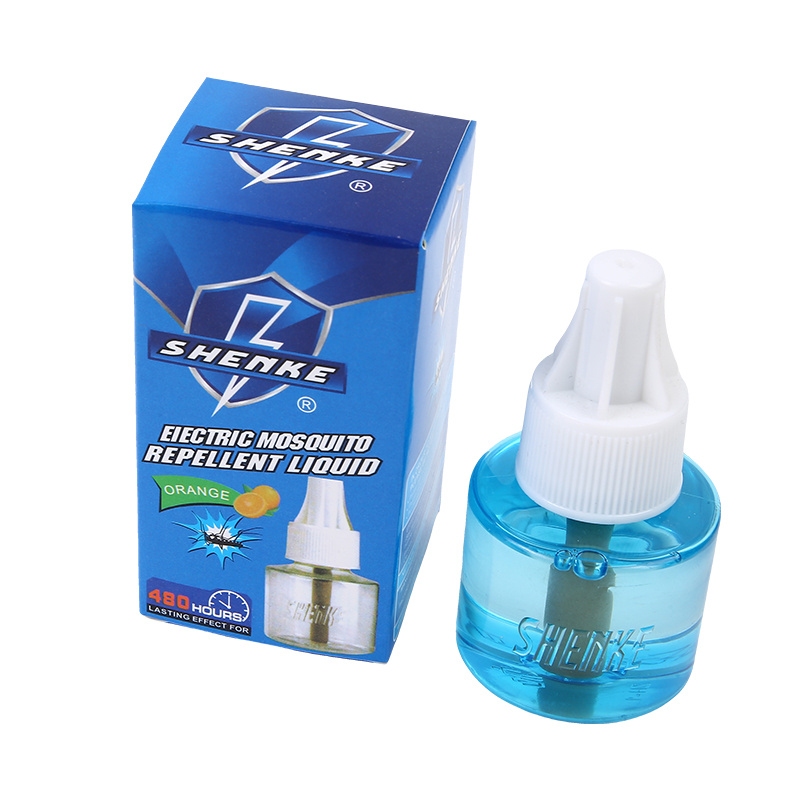
The Delivery Mechanism: Active ingredients are useless without the correct solvent matrix (esters, alkanes, or alcohols) and a standardized capillary wick to ensure steady, heat-activated vaporization.
Safety Caveat: While recognized as safe for human use by global environmental agencies, toxicological data confirms that prolonged, unventilated inhalation of higher concentrations (e.g., 1.6%) can cause oxidative stress.
Botanical Trade-offs: Natural alternatives (like Oil of Lemon Eucalyptus or Citronella) offer lower neurotoxicity risks but generally provide shorter effective vaporization windows and may still trigger respiratory sensitivity.
Buyers often assume the liquid inside the bottle is pure insecticide. This represents a major misconception in consumer purchasing. In reality, it acts as a highly engineered chemical matrix. Chemists design this liquid for sustained, controlled release. A standard formulation relies on three essential components working in perfect synergy. If one element fails, the entire mosquito control system collapses.
| Component | Volume Percentage | Primary Function in Formulation |
|---|---|---|
| Active Insecticide/Repellent | 0.05% - 1.0% | Acts as the core neuro-disruptor targeting the mosquito's nervous system. |
| Solvent Carrier | 60% - 90% | Dictates how evenly the liquid vaporizes; usually highly refined esters or alkanes. |
| Additives & Stabilizers | 0% - 0.3% | Prevents heat degradation (e.g., BHT) and provides optional masking fragrances. |
You must understand the hardware dependency involved here. The formulation cannot function alone. It strictly pairs with the device's heating element. It also relies heavily on an inorganic capillary wick. Factories construct these wicks from compressed clay, talcum, or wood powder. Capillary action draws the liquid upward at a precise rate.
The active ingredient only works if the solvent's boiling point matches the heater's fixed temperature. If the heater runs too cold, the liquid will not vaporize into the air. If it runs too hot, the active ingredient breaks down entirely. This delicate thermal balance ensures steady protection over 30 to 45 nights. You should never mix different brands of liquids and heaters. Their thermal profiles rarely align perfectly.
Solution categories vary wildly in the pest control market. Unlike topical repellents using DEET or Picaridin, electric vaporizers require highly volatile compounds. They need chemicals capable of floating continuously through the indoor air. The primary chemical class driving this industry is Pyrethroids. Laboratories synthesize these compounds derived from naturally occurring chrysanthemum toxins. They offer excellent stability and fast action.
We see two dominant options in the current market:
Prallethrin: This remains the most common active ingredient globally. You will find it across B2B and retail markets everywhere. It proves highly effective at very low concentrations. Standard commercial viability sits around 0.85% for a typical 45-night refill. It offers a reliable balance of cost and knockdown power.
Transfluthrin & Metofluthrin: Industry experts consider these next-generation pyrethroids. They boast significantly higher molecular volatility. This makes them highly effective even in lower-heat ambient devices. They spread faster across larger rooms.
People mistakenly believe these vapors instantly kill mosquitoes on contact. They actually do not function this way. Instead, they operate through a progressive mechanism of action. First, the vapor creates spatial repellency. It acts as an invisible barrier mosquitoes avoid. Second, it stops mosquitoes from biting through feeding inhibition. The chemical confuses their sensory organs. Finally, over several minutes of exposure, the mosquito experiences a complete nervous system knockdown.
Consumer demand for chemical-free homes continues to grow rapidly. Regulatory scrutiny over synthetic pesticides also drives this massive market shift. Consequently, natural extract formulations scale up year after year. Many households now actively seek plant-based alternatives for their nurseries and living spaces. They want peace of mind without sacrificing pest control.
Let us examine the leading natural actives currently available:
Oil of Lemon Eucalyptus (OLE / PMD): The EPA widely recognizes this plant-based ingredient for mosquito repellency. It mirrors the efficacy of lower-concentration synthetic options. However, its use in heated vaporizers requires highly specialized solvent blending to prevent burning.
Essential Oil Blends: Manufacturers frequently use Citronella, Neem oil, and Tea Tree extract. These provide a pleasant botanical aroma while repelling pests. They appeal heavily to eco-conscious buyers.
Natural solutions sound perfect on paper. However, they carry distinct implementation risks and trade-offs. You must evaluate these carefully. First, they suffer from a much shorter shelf-life and fast evaporation. Natural oils simply lack the synthetic stability of pyrethroids. They degrade much faster when subjected to constant electrical heat. The wick can easily clog as the thick oils polymerize.
Second, users often experience severe scent fatigue. Botanical liquids usually require strong, persistent odors to maintain their efficacy. They do not operate stealthily. These intense smells can quickly become overpowering in small bedrooms. Allergy sufferers might find the strong terpenes irritating to their respiratory tracts.
We must address consumer skepticism directly and transparently. Chemists engineer pyrethroids to maintain incredibly low toxicity for mammals. However, these chemicals are not biologically inert. You must understand the toxicological realities of using them. Treating them with respect ensures your household remains safe.
Clinical studies on animal models highlight clear inhalation risks. Continuous, unventilated inhalation of high-concentration pyrethroids induces oxidative stress. For example, exposure to 1.6% Prallethrin over long periods can alter hematological markers. The body treats the excess vapor as an inflammatory trigger. You must manage your exposure times carefully.
You also must consider the pet toxicity factor. This remains a critical evaluation metric for all buyers. Pyrethroids are notoriously toxic to cats. A feline's liver simply lacks the glucuronyl transferase enzyme. They cannot metabolize these specific compounds efficiently. The toxins build up, causing tremors or worse. Dogs handle these vapors better, but caution remains strictly necessary.
Follow these non-negotiable best practices to guarantee safety:
Never deploy a vaporizer in tightly sealed, unventilated rooms.
Always position devices near entry points like doors or windows.
Keep vaporizers away from direct proximity to beds or infant cribs.
Do not run multiple heaters simultaneously in a tiny space.
Unplug the device immediately if anyone experiences respiratory irritation.
How do you pick the ideal product for your home? You need a reliable, step-by-step evaluation process. Guessing based on packaging colors often leads to poor results.
Start with the most important evaluation criteria: space size. Large, open living rooms require synthetic pyrethroids like Prallethrin or Transfluthrin. They provide adequate spatial coverage to protect the entire family. Conversely, a small, well-ventilated nursery might warrant EPA-registered botanical options. You tailor the chemical strength to the cubic volume of the room.
Next, understand the relationship between concentration and duration. A higher concentration does not mean stronger repelling power per minute. It usually correlates directly to the product's lifespan. For example, a higher concentration formulation simply supports a 240-hour or 45-night rating. Do not buy a 1.2% solution thinking it kills mosquitoes faster than a 0.85% solution. It merely lasts longer before you replace the bottle.
You must watch out for red flags during your evaluation. Avoid products hiding their ingredient lists. Reputable brands transparently list their solvent base and active ingredient percentages. Beware of labels claiming an "unscented" formula without proof of purity. Poor brands use the unscented label to mask harsh chemical solvents. High-quality brands utilize high-purity, deodorized carriers instead. When you choose a premium Electric Mosquito Repellent Liquid, you avoid these respiratory risks entirely.
Take direct action today. Audit your room size and layout. Check the area for proper cross-ventilation. Finally, purchase refills matching the exact voltage and temperature specifications of your plug-in hardware. This ensures maximum efficiency and optimal safety.
Electric mosquito repellent liquids represent a highly effective, controlled-release technology. They transform liquid chemicals into a protective vapor shield. However, their safety relies entirely on how well you understand the chemical payload. Ignorance leads to misuse, which leads to health risks.
Synthetics like Pyrethroids remain the absolute gold standard. They deliver reliable knockdown power for larger living spaces. Meanwhile, botanicals serve a distinct, health-conscious niche. They work exceptionally well in smaller, adequately ventilated areas. You have excellent options on both sides of the spectrum.
Ultimately, ventilation dictates your safety. Never run these devices in airtight rooms. Always adhere strictly to the concentration guidelines printed on the bottle. By respecting the chemistry, you keep your home comfortable, safe, and completely pest-free.
A: Yes, but only if the room has adequate airflow and cross-ventilation. You can safely run it through the night. However, it should never be used in closed, airtight spaces. Lack of ventilation allows the active ingredients to concentrate, which may cause mild respiratory irritation.
A: Odorless variants use highly refined, deodorized hydrocarbon solvents. Manufacturers purposefully omit synthetic fragrances from the mix. This careful formulation reduces respiratory irritation for sensitive users. It prevents the headaches often associated with heavily perfumed pest control products.
A: They remain generally safe for dogs in well-ventilated areas. However, extreme caution is absolutely required for cats. Active ingredients like Pyrethroids are highly toxic to felines. Cats lack the liver enzymes necessary to process these chemicals safely.
A: No. The viscosity and boiling points differ significantly between formulations. Using thick essential oils in a device calibrated for synthetics will cause issues. It can lead to clogged wicks, burning smells, or a complete failure to vaporize the active compounds effectively.