
Mosquitoes disrupt restful sleep and carry significant health risks. Finding consistent indoor protection usually means settling for frustrating compromises. Traditional methods often leave unpleasant smells, sticky residues, or dangerous open flames in your living space.
Applying topical chemical sprays right before bed feels sticky and uncomfortable. Meanwhile, burning traditional coils indoors introduces obvious fire risks and heavy smoke inhalation. The ideal alternative is a controlled-release, heat-activated spatial repellent system.
This comprehensive guide explores exactly how an Electric Mosquito Mat functions. We provide an evidence-based breakdown of realistic lifespan expectations, safety compliance, and core evaluation criteria. You will discover actionable insights to help you choose the safest, most effective indoor pest control method.
Core Function: Electric mosquito mats utilize a specialized heating element to vaporize synthetic pyrethroids, creating a localized mosquito-free zone.
Realistic Lifespan: A standard high-quality mat provides peak efficacy for 8 to 12 hours, with visual indicators (color fading) signaling depletion.
Safety Profile: Safe for indoor use and overnight sleeping when deployed in properly ventilated spaces according to manufacturer and EPA/WHO guidelines.
Primary Advantage: Offers rapid onset of action compared to liquids, making it ideal for immediate, short-term indoor protection.
Understanding spatial repellents begins by looking at their core components. The system relies on a simple yet highly effective interaction. You plug the device into an outlet. The hardware warms up, and the consumable releases its active ingredients.
The electric mat heater serves as the engine of this system. It houses a small, self-regulating heating plate. You slide the consumable mosquito repellent tablet onto this heated surface. As the temperature rises, the chemical compound impregnated in the cellulose pad begins to vaporize.
Manufacturers typically formulate these pads using synthetic pyrethroids. Allethrin and Prallethrin are the most common compliant chemicals. They mimic natural insecticidal compounds found in chrysanthemum flowers. These chemicals specifically target the neurological pathways of mosquitoes. We measure their effectiveness in two ways: knockdown effect and kill rate.
The knockdown effect happens quickly. The vapor paralyzes the mosquito. It drops to the floor and cannot bite you. The kill rate refers to the lethal action over sustained exposure. Most indoor mats prioritize a rapid knockdown effect to stop bites immediately.
The release mechanism relies entirely on controlled thermal vaporization. Consistent temperature regulation prevents the cellulose pad from catching fire or smoking. The heater maintains a specific heat threshold. It gently bakes the active compound into the surrounding air.
We can define a successful deployment using clear criteria:
Rapid Onset: Mosquito activity should visibly cease within 10 to 15 minutes of plugging in the device.
Adequate Coverage: The vapor plume should effectively protect a standard 100 to 120 square foot bedroom.
Odorless Operation: The device must operate without producing harsh, acrid smoke.
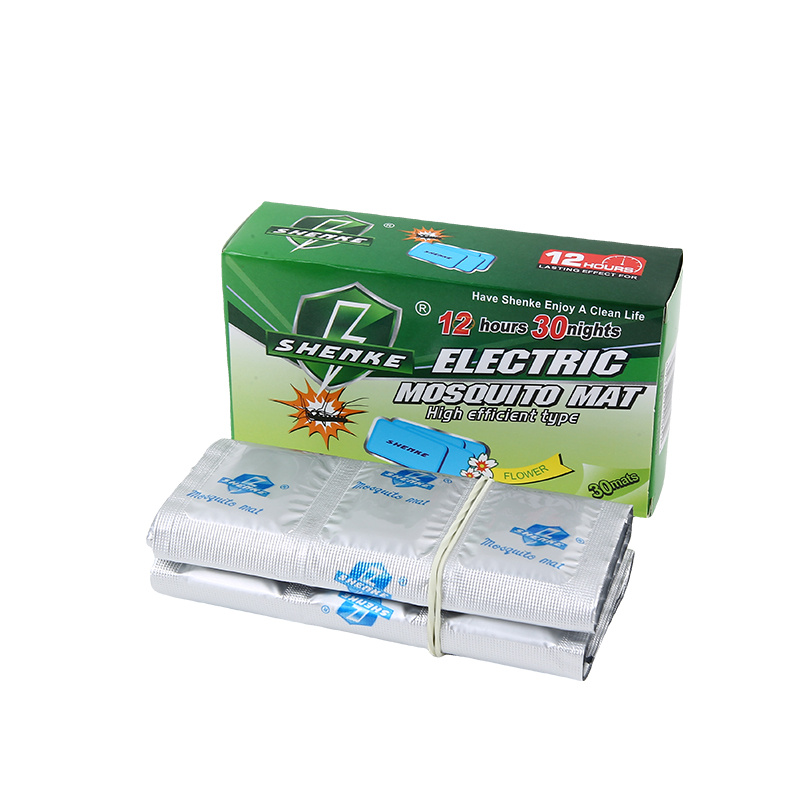
Consumers often wonder about the true lifespan of these protective devices. Clinical data and manufacturer guidelines establish a clear baseline. A standard pad delivers reliable protection for 8 to 10 hours. This duration perfectly covers a typical night of sleep.
However, the release rate is not perfectly linear. The active ingredients do not evaporate at a constant speed from start to finish. We refer to this as the efficacy curve.
During the first two to four hours, the device reaches peak concentration. The heating plate warms the fresh pad rapidly. This floods the immediate area with repellent vapor. It knocks down any mosquitoes currently in the room. After this initial spike, the release rate gradually tapers off. It maintains a steady maintenance dose for the remaining hours.
To illustrate this curve, consider the following data chart representation:
| Time Elapsed | Vaporization Rate | Protective Efficacy | Visual Mat Color |
|---|---|---|---|
| 0 - 2 Hours | High (Rapid Release) | Maximum (Knockdown Phase) | Deep Blue / Solid Green |
| 2 - 6 Hours | Moderate (Steady State) | High (Maintenance Phase) | Fading to Light Blue |
| 6 - 10 Hours | Low (Tapering Off) | Adequate (Residual Protection) | Pale White |
| 10+ Hours | Depleted | Minimal to None | Completely White / Bleached |
You do not need a timer to know when to replace the pad. Manufacturers engineer a clever visual cue into the product. A fresh mosquito repellent mat refill starts out as a solid blue or green color. The dye degrades at the exact same rate as the chemical evaporates. When the pad turns a faded, pale white, it is completely depleted. You must replace it.
Environmental variables heavily impact this actual effective duration. Room size plays a major role. A massive, open-concept living room disperses the vapor too thinly. Ambient temperature also matters. Hotter climates might cause the pad to dry out slightly faster. High airflow from ceiling fans or wide-open windows will blow the protective barrier away. You will lose the targeted defense zone.
Buyers often debate between solid pads and liquid vaporizers. Both systems use heat to disperse synthetic pyrethroids. However, they serve very different use cases. We must compare them across several critical dimensions.
Onset speed strongly favors the solid pad. Because the heating element makes direct contact with the infused pad, it vaporizes quickly. You gain immediate relief. Liquid models pull fluid up through a wick. Heating that wick takes significantly longer to fill a room with vapor.
Duration and scalability favor liquid systems. A standard liquid bottle provides continuous multi-day use. You can plug it in and enjoy 30 to 60 nights of protection. In contrast, solid pads require daily physical replacement. You must manually insert a new pad every single evening.
We can also look at cost efficiency. Analyzing the operating hours reveals distinct advantages. A single mosquito killer mat provides highly concentrated, budget-friendly protection for one specific night. You only use what you need. Liquids represent a larger upfront investment. They run continuously, which might waste chemical vapor if you leave the room.
Portability represents another major dividing line. Solid pads and their compact heaters excel during travel. They fit easily into a backpack. They are completely spill-proof. You can toss them into your luggage without worrying about leaking chemicals ruined clothes. Liquid bottles carry a distinct risk of spilling if packed improperly.
| Evaluation Metric | Electric Mat System | Liquid Repellent System |
|---|---|---|
| Onset Speed | Fast (10-15 minutes) | Slow (30-45 minutes) |
| Duration | Short-term (8-10 hours) | Long-term (30-60 nights) |
| Maintenance | Requires daily replacement | Set-and-forget usability |
| Portability | High (Spill-proof, compact) | Low (Bulky, leak risks) |
Your shortlisting logic should rely on your daily habits. We recommend solid pads for targeted, immediate, or travel use. They work perfectly when you only need defense in a single room right before bed. We recommend liquid options for set-and-forget, long-term household use across larger spaces.
Safety remains the top concern for consumers deploying chemical repellents in their bedrooms. You sleep while the device operates. We must address the compliance and toxicity data surrounding synthetic pyrethroids.
Standard health guidelines from organizations like the EPA and WHO classify synthetic pyrethroids as low-risk for mammalian exposure. Human bodies metabolize these compounds incredibly fast. When you inhale tiny amounts of the vapor, your liver enzymes break it down harmlessly. It does not accumulate in your system.
However, we must state transparent assumptions regarding specific risks. Sensitive individuals might experience mild respiratory irritation. If you have asthma, you should monitor your initial reaction to the vapor. Furthermore, pyrethroids present a severe danger to cats. Felines lack the specific liver enzymes needed to process these chemicals. Never use these devices in a room where a cat sleeps.
Practical implementation requires following strict safety considerations. You must establish proper ventilation requirements. Never deploy an indoor mosquito mat in a completely sealed, unventilated closet or tiny room. Always leave a bedroom door cracked open or a window slightly ajar. This allows fresh air circulation while maintaining the protective vapor zone.
Optimal placement of the hardware also minimizes risks. Keep the plug-in device at least three to six feet away from your bed. Do not plug it into an outlet right next to your pillow. You want the vapor to fill the room's airspace. You do not want to inhale the concentrated vapor plume directly as it rises from the heater.
Not all indoor pest control devices offer the same quality. You must evaluate specific criteria before bringing a system into your home. Focusing on hardware quality and chemical consistency prevents buyer's remorse.
Hardware consistency stands as the most critical feature. The heating unit must utilize a regulated PTC (Positive Temperature Coefficient) element. A PTC heater self-regulates its internal temperature. It heats up quickly but hits a strict thermal ceiling. This prevents the unit from overheating. Cheap heaters lack this regulation. They can scorch the pad, releasing toxic smoke and creating a fire hazard.
Next, evaluate the ingredient concentration. Check the packaging for the percentage of active ingredients. A concentration of 10mg to 15mg of Allethrin per pad typically suits a standard bedroom. If the box does not list the active ingredient percentage, you should avoid the product. Transparency equals trust.
Compatibility matters if you plan to buy refills from different brands. You must assess whether third-party pads fit securely into your proprietary heater. The pad must lay completely flat against the heating surface. If a third-party pad is too small or too thick, it compromises the heat-transfer surface area. The active ingredients will not vaporize correctly.
Finally, scrutinize the marketing text. Look for evidence-oriented claims. Warn yourself against products promising "24-hour protection" from a single standard pad. A small cellulose square simply cannot hold enough chemical to evaporate continuously for an entire day. Such claims defy the physical limits of thermal vaporization. Stick to brands that honestly advertise an 8 to 12-hour lifespan.
Electric mosquito mats serve as a highly effective, rapid-response tool for overnight indoor protection. They combine fast action with proven safety records. As long as you respect the 8 to 12-hour physical limitation of the pads, you will enjoy bite-free nights.
Take clear, action-oriented next steps today. First, assess your primary room size to ensure a single heater will provide adequate coverage. Second, verify your ventilation capabilities, making sure you can crack a window or door. Finally, select a reliable starter kit or bulk refill pack that matches your specific lifestyle, whether you need defense at home or while traveling.
A: No. You should never modify a depleted pad. Adding liquid essential oils to a dried pad creates a significant fire hazard. The heating element is designed specifically for the manufactured dry chemical formula. Unregulated oils can overheat, smoke heavily, or damage the PTC heater completely. Always use certified replacements.
A: Yes. Most synthetic pyrethroid pads have a shelf life of two to three years. If you leave them unsealed, the active chemicals degrade quickly when exposed to air and natural light. You should always keep unused pads tightly sealed in their original foil blister packs until the moment of use.
A: A slight, invisible vapor is normal during operation. However, visible, acrid smoke indicates a problem. Your hardware might be malfunctioning, or the internal heating element is running too hot. It could also mean debris fell onto the heating plate. Unplug the device immediately, let it cool, and inspect the surface.