
When it comes to keeping mosquitoes at bay, especially in warm and humid environments, the use of mosquito repellent sprays has become essential. Not only do these sprays provide relief from the discomfort caused by mosquito bites, but they also serve as an important defense against diseases such as malaria, dengue, and Zika virus.
A mosquito repellent spray works by either masking the scents that attract mosquitoes or by emitting chemicals that repel them. These sprays are typically applied directly to the skin or clothing and are formulated to last for a certain period, protecting you from mosquitoes.
The active ingredients in mosquito repellent sprays interfere with a mosquito's ability to sense human skin, sweat, and carbon dioxide – all of which attract mosquitoes. The primary ingredients in these sprays are often chemicals that create a barrier or a scent that mosquitoes find unpleasant.
There are several different types of mosquito repellent sprays available, each offering a unique method of repelling mosquitoes. These are some of the most common types:
DEET (N,N-Diethyl-meta-toluamide) is one of the most widely used and effective mosquito repellent ingredients. It is commonly found in sprays, lotions, and other repellents and has been extensively tested for its ability to repel mosquitoes.
Effectiveness: DEET is known for its long-lasting protection. It’s effective against a wide range of mosquitoes, including those that carry diseases like malaria and dengue.
Duration: Depending on the concentration of DEET (which ranges from 5% to 100%), these repellents can last anywhere from a few hours to a full day.
Pros:
Proven effectiveness against various mosquito species.
Long-lasting protection.
Cons:
Some people may have skin sensitivities to DEET.
The chemical can be harsh on clothing and synthetic materials.
Picaridin is a newer alternative to DEET, providing a similar level of protection without some of the drawbacks associated with DEET-based products.
Effectiveness: Picaridin repels mosquitoes in a similar manner to DEET and has been found to be effective for several hours. It is commonly used in areas where mosquitoes are known to transmit diseases.
Duration: Picaridin-based sprays typically last for 4-8 hours, depending on the concentration.
Pros:
Less greasy feel compared to DEET.
More pleasant odor and less likely to irritate the skin.
Cons:
Less effective in very high concentrations than DEET.
May not provide as long-lasting protection in heavily infested areas.
OLE is a plant-based ingredient that is often used as a natural alternative to chemical-based repellents. While it is effective, it is not as long-lasting as DEET or Picaridin.
Effectiveness: Oil of Lemon Eucalyptus has been proven to be effective in repelling mosquitoes for up to 4-6 hours.
Duration: It works best for short-term use, providing a temporary shield against mosquitoes.
Pros:
Natural, plant-based ingredient.
Ideal for people with skin sensitivities or who prefer natural products.
Cons:
Less effective than chemical-based repellents.
Shorter duration of protection.
IR3535 is another alternative to DEET that is widely used in Europe and the United States. It is considered a safe and effective mosquito repellent.
Effectiveness: IR3535 has shown effectiveness in repelling mosquitoes, and it is commonly used in sprays that protect against ticks and other insects as well.
Duration: The protection lasts up to 4-6 hours.
Pros:
Gentle on the skin, making it a good option for children and sensitive individuals.
Effective against a variety of insects, including mosquitoes and ticks.
Cons:
Not as widely available as DEET-based repellents.
May not provide long-lasting protection in areas with high mosquito populations.
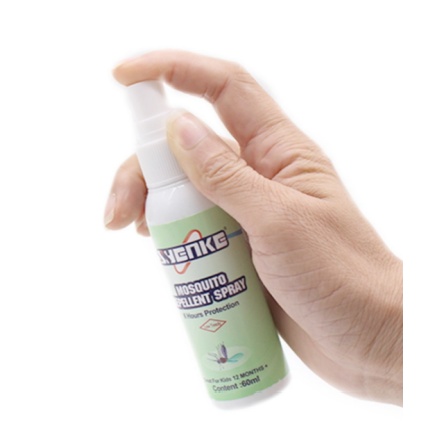
When selecting the best mosquito repellent spray, there are several factors to consider:
Look for a repellent that offers long-lasting protection. DEET and Picaridin are the best choices for long-term protection, especially if you’re going to be outdoors for an extended period of time. Natural alternatives like OLE are great for short-term exposure but may need to be reapplied more frequently.
If you have sensitive skin or are concerned about chemical exposure, opt for plant-based options like OLE or IR3535. These products are less likely to cause irritation or skin reactions compared to DEET-based repellents. However, always check the ingredients to ensure you’re choosing the best product for your needs.
For environmentally-conscious consumers, choosing a mosquito repellent that is eco-friendly and safe for wildlife is important.
Many natural repellents are biodegradable and made with sustainable ingredients. These products tend to have less impact on the environment than chemical-based repellents. Natural products like OLE are made from plant extracts and are safer for the environment, especially when used outdoors or in natural settings.
DEET-based repellents, while highly effective, can be harmful to the environment. If used in large quantities, DEET can leach into waterways and affect aquatic life. Some brands have started offering more environmentally-friendly versions of DEET-based repellents, but they’re still not as eco-friendly as plant-based alternatives.
Tip: If you’re concerned about the environmental impact of your repellent, opt for natural, biodegradable repellents that are safe for both humans and the environment.
In addition to effectiveness, there are other features that might influence your decision when choosing a mosquito repellent spray.
Waterproof formulas: If you plan on swimming or sweating, choosing a waterproof or water-resistant repellent is important. Many DEET or Picaridin-based repellents come in waterproof formulas that can stand up to water exposure without losing their effectiveness.
Multi-insect protection: Some mosquito repellents also protect against other insects such as ticks, flies, and fleas. These products can be particularly useful for outdoor activities like hiking, camping, or fishing, where you may encounter multiple types of pests.
Scent and Feel: Some mosquito repellents have strong or unpleasant odors, which can be off-putting. However, plant-based options like OLE often have a more pleasant, citrusy smell. Additionally, non-greasy formulations are available, making the repellent more comfortable to wear.
Tip: Consider your specific needs when choosing a product. If you’re heading to the beach or participating in water sports, opt for a waterproof repellent. If you’re hiking or camping, consider a multi-insect repellent.
To ensure maximum effectiveness, it’s important to use mosquito repellent sprays correctly:
Apply Evenly: Ensure the repellent is applied evenly to all exposed skin and clothing. Avoid applying it to broken skin or wounds.
Reapply as Needed: Depending on the product, you may need to reapply the spray every few hours, especially if you’re sweating, swimming, or exposed to rain.
Use in Combination with Other Protection: In areas with heavy mosquito populations, consider combining the use of mosquito repellent sprays with physical barriers such as nets, long sleeves, and pants.
Choosing the right mosquito repellent spray is crucial to ensure that you stay protected from mosquito bites and the diseases they carry. DEET and Picaridin-based products are the most effective options for long-lasting protection, while natural alternatives like Oil of Lemon Eucalyptus and IR3535 offer a gentler approach for short-term use. Regardless of the product you choose, it’s essential to apply it correctly and reapply as needed to ensure continued protection.
At Huangshan Lishen Commodity Co., Ltd., we specialize in providing high-quality, effective mosquito repellents designed to meet your needs, whether you're looking for long-lasting chemical solutions or natural alternatives. Our products are carefully formulated to deliver the best protection in various environments, including those with high mosquito populations. If you're interested in learning more about our mosquito repellent sprays, or if you have any questions, please don’t hesitate to contact us. We are here to help you stay protected and comfortable, no matter where you are.
Q1: What is the best mosquito repellent spray?
A1: The best mosquito repellent spray depends on your needs. DEET and Picaridin are highly effective for long-lasting protection, while natural alternatives like Oil of Lemon Eucalyptus are a good choice for those with sensitive skin or for short-term use.
Q2: How often should I reapply mosquito repellent spray?
A2: Reapply the mosquito repellent every 4-8 hours, depending on the product and the level of exposure to mosquitoes. If you're sweating or swimming, it may need to be reapplied more frequently.
Q3: Are natural mosquito repellents effective?
A3: Yes, natural repellents like Oil of Lemon Eucalyptus and IR3535 can effectively repel mosquitoes for short periods, though they may need to be reapplied more often than chemical-based options.
Q4: Can mosquito repellent sprays prevent mosquito bites entirely?
A4: While mosquito repellents are highly effective, no product offers 100% protection. It's best to combine repellents with other protective measures, such as wearing long sleeves or using mosquito nets.
Q5: Is it safe to use mosquito repellent spray on children?
A5: Yes, but always check the product label for age recommendations. Products with lower concentrations of DEET or natural alternatives are generally safer for children. Always follow the usage instructions carefully.


