
Mosquitoes are more than just a nuisance—they are responsible for spreading dangerous diseases such as malaria, dengue fever, and the Zika virus. As summer approaches and outdoor activities increase, the need for effective mosquito repellents becomes more pressing. However, with so many options on the market, it can be difficult to determine which mosquito repellent actually works.
Mosquito repellents are substances used to prevent mosquitoes from landing on or biting the skin. They can come in various forms, including sprays, lotions, candles, and wipes. The effectiveness of a mosquito repellent depends on its active ingredients, the duration of protection it provides, and how it is applied.
There are two primary types of mosquito repellents:
Chemical Repellents: These are synthetic compounds designed to keep mosquitoes away by interfering with their sensory systems.
Natural or Plant-Based Repellents: These are derived from plant oils and other natural sources and are often preferred by those seeking a more eco-friendly or skin-sensitive option.
Now let’s look at the most common active ingredients in mosquito repellents and determine which ones are most effective.
Mosquito repellents are essential tools in protecting against mosquito bites, especially in areas where mosquito-borne diseases are prevalent. Chemical mosquito repellents are widely used for their effectiveness in repelling mosquitoes and preventing bites. The most common chemical repellents include DEET (N,N-Diethyl-meta-toluamide), Picaridin, and Oil of Lemon Eucalyptus (OLE). In this section, we’ll take a closer look at each of these popular chemical mosquito repellents, their effectiveness, benefits, considerations, and potential drawbacks.
DEET is one of the most widely used and highly effective chemical mosquito repellents available today. Developed by the U.S. Army in the 1940s, DEET works by interfering with a mosquito’s ability to detect human scents, such as carbon dioxide and lactic acid, which are naturally emitted by our bodies and attract mosquitoes.
Effectiveness:
Wide Protection: DEET is effective against a broad range of mosquito species, including those that transmit serious diseases such as malaria, dengue, West Nile virus, and Zika virus.
Long-Lasting Protection: It can provide up to 8 hours of protection, depending on the concentration used. Higher concentrations generally offer longer protection.
Concentration Matters: Concentrations of DEET range from 10% to 50%, with higher concentrations providing more prolonged protection. A concentration of around 30-50% is commonly used for outdoor activities in areas with high mosquito activity.
Considerations:
Strong Odor: While DEET is effective, it has a strong odor that some people find unpleasant.
Skin Sensitivity: DEET can be harsh on the skin, especially when applied in high concentrations or frequently. It’s recommended to apply it only on exposed skin and avoid areas like the eyes and mouth.
Damage to Materials: DEET can damage certain materials, including plastics and synthetic fabrics. Care should be taken when applying it near clothing, equipment, or surfaces that may be harmed by the chemical.
While DEET is incredibly effective, its potential for skin irritation and material damage should be considered, especially with prolonged use.
Picaridin is a synthetic repellent that was developed as an alternative to DEET. It is known for being effective against mosquitoes, as well as ticks and other biting insects. Picaridin is often compared to DEET due to its similar effectiveness but with fewer drawbacks.
Effectiveness:
Picaridin works in a similar way to DEET by masking the scents that attract mosquitoes.
It provides long-lasting protection, often for up to 8 hours.
Picaridin is known for being less greasy and having a more pleasant odor than DEET.
Considerations:
Picaridin is safe for use on most skin types and does not damage materials like DEET can.
However, while it’s effective against mosquitoes, it may not provide as long-lasting protection as DEET in areas with high mosquito activity or during intense outdoor activities.
Oil of Lemon Eucalyptus, often referred to as PMD (para-menthane-3,8-diol), is a plant-based repellent that is considered one of the most effective natural alternatives to DEET. It is derived from the leaves of the lemon eucalyptus tree.
Effectiveness:
OLE is highly effective in repelling mosquitoes, including those that carry diseases like malaria and dengue.
It provides protection for up to 6 hours, which is comparable to lower concentrations of DEET.
OLE is registered by the U.S. Environmental Protection Agency (EPA) as a biopesticide.
Considerations:
While OLE is a more natural option, it still has a strong scent, which some people find unpleasant.
It is considered safe for most people, but it should not be applied to children under three years of age.
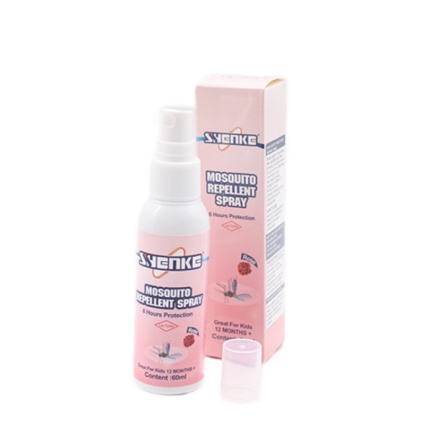
For those who prefer to avoid chemicals, there are several natural mosquito repellents that can also provide effective protection. While they may not be as long-lasting as chemical options, they are generally considered safer for the skin and the environment.
Citronella is one of the most well-known plant-based mosquito repellents. It’s often used in candles, sprays, and oils and is derived from lemongrass. Citronella works by masking the scents that attract mosquitoes.
Effectiveness:
Citronella provides temporary protection and is most effective in low concentrations, making it ideal for outdoor gatherings or small outdoor spaces.
It is commonly used in candles and sprays but needs to be reapplied frequently for continuous protection.
Considerations:
Citronella’s effectiveness is limited to short periods and low to moderate mosquito activity.
The scent is often pleasant but may wear off quickly, requiring reapplication.
Lavender oil is another natural repellent that has shown efficacy against mosquitoes. The scent of lavender is not only soothing but also repels mosquitoes. Lavender oil can be applied directly to the skin or used in diffusers.
Effectiveness:
Lavender oil is effective against mosquitoes, especially when used in combination with other essential oils like citronella or eucalyptus.
It provides moderate protection for short periods and is particularly suitable for indoor use.
Considerations:
Lavender oil is a gentle option for people with sensitive skin, but it should still be diluted before application.
It may not provide as long-lasting protection as chemical repellents.
Neem oil, derived from the neem tree, is another plant-based repellent that has been used for centuries in traditional medicine. It contains compounds that disrupt the mosquito’s ability to detect its hosts.
Effectiveness:
Neem oil has demonstrated insect-repelling properties and is effective in repelling mosquitoes, ticks, and other insects.
It works as both a repellent and a mild insecticide, providing protection for several hours.
Considerations:
Neem oil has a strong, earthy smell that may not be appealing to everyone.
It should be applied cautiously to avoid irritation, especially for people with sensitive skin.
When choosing a mosquito repellent, consider factors such as the level of mosquito activity, the environment (indoor or outdoor), your skin sensitivity, and your personal preferences regarding the use of chemicals or natural alternatives.
For extended outdoor activities such as hiking or camping, DEET or Picaridin may be your best option due to their long-lasting protection.
If you’re seeking a more natural solution with moderate protection, oil of lemon eucalyptus, citronella, or lavender oil may be more suitable.
For short-term indoor use, essential oils like lavender or neem oil provide a gentle and safe alternative to chemical repellents.
Choosing the right mosquito repellent depends on your specific needs, but it’s clear that effective options are available across both chemical and natural alternatives. DEET and Picaridin remain the most reliable solutions for long-lasting protection, while OLE and natural oils like citronella provide safe, eco-friendly alternatives.
At Huangshan Lishen Commodity Co., Ltd., we offer a variety of mosquito repellent products designed to meet your needs. Whether you're looking for chemical or natural solutions, our high-quality products provide effective protection against mosquitoes. Contact us today to learn more about our mosquito repellent offerings and how we can help protect you from unwanted bites.
How long does mosquito repellent last?
The duration of protection varies depending on the active ingredient. Chemical repellents like DEET and Picaridin can last up to 8 hours, while natural oils may need to be reapplied more frequently.
Is DEET safe to use on children?
DEET is safe for use on children aged 2 months and older when applied as directed. However, it’s essential to follow usage guidelines and avoid applying it to sensitive areas such as the eyes or mouth.
Can essential oils like citronella and lavender be used as effective repellents?
Yes, essential oils such as citronella and lavender can provide temporary protection, especially in smaller or less mosquito-prone areas. However, they may require more frequent reapplication compared to chemical repellents.
Are there any side effects of using mosquito repellents?
While most mosquito repellents are safe when used correctly, side effects such as skin irritation or allergic reactions can occur, especially with prolonged use. Always test a small patch of skin before full application.
Where can I purchase high-quality mosquito repellent products?
For high-quality, reliable mosquito repellent products, Huangshan Lishen Commodity Co., Ltd. offers a range of effective options to keep you protected. Contact us for more details on our offerings.


