
You pull last summer's trusty repellent out of the utility drawer, plug it into the wall, and settle in for a relaxing evening. An hour later? You are still slapping your ankles. The bugs are still buzzing. Why does this happen?
Many consumers assume these pest-control products remain indefinitely stable. They do not. Leaving a bottle in a hot garage or a sunny windowsill does more than just warm the fluid. It fundamentally destroys the chemical structure. As hardware and formulation engineers often point out, improper storage is the number one cause of product failure.
In this technical guide, we will break down the underlying science of why these formulas lose their potency over time. By understanding how environmental stressors impact the active compounds, you can implement strict storage practices. This ensures your home remains a comfortable, bug-free sanctuary all season long.
Chemical Degradation: The active synthetic compounds naturally break down over time. Exposure to excessive heat and ultraviolet rays significantly accelerates this molecular decay.
Solvent Evaporation: A loosely fitted cap allows essential carrier solvents to escape. This leaves the remaining active formula chemically unbalanced, overly viscous, and ultimately useless.
Shelf Life Matters: Factory-sealed products maintain a stable shelf life of 24 to 36 months. However, this duration drops sharply once the seal is broken.
Proper Storage is Key: Keeping your supplies in a cool, dark, and strictly dry environment is the only scientifically proven method to preserve their structural integrity.
Quality Makes a Difference: Investing in premium formulations with tightly engineered seals ensures a longer-lasting product, saving you money and frustration.
To fully comprehend why a product loses its efficacy while sitting in a cupboard, we must first examine the underlying chemistry. An Electric Mosquito Repellent Liquid is not merely a bottle of scented water. Rather, it is a precisely engineered delivery system designed to release a calculated concentration of insecticidal compounds into your ambient air.
At the core of a standard refill are synthetic active ingredients. Formulators typically use pyrethroids such as prallethrin or meperfluthrin. These complex chemicals are synthesized to mimic naturally occurring botanical insecticides found in chrysanthemum flowers. When warmed and released into the air, these molecules specifically target the nervous systems of flying pests. They disrupt the sodium ion channels in the nerve cells of the insects. This leads to rapid paralysis and neutralizes the threat of bites. The entire efficacy of the product relies heavily on the structural stability of these molecules.
Pure pyrethroids are highly concentrated and highly viscous. Therefore, they must be dissolved in a specific carrier solvent. This solvent is typically a highly refined, carbon-based liquid like deodorized kerosene or advanced isoparaffins. It serves a dual purpose. It dilutes the active ingredient to a safe concentration and provides a specific boiling point that allows steady vaporization. When you plug the unit in, a PTC ceramic heating element warms the porous carbon wicking rod. This gently vaporizes the solvent, carrying the active neurotoxins into the room.
The effectiveness of this system relies entirely on a meticulously calibrated ratio between the active ingredient and the carrier solvent. Formulators design these liquids so both components vaporize at a synchronized rate. If environmental storage conditions alter this delicate balance, the delivery mechanism fails completely.
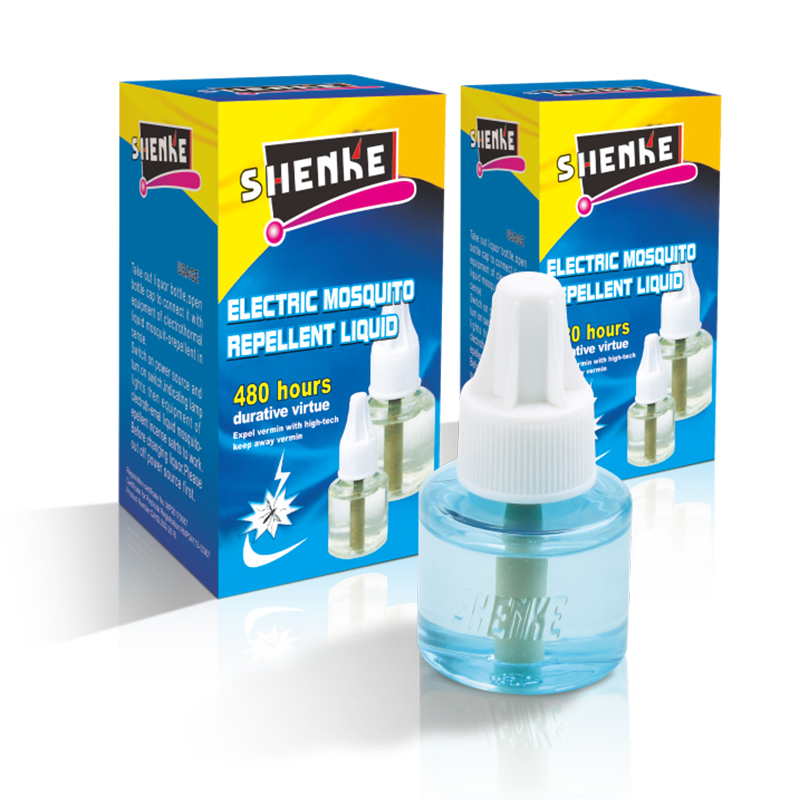
When a repellent is placed into long-term storage, it faces various invisible environmental stressors. Recognizing these threats is critical to preventing the premature death of your pest control supply.
Chemical reactions naturally accelerate as ambient temperatures rise. Storing your supplies in environments prone to extreme heat initiates rapid thermal degradation. Prolonged heat provides the activation energy necessary to break the complex molecular bonds of the synthetic pyrethroids. As these structures fracture, the compound loses its neurotoxic properties. Furthermore, temperature swings cause the fluid to expand and contract. This constant movement can compromise the neck seal of the bottle and create micro-leaks.
Photodegradation is arguably the primary enemy of insecticidal compounds. Ultraviolet radiation from direct sunlight possesses high photon energy, capable of cleaving molecular bonds. When a transparent bottle is left on an illuminated windowsill, the ultraviolet light systematically dismantles the active ingredients. This photochemical reaction alters the chemical signature, turning a highly potent formula into an inert fluid.
Interestingly, recent market analyses reveal a massive shift in pest control manufacturing. With global temperatures rising and mosquito seasons extending well into late autumn, traditional insecticidal formulations are degrading faster in consumer homes than a decade ago. This environmental pressure has forced the industry to innovate. Leading formulators are moving toward highly refined isoparaffinic solvents and UV-blocking polymer packaging. These advancements specifically combat the rapid chemical breakdown caused by erratic climate shifts, ensuring the fluid remains stable even in non-ideal storage conditions.
The carrier solvent is inherently volatile by design. It is formulated to evaporate easily when exposed to mild heat. However, this volatility becomes a massive liability during off-season storage. Because the solvent evaporates much faster than the heavier active ingredients, a loosely sealed bottle will gradually lose its volume to the atmosphere. When you eventually plug in this compromised Heater Liquid, the remaining fluid is a thick, syrupy sludge. It becomes too viscous to travel up the porous wicking rod via capillary action.
To illustrate exactly what happens inside the bottle, consider the following engineering breakdown of storage environments.
| Storage Condition | Solvent State | Active Ingredient Integrity | Wick Performance | End Efficacy Result |
|---|---|---|---|---|
| Optimal (Cool, Dark, Sealed) | Maintains precise viscosity | 100% molecular stability | Smooth capillary action | Consistent, bite-free protection |
| High Heat (Garage/Attic) | Accelerated evaporation | Thermal bond fracturing | Clogs due to thick sludge | Zero protection, potential fire hazard |
| Direct Sunlight (Windowsill) | Stable but warming | Severe photodegradation | Draws inert fluid | Fluid vaporizes but bugs remain active |
| Uncapped/Loose Seal | Massive volume loss | Oxidation alters chemical signature | Rod dries out completely | Device burns dry, emitting foul odor |
Before plugging in a bottle that has been sitting in a drawer since last year, you should conduct a brief physical inspection. There are several empirical indicators that the chemical formulation has degraded beyond the point of usefulness.
The most immediate indicator of chemical degradation is a distinct change in color. A fresh, highly effective formula is typically crystal clear or possesses a very pale hue. If you observe that the liquid has turned a dark yellow, amber, or muddy brown color, it has likely undergone severe oxidation. This discoloration is a physical manifestation of broken-down chemical bonds.
The physical viscosity of the fluid is another critical metric. If the liquid inside the bottle appears thicker than usual or moves sluggishly when you tilt it, solvent evaporation is the culprit. A viscous liquid cannot utilize capillary action to climb the wicking rod.
When functioning properly, these devices emit a very subtle vapor. In contrast, if you plug in a degraded bottle and notice a distinct burning plastic or dry carbon smell, the wicking rod is completely dry. The ceramic heater is simply scorching the empty carbon rod because the thickened liquid cannot reach the heating element.
To maximize the longevity of your investment, adopting strict storage protocols is essential. Proper environmental control mitigates both the chemical and physical degradation of your Mosquito Liquid Refill.
Temperature and light control are non-negotiable factors. Store all extra bottles in a climate-controlled environment. Ideal locations include lower pantry shelves, interior cupboards, or dedicated utility drawers. Ensure these spaces are situated far away from heat-generating appliances and completely shielded from direct sunlight.
Open air is highly detrimental to the carrier solvent. If you are removing a half-used bottle from the electric unit at the end of the season, it is imperative to replace the original protective cap and tighten it securely. Furthermore, always store your bottles in a strict vertical position. Laying a bottle on its side places constant pressure on the neck seal, significantly increasing the risk of micro-leaks.
When your old supplies fail the visual inspection, do not just buy random replacements off the shelf. Treat the purchase like an equipment upgrade. Look for specific manufacturing parameters that guarantee stability and longevity.
Specifically, check the active ingredient concentration. High-performance fluids utilize 0.6% to 0.8% meperfluthrin for rapid knockdown power. Next, evaluate the volume and expected lifespan. A standard 45ml bottle paired with a modern PTC ceramic heating element should yield 300 to 480 hours of stable vaporization. Finally, inspect the packaging. Premium brands use high-density, oxidation-resistant plastic bottles and tightly engineered wicks that prevent premature solvent loss. Investing in a high-grade Liquid Mosquito Killer ensures you get consistent vaporization rates from the first night to the last.
When discovering a stash of expired products, many consumers wonder if it is still viable to use them. Utilizing expired pest control presents several practical and safety-related issues.
From an engineering standpoint, the primary safety concern stems from the physical state of the degraded product. As the carrier solvent evaporates, the remaining fluid becomes highly viscous. When a plug-in device attempts to heat a wick clogged with this sludge, the ceramic heating element can overheat. This emits noxious smoke and poses a localized fire hazard. Ultimately, using an expired product is fundamentally a waste of electricity. Because the active neurotoxins have broken down, the vapor released will not incapacitate pests.
The chemical stability of your pest control products is directly tied to how they are stored. Excessive heat, ultraviolet light, and ambient air are the primary enemies of the active pyrethroids and carrier solvents. By understanding the mechanics of chemical degradation, you can take proactive steps to protect your investment.
Do not compromise on your family's comfort. As the warmer months approach, audit your current stash today. Inspect your bottles for discoloration, viscosity changes, and expiration dates. If your fluid is yellow or thick, throw it out responsibly. For premium, climate-stable protection, explore the professional-grade Mosquito Liquid solutions at Lisn Pest Killer. Their precisely engineered formulas and advanced PTC heating systems ensure you get every hour of bite-free protection you pay for.
Yes, these products have a definitive expiration timeline. Most unopened bottles expire 24 to 36 months after their manufacturing date, provided they are stored in optimal conditions. Once the factory seal is broken and the product is exposed to air, the degradation process accelerates. Ideally, an opened bottle should be used within 6 to 12 months to guarantee maximum chemical effectiveness.
Leaving the device plugged in continuously is not recommended. Continuous heating will deplete the fluid rapidly, often within 30 to 45 days. Constantly heating the device when bugs are not active wastes electricity and unnecessarily introduces chemicals into your indoor air. Unplug the device, remove the bottle, cap it tightly, and store it in a cool, dark place during the off-season.
A visual color change from a clear fluid to a yellow or brownish tint is a primary indicator of chemical degradation. This discoloration is caused by oxidation, which occurs when the active ingredients and solvents react with oxygen, heat, or ultraviolet light. When the fluid turns yellow, the molecular structure has broken down, meaning the product has lost its insect-repelling strength.
The safety and efficacy of a previously used bottle depend entirely on how it was stored. If the bottle was removed from the heater, capped tightly to prevent air exposure, stored strictly upright, and kept in a cool environment, it should remain safe for the following season. If it was left uncapped or stored horizontally, the solvent has likely evaporated, and the product should be replaced.
If the fluid level remains static despite the device being plugged in and warm, the capillary action has failed. This typically occurs because the carrier solvent has evaporated during improper storage, leaving the active ingredients too thick to travel up the carbon wick. Alternatively, the wicking rod itself may have become clogged with dust. The product is no longer functional and must be replaced immediately.
The most definitive proof is monitoring pest behavior within the first 30 to 45 minutes of activation. You should observe a drastic reduction in flight activity and biting. If the device has been running in a standard-sized, enclosed room for over an hour and mosquitoes are still actively landing on you, the active ingredient has degraded and the formula has failed.
Yes, ambient conditions play a role. While the internal PTC heater regulates the temperature of the wick, an extremely cold room can cause the vapor to condense prematurely before it spreads. Conversely, a very hot room might slightly accelerate solvent release. However, high-quality formulations are precisely engineered to remain stable and effective across all standard indoor living temperatures.