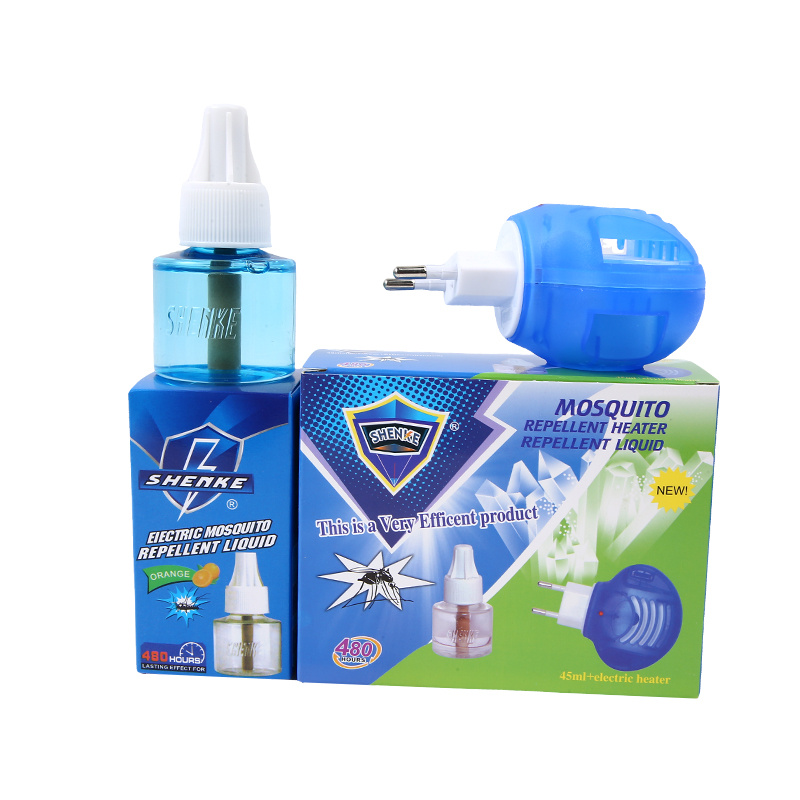
If you want the best mosquito repellent in 2025, pick one with DEET, Picaridin, or Oil of Lemon Eucalyptus. These active ingredients top scientific and consumer rankings. Check out this quick guide:
Active Ingredient | Recommended Concentration | Effectiveness Level |
|---|---|---|
DEET | 25-30% | Most reliable option |
Picaridin | 20% | Effective alternative |
Oil of Lemon Eucalyptus | 30% | Effective alternative |
The right Mosquito Repellent Product for you depends on how you apply it and where you use it.
Choose mosquito repellents with DEET, Picaridin, or Oil of Lemon Eucalyptus for the best protection. DEET concentrations of 25-30% are most effective.
Consider your environment and activity when selecting a repellent. For hiking, opt for stronger sprays or treated clothing; for casual outings, a natural spray may suffice.
Always follow safety guidelines. Apply repellents only to exposed skin, avoid using them on cuts, and supervise children during application.
When you’re searching for the best mosquito repellents, you want to know which mosquito repellent product actually works. Let’s break down the top choices for 2025, so you can pick the right products for your needs.
DEET remains the gold standard for mosquito repellents. You’ll find it in many mosquito repellent products, like Off Deep Woods Dry and Sawyer DEET. These products use concentrations from 20% to 98%, but most experts recommend sticking with 25-30% for everyday use. Higher concentrations last longer but may irritate your skin or damage fabrics.
Product Name | DEET Concentration | Duration of Protection | Effectiveness Against Insects | Notes |
|---|---|---|---|---|
Off Deep Woods Dry | 25% | Up to 8 hours | Mosquitoes, ticks | Reliable for outdoor activities |
Sawyer DEET | 20% | 6-8 hours | Mosquitoes, ticks | Good balance of protection and comfort |
Ben's 100 Tick & Insect Repellent | 98.11% | Up to 10 hours | All biting insects | Extreme conditions, may irritate skin |
Consumer Reports found that products with 25-30% DEET consistently perform better than others. You get long-lasting protection, but you should watch for skin irritation or allergic reactions, especially if you use these products often.
Tip: Always follow the label instructions and avoid applying DEET to broken skin or near your eyes.
Picaridin is a popular alternative to DEET. You’ll see it in mosquito repellent products like Sawyer Picaridin. These products usually come in sprays or lotions, and experts recommend a 20% concentration for the best results.
“Three of the four recommended picaridin repellents have a concentration of 20 percent, while one has a 10 percent concentration. So if you want to use a picaridin-based insect repellent, it’s probably best to stick with a spray that has 20 percent picaridin.”
Scientific testing shows that picaridin and DEET offer similar protection when you use the right dosage. Sawyer Picaridin is easy to apply, doesn’t have a strong odor, and rarely causes skin irritation. You’ll get solid protection for several hours, making it one of the best mosquito repellents for travel and daily use.
If you want a natural mosquito repellent product, Oil of Lemon Eucalyptus (OLE) is your best bet. Murphy’s Naturals Lemon Eucalyptus and Repel Lemon Eucalyptus are top choices. OLE is EPA-approved and works well for most people, though it’s not recommended for children under 3.
OLE poses little risk when you use it as directed.
The main concern is eye irritation, so apply it to your hands first, then your face.
Studies show OLE can match DEET’s effectiveness for several mosquito species.
You’ll get 5-7 hours of protection, which is slightly less than synthetic products.
In field tests, OLE performs well, but synthetic mosquito repellents like DEET and picaridin last longer. If you prefer plant-based products, OLE is a solid choice.
Permethrin-treated clothing offers a different kind of mosquito repellent product. Instead of applying a spray or lotion, you wear treated shirts, pants, or hats. These products protect you by killing or repelling mosquitoes that land on your clothes.
Condition | Protection Level | Mosquito Species |
|---|---|---|
Permethrin-treated clothing + PMD | 68% (afternoon), 52% (evening) | Female mosquitoes |
Long permethrin-treated clothing | 61% (afternoon), 43% (evening) | All species |
Overall reduction | 54% (Ae. albopictus), 43% (Cx. vishnui) | Vector species |
You’ll find that permethrin-treated clothing is safe for adults and children. Just follow the label instructions, treat your clothes outdoors, and let them dry before wearing. Combine these products with a skin-applied mosquito repellent product for full coverage.
Mosquito control devices like the Thermacell E65 are changing the game. These products create a protective zone without needing to apply anything to your skin. Thermacell E65 uses a heated mat to release repellent into the air, keeping mosquitoes away from your patio or campsite.
Minimal upkeep is needed for these products.
Follow the manufacturer’s instructions for refills and cleaning.
Regular inspections and seasonal maintenance keep your device working well.
Maintenance Task | Frequency |
|---|---|
Insecticide Refill | Every 4–8 weeks |
Nozzle Cleaning | As needed |
Pump Inspection | Regularly |
Winterization | Before winter season |
You’ll love these mosquito repellents if you want hands-free protection for outdoor spaces. Thermacell E65 is one of the best mosquito repellents for patios, decks, and camping trips.
Product Name | Active Ingredient | Application Method | Effectiveness Rating | Best For |
|---|---|---|---|---|
Off Deep Woods Dry | DEET (25%) | Spray | ⭐⭐⭐⭐⭐ | Hiking, camping |
Sawyer DEET | DEET (20%) | Lotion/Spray | ⭐⭐⭐⭐⭐ | General outdoor use |
Sawyer Picaridin | Picaridin (20%) | Spray/Lotion | ⭐⭐⭐⭐ | Travel, sensitive skin |
Murphy’s Naturals Lemon Eucalyptus | Oil of Lemon Eucalyptus | Spray | ⭐⭐⭐⭐ | Natural option |
Thermacell E65 | D-cis/trans allethrin | Device | ⭐⭐⭐⭐⭐ | Patios, group settings |
You have plenty of choices when it comes to finding the best mosquito repellents. Whether you want a traditional mosquito repellent product, a natural spray, treated clothing, or a device, you’ll find products that fit your lifestyle and needs.
You might wonder why some insect repellents work better than others. The answer lies in how their active ingredients interact with mosquitoes’ senses. Let’s break it down:
DEET blocks certain receptors in a mosquito’s antennae, making it hard for them to smell you. It can also mess with their brain, so they lose interest in finding a host.
Picaridin works in a similar way. It confuses mosquitoes’ ability to track you down by interfering with their sensory system.
Oil of Lemon Eucalyptus, which contains PMD, acts as a long-lasting repellent. It not only keeps mosquitoes away but also stops ticks from attaching and feeding.
Permethrin is different. You use it on clothing, not your skin. When a mosquito lands on permethrin-treated fabric, it gets paralyzed because the chemical disrupts its nervous system.
Here’s a quick look at how these ingredients affect mosquitoes:
Active Ingredient | Mechanism of Action | Effect on Mosquito Senses |
|---|---|---|
DEET | Deters approach and biting | Blocks or activates odor receptors, confuses mosquitoes |
Picaridin | Disrupts host-seeking | Interferes with sensory signals |
Oil of Lemon Eucalyptus (PMD) | Repels and inhibits feeding | Natural alternative, affects both mosquitoes and ticks |
Permethrin | Causes paralysis on contact | Requires direct contact, not a spatial repellent |
Different mosquito species respond in their own ways. For example, DEET works great against Aedes and Culex mosquitoes, but not as well on Anopheles. Some repellents keep mosquitoes away from a distance, while others only work when the insect touches your skin or clothing.
Tip: For the best insect repellents, look for products that target both the mosquito’s sense of smell and taste. This gives you stronger protection against mosquitoes.
You want to know what really works when you’re outside. Lab tests are helpful, but real-world feedback tells the full story. Here’s what experts and consumers found in 2025:
DEET-based insect repellents give you long-lasting protection against mosquitoes and ticks. Many users report up to 8 hours of bite-free time.
Picaridin matches DEET in effectiveness, but people like it more because it smells better and feels nicer on the skin.
Oil of Lemon Eucalyptus is a top choice if you want a natural option. It works well, but you may need to reapply it more often than DEET or picaridin.
Permethrin-treated clothing is a game-changer for hikers and campers. It keeps mosquitoes and ticks off your clothes, giving you extra peace of mind.
Consumer Reports tested over 50 insect repellents. Products with 25-30% DEET outperformed others, especially in tough conditions. Ben’s Tick & Insect Repellent Wipes and Wilderness Formula Pump stood out for their excellent protection. Repel Lemon Eucalyptus was the best DEET-free option, but most plant-oil-based products didn’t score well.
When experts tested these products, they applied a standard dose to volunteers’ arms and exposed them to hundreds of mosquitoes. The highest-rated repellents kept mosquitoes away for 7 hours or more. Lower-rated ones lasted less than 2 hours.
Note: If you want reliable protection against mosquitoes, stick with insect repellents that use DEET, picaridin, or oil of lemon eucalyptus. Natural sprays may sound appealing, but they usually don’t last as long.
You can trust these results. Both scientific studies and real-world tests show that the best insect repellents offer strong, long-lasting protection. Whether you’re hiking, camping, or just relaxing outside, you’ll want to choose a product that matches your needs and keeps mosquitoes at bay.
You might wonder how natural mosquito repellents stack up against chemical options. Take a look at this quick table:
Type of Repellent | Strengths | Weaknesses |
|---|---|---|
Natural | Eco-friendly, less skin irritation, pleasant aromas | Requires frequent reapplication, variable efficacy |
Chemical | Long-lasting protection, effective against various species | Can cause skin irritation, strong odors, environmental concerns |
People like the scents and non-toxic ingredients in natural mosquito repellents. You may notice less skin irritation. However, you’ll probably need to reapply them more often. Chemical repellents last longer and protect against more mosquito species, but some users dislike the smell or worry about skin reactions.
If you prefer plant-based options, you’ll find plenty of choices. Many users enjoy the fresh aromas and gentle formulas. You can use sprays with ingredients like citronella, lemongrass, or peppermint. These products feel light and safe for most skin types. On the downside, you may see limited protection time. Some people report that natural mosquito repellents wear off quickly, especially in humid conditions.
�� Pleasant scent
�� Less irritation
�� Shorter duration
�� Mixed results outdoors
You might see wearable mosquito repellent products like bracelets or clip-ons. Some promise protection without sprays or lotions. Here’s what lab and field tests show:
Most wearable devices, such as sonic repellers and bracelets, do not effectively repel mosquitoes, while the OFF! Clip-on device shows significant efficacy. The OFF! Clip-on reduced mosquito attraction rates close to that of the negative control and killed 100% of the mosquitoes in each replicate. In field tests, this device has been shown to reduce the number of bites experienced from Ae. albopictus and Aedes taeniorhynchus mosquitoes by 70 and 79%, respectively.
If you want hands-free protection, try the OFF! Clip-on. You’ll get solid results, especially in areas with lots of mosquitoes.
When you look for the best mosquito control, you have a lot of options. Not every product works the same for everyone. You need to think about your activity, age, environment, and skin sensitivity. Here’s how you can narrow down your choices:
Pick a CDC-recommended and EPA-registered product. These options have been tested for safety and effectiveness.
Make sure your choice works against both mosquitoes and ticks, especially if you spend time outdoors.
Always check the label for age restrictions. Some options are safe for babies, while others are only for older kids and adults.
You also want to match your mosquito control to your plans. If you’re hiking, you might need stronger bug sprays or treated clothing. For a backyard barbecue, a device or natural spray could be enough. If you travel, look for options that are easy to pack and apply.
Here’s a quick table to help you choose the right mosquito control for your age group:
Age Group | Recommended Options | Notes |
|---|---|---|
Newborns & Infants (0–6 Months) | Physical barriers (mosquito nets, clothing) | Skin is too delicate for most bug sprays. |
Babies & Toddlers (6 Months–2 Years) | Low-concentration picaridin or IR3535 (ask your pediatrician) | Oil of Lemon Eucalyptus only with guidance. |
Kids (2+ Years) | Bug sprays, creams, roll-ons | Choose lower concentrations made for children. |
Adults & Older Children | DEET (20–30%), picaridin, or OLE | Stronger options for outdoor activities. |
You have many options, so think about your needs before you buy.
Safety comes first, especially for children and people with sensitive skin. You want to use mosquito control options that protect you without causing irritation or allergic reactions. Here are some tips to help you stay safe:
Never use oil of lemon eucalyptus on children younger than 3 years old.
Always follow the age recommendations on the product label.
Choose sticks, lotions, or unpressurized sprays for easier and safer application.
Apply bug sprays only to exposed skin and outside of clothing. Don’t use more than you need.
Use mosquito control options in open areas to avoid breathing in the spray.
Help young children apply repellent, and supervise older kids.
Wash skin with soap and water after you come inside.
Store all options out of reach of young children.
For extra protection, use mosquito netting over strollers or carriers.
Here’s a table with more safety tips:
Recommendation | Details |
|---|---|
Product Form | Use sticks, lotions, or unpressurized sprays. |
Application | Only on exposed skin and outside clothing. |
Amount | Just enough to cover; more does not help. |
Area | Apply in open spaces. |
Supervision | Help kids apply and supervise. |
Removal | Wash off after coming indoors. |
Storage | Keep away from young children. |
Extra Protection | Use netting for babies and toddlers. |
You have many options that are safe for sensitive skin. DEET up to 30% is safe for kids when used as directed. Picaridin and IR3535 are also good options for most ages. Permethrin works well on clothing but never put it on your skin.
Tip: Always read the label and follow the directions. If you have sensitive skin, test a small amount first.
Getting the most out of your insect repellent starts with how you use it. Here’s a simple routine you can follow for better results:
Apply your insect repellent evenly to all exposed skin. Missed spots can attract bites.
Reapply your repellent supply as directed, especially after swimming or sweating. Don’t wait until you notice mosquitoes.
Choose effective sprays or lotions with higher concentrations if you need long-lasting protection.
Combine your insect repellent with other mosquito control gear, like nets or screens, when you’re in high-risk areas.
Always check your environment. If you’re in a place with lots of mosquitoes, use stronger products and extra barriers.
Tip: Keep your repellent supply handy so you can reapply whenever you need it.
You can boost your defense by using more than one method. For example, pairing an insect repellent with an insecticide-treated net gives you extra coverage, especially before bedtime. Some people also mix essential oils, like eucalyptus and clove, for a more effective insect repellent. These combinations can give you longer-lasting results and help protect against different mosquito species.
Try using a topical repellent supply along with a spatial device for group settings.
Essential oil blends, such as basil with coriander or sage with patchouli, have shown strong results in studies.
Even the best insect repellent won’t work if you use it the wrong way. Watch out for these common mistakes:
Don’t apply insect repellent under your clothing. It works best on exposed skin.
Avoid using it on cuts, irritated skin, or near your eyes and mouth.
Never mix your insect repellent with other products like sunscreen in the same application. Apply sunscreen first, let it dry, then use your repellent supply.
Note: Following these tips helps you get long-lasting protection and keeps your mosquito control routine safe and effective.
You want strong protection against mosquitoes. Doctor-recommended mosquito repellents like DEET, picaridin, and oil of lemon eucalyptus stand out in 2025. Choose what fits your needs. You get better protection when you follow safety tips. Stay confident knowing you have reliable protection for every outdoor adventure.
You want a mosquito repellent system that covers your outdoor area. The effectiveness depends on how well the system controls mosquitoes and fits your outdoor activities.
Tip: Try combining a device with a topical mosquito repellent product for better control.
Yes, you can use a mosquito repellent system during camping. Choose a system that offers effective control for outdoor spaces. Pair it with a mosquito repellent product for extra protection.
Devices work well for group camping.
Topical products give you personal control.
Check for fewer bites and less mosquito activity in your outdoor space. If you still notice mosquitoes, try a different mosquito repellent product or upgrade your system for better control.
System Type | Signs of Effectiveness |
|---|---|
Device | Fewer mosquitoes outdoors |
Topical Product | No bites during camping |
Treated Clothing | Mosquitoes avoid contact |