
Deploying a generic adhesive trap often leads to failure in pest management. You either catch nothing or capture non-target species. Adhesives require precise engineering to match specific kinetic energy levels and body masses. Using a lightweight insect monitor for a rodent results in immediate escapes. Conversely, deploying a heavy-duty rodent board for crawling insects wastes resources and over-engineers a simple problem. Pest control relies on matching the tool to the target. We must establish a technical evaluation framework to differentiate between a cockroach glue trap and a rodent board. This evaluation depends on adhesive viscosity, base rigidity, attractants, ethical considerations, and implementation risks. Understanding these mechanical differences ensures you deploy the right trap for the right pest, minimizing escapes and environmental hazards.
Design Dictates Target: Cockroach traps utilize thin, highly tacky adhesives on flexible cardboard primarily for monitoring, whereas rat boards require deep, high-viscosity glue on rigid plastic trays to prevent forceful escapes.
Monitoring vs. Control: A sticky insect trap is an investigative tool to gauge infestation severity, life cycle stages, and travel routes; a rat glue board is typically deployed as a direct, albeit situational, population control mechanism.
Efficacy and Ethical Limitations: While convenient, heavy-duty glue boards often yield a lower success rate for mature rodents compared to mechanical traps and raise significant animal welfare concerns due to prolonged distress.
Environmental and Ecological Risks: Dust, moisture, and extreme temperatures rapidly degrade the efficacy of any adhesive pest trap. Furthermore, trapped prey actively attracts non-target predators, requiring strict placement protocols.
Stopping a moving pest requires specific mechanical properties. Size, weight, and escape behavior dictate every aspect of trap design. A pest in motion generates kinetic energy. The trap must absorb this energy and restrict muscle movement instantly. Failing to match the adhesive properties to the pest guarantees failure. Field technicians see this constantly when property owners place the wrong board in a high-traffic runway, resulting in dragged traps and educated, trap-shy rodents.
Chemical formulation differences define the trap's capability. Insect traps use low-profile, high-tack glue. This formulation grabs lightweight exoskeletons upon the slightest contact. Insects lack the muscle mass to pull away from high-tack surfaces. The glue layer remains thin because insects do not sink deeply into the adhesive. You want a surface that acts like quicksand for a six-legged crawler weighing less than a gram. Manufacturers often use specific polyisobutylene blends to maintain this surface tackiness over long periods.
Rodent traps require deep, thick, high-viscosity glue. This adhesive must mat fur and restrict powerful muscle movement. When a rodent steps onto the trap, its weight pushes its limbs deep into the adhesive pool. High-viscosity glue stretches but resists breaking. It uses the animal's struggle to further entangle it, wrapping around the body as the pest thrashes. If you use a thin insect glue on a rat, the animal simply steps on it, feels the pull, and rips its paw free, leaving behind a few hairs and learning to avoid that area entirely.
Structural integrity determines whether a trap stays in place. Cardboard bases offer flexibility. You can fold them into tunnels or boxes. This shape creates a dark, enclosed space ideal for roaches. Insects seek out tight crevices, making folded cardboard highly effective for interception. You can slide these folded monitors under commercial kitchen equipment, behind residential refrigerators, or into tight plumbing voids without obstructing foot traffic.
Stiff plastic trays serve a completely different purpose. They prevent larger pests from dragging the trap away. A mature rodent possesses enough strength to pull a cardboard trap across a room, often dragging it into an inaccessible wall void where the animal eventually dies and creates a severe odor issue. Rigid plastic provides a heavy, unyielding base. It anchors the high-viscosity glue and forces the rodent to fight the adhesive rather than the trap's structure.
| Feature | Cockroach Trap | Rat Board |
|---|---|---|
| Base Material | Flexible Cardboard | Rigid Plastic Tray |
| Adhesive Viscosity | Low (High Tack) | High (Deep Pool) |
| Target Kinetic Energy | Low | High |
| Primary Function | Monitoring and Data Gathering | Population Control |
| Placement Strategy | Crevices, under appliances | Runways, flush against walls |
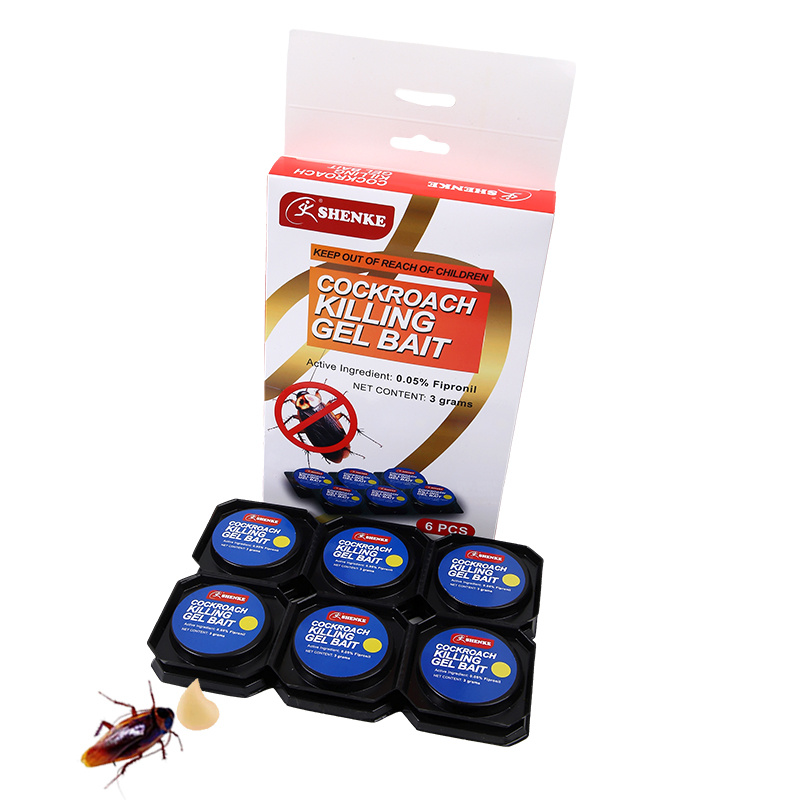
Professionals rarely use a Glue Trap to eliminate an entire roach infestation. Instead, they use it as a diagnostic tool. The trap reveals the hidden dynamics of the pest population. You deploy these monitors to gather intelligence before applying chemical baits, insect growth regulators, or targeted sprays.
These traps identify harborage areas. By placing multiple traps across a room, you can pinpoint where insects congregate. You must learn how to read a trap effectively. Determine the direction of travel based on where insects are stuck. If most insects adhere to the left edge, they likely traveled from the left side of the room. This tells you exactly where to focus your inspection efforts.
Identify specific species caught on the board. German cockroaches require different treatment protocols than American or Oriental cockroaches. Assess the life cycle stage. Finding early instar nymphs indicates an active breeding population nearby. Finding only adults suggests foraging behavior from a distant nest. This data guides your targeted applications.
Here is how field technicians extract data from a monitor:
Count the total number of insects to establish a baseline population density.
Identify the ratio of nymphs to adults to gauge the maturity of the infestation.
Map the catch locations to trace the foraging paths back to the primary harborage.
Check for egg cases (oothecae) dropped on the glue, which indicate imminent population spikes.
A sticky insect trap often integrates food-grade attractants. Some advanced models embed aggregation pheromones directly into the adhesive. These chemical signals actively draw in crawling insects. Without attractants, the trap relies entirely on accidental interception. Pheromones increase the catch rate significantly, providing a more accurate sample of the local population. You will often see a dense cluster of roaches in the exact center of a pheromone-laced board, proving the chemical draw works.
Positioning dictates success. Place traps along baseboards where insects naturally travel. Slide them under appliances like refrigerators, dishwashers, and stoves. These areas provide the warmth and moisture roaches seek. Position traps near plumbing fixtures under sinks. Maximize interception rates by placing traps flush against corners. Insects navigate by keeping their antennae in contact with vertical surfaces. A monitor placed in the middle of a floor will catch almost nothing.
Trapping rodents requires entirely different physics. A rat glue board must withstand violent struggles and high kinetic energy. You are dealing with a mammal that possesses significant muscle mass, sharp claws, and a strong survival instinct. The equipment must match the physical threat.
The physics of trapping a rat rely on entanglement. The trap requires a heavy adhesive layer. This glue adheres to the belly and limbs simultaneously. When the rat attempts to pull one leg free, it pushes another leg deeper into the glue. The animal's struggle further entangles it, exhausting its energy and preventing escape. The adhesive must maintain its elasticity under extreme tension. If the glue is too brittle, it snaps. If it is too fluid, the rat slides off.
A rat board must feature a raised lip. This lip contains the massive volume of glue necessary for large rodents. A rigid base prevents the board from folding over the animal. If a trap folds, the rat can use the dry underside to gain traction and escape. The plastic tray ensures the adhesive remains a flat, inescapable pool. Field tests show that rats will actively chew through cardboard bases to free themselves, making thick plastic an absolute necessity for mature targets.
Place boards flush against walls in known runways. Rodents possess poor eyesight and navigate using their whiskers against vertical surfaces. You must intercept them along these established paths. Evaluate the necessity of securing the board. Large rats can drag unanchored boards into wall voids. Use double-sided tape or physical anchors to secure the plastic tray to the floor.
Follow these anchoring protocols for heavy rodents:
Clean the floor surface thoroughly to ensure double-sided tape adheres properly.
Press the tray firmly into the corner where the floor meets the wall.
Place a secondary board adjacent to the first to create an unavoidable trapping zone.
Never place boards near open flames, heating vents, or areas with excessive moisture.
Acknowledge the limitations of adhesive boards. Despite heavy-duty designs, glue boards often have a lower success rate for mature, cautious rodents compared to snap traps. Large rats can sometimes pull free from the adhesive. Older rodents often learn to avoid the plastic trays entirely. Snap traps provide a definitive, mechanical solution when adhesives fail to secure large targets. You must recognize when a population has outgrown the effectiveness of glue.
Deploying an adhesive pest trap introduces significant environmental and ethical variables. You must weigh these trade-offs before implementation. Field conditions rarely match laboratory settings, and external factors will dictate your success rate.
Trapped prey actively attracts non-target predators. This creates severe ecological risks. A struggling mouse or a cluster of insects acts as live bait. Birds of prey, snakes, lizards, and small pets often investigate the trap. They become stuck in the adhesive, compounding the danger. Using unshielded boards outdoors or in accessible areas guarantees bycatch. You must implement strict placement protocols to protect local wildlife. Never place an exposed board in a barn, garage, or patio without a protective housing.
Target animals experience prolonged distress on adhesive boards. They suffer physical exhaustion, dehydration, and panic. These traps do not kill quickly. Because of these animal welfare concerns, many pest management professionals prefer rapid-kill mechanical traps. Snap traps offer humane rodent control by dispatching the animal instantly. Use adhesives only when mechanical options prove unviable, such as in facilities with strict zero-tolerance policies for mechanical trap hazards.
Trapped insects become a food source. Mice, rats, or un-trapped cockroaches often eat the bodies off the trap. They leave only legs and wings behind. This scavenging behavior complicates monitoring data. You may misdiagnose a roach infestation when a rodent problem actually exists. Check traps frequently to prevent scavengers from destroying your diagnostic evidence.
Assess how long a trap remains viable in the field. Differentiate between packaged shelf life and active deployment duration. In a sealed package, adhesives last for years. Once deployed, environmental factors degrade them rapidly. Dust coats the adhesive, rendering it useless. Moisture compromises cardboard bases, causing them to warp. Extreme temperature fluctuations alter glue viscosity, making it too runny or too stiff to capture pests effectively.
| Environmental Factor | Impact on Adhesive | Mitigation Strategy |
|---|---|---|
| Heavy Dust / Debris | Coats glue, eliminates tackiness | Use enclosed bait stations |
| High Moisture / Water | Warps cardboard, causes glue to slide | Switch to plastic trays, elevate traps |
| Extreme Heat | Liquefies glue, allows escapes | Place in climate-controlled areas |
| Freezing Temperatures | Hardens glue, prevents entanglement | Use mechanical snap traps instead |
Field application requires strict adherence to safety and efficacy protocols. Proper implementation prevents bycatch and maximizes target capture rates. You cannot simply throw a board on the floor and expect professional results.
Utilize tamper-resistant bait stations to house glue boards. These stations feature small entry holes. They ensure only target pests can access the adhesive. Bait stations shield the trap from falling dust, moisture, and debris. They also physically block pets and non-target wildlife from contacting the glue. Never place an exposed board in an open area accessible to children or animals.
You must know how to neutralize the adhesive in the event of an unintended catch. Use food-grade oils like vegetable oil, mineral oil, or baby oil. Massage the oil into the adhesive where it contacts the animal. The oil breaks down the chemical bonds, allowing the animal to slide free without losing fur or skin. For target catches, follow local sanitary regulations for humane disposal. Do not leave live animals in trash receptacles.
Follow these steps for safe removal of non-target animals:
Put on heavy-duty protective gloves to prevent bites or scratches.
Apply a generous amount of vegetable or mineral oil directly to the glue surrounding the animal.
Gently massage the oil into the adhesive, working from the edges toward the animal's body.
Allow the oil to sit for several minutes to break down the chemical bonds.
Slowly lift the animal free, place it in a secure container, and contact local wildlife rehabilitation services if necessary.
Recognize when adhesive traps reach their limit. High dust environments destroy glue instantly. Massive infestations overwhelm the surface area of the boards. Mature rodent populations learn to avoid the trays. When you observe these conditions, pivot your strategy. Transition to snap traps, enclosed bait stations, or professional chemical intervention. Adhesives are tools, not universal solutions.
The choice between a cockroach trap and a rat board comes down to physics and environment. You must evaluate the target pest's mass, the specific goal of the intervention, and the physical conditions of the site. Matching the trap design to the pest ensures efficient monitoring and control while minimizing environmental risks. Select lightweight, foldable insect traps for identifying roach harborages. Use them to gather critical infestation data before applying targeted treatments. Select rigid, heavy-duty rat boards only for targeted rodent control. Restrict their use to highly controlled, indoor environments where mechanical traps have failed or pose safety risks.
Audit the target environment for excessive dust and moisture before deploying any adhesive.
Identify the specific pest through droppings, damage, or sightings to select the correct trap scale.
Procure tamper-resistant bait stations to shield boards from non-target animals and debris.
Ensure release agents like vegetable or mineral oil are immediately on hand during deployment.
Establish a strict monitoring schedule to check traps every 24 to 48 hours.
A: Packaged shelf life can exceed three years. However, active deployment life is much shorter. Dust, debris, and temperature fluctuations usually ruin efficacy within 30 days. The adhesive rarely dries out chemically; it simply becomes coated in particulate matter, losing its tackiness long before the glue actually cures.
A: While a juvenile mouse might get temporarily stuck, adult rodents will easily pull free. Thin insect adhesives lack the viscosity to hold a struggling mammal. Furthermore, an adult mouse will simply drag the lightweight cardboard base away, rendering the trap completely ineffective for rodent control.
A: Use vegetable oil, mineral oil, or baby oil to break down the adhesive. Gently massage the oil into the glue surrounding the animal's limbs and fur. The oil neutralizes the tackiness without harming the animal. Slowly work the animal loose, allowing it to slide free safely.
A: Yes, they do not contain poison or active chemical pesticides. However, they are lethal mechanical traps. While chemically non-toxic, they pose severe physical risks and ethical concerns for any animal that contacts them, causing prolonged distress rather than rapid elimination.
A: This is common scavenging behavior. Trapped roaches act as live bait, attracting secondary predators like spiders, mice, or other roaches. These scavengers eat the bodies, leaving only partial insect remains. This skews your monitoring data and indicates a broader pest ecosystem in the area.
A: Industry distinction separates the two by base material and target. "Boards" typically refer to rigid, heavy-duty plastic trays designed to hold thick, high-viscosity glue for rodents. "Sticky traps" refer to flexible, paper-based or cardboard monitors featuring thin, high-tack glue designed exclusively for insects.


