
Are rodents bypassing your defensive perimeters? These nocturnal pests bring serious health risks and property damage that simply cannot be ignored today. The pest control industry is witnessing a massive shift right now. With urban rat populations developing severe genetic resistance to traditional anticoagulant rodenticides—a phenomenon widely reported in recent environmental health studies—facility managers and homeowners are pivoting hard back to physical interception methods. Climate fluctuations are driving higher indoor migration rates, making mechanical and adhesive solutions more critical than ever.
Despite this industry shift, many buyers still place a Glue Trap randomly across their open floors. Sadly, this poor placement catches absolutely zero mice. It leaves homeowners frustrated and infestations unchecked. Strategic positioning requires a complete understanding of pest behavior. In this comprehensive guide, you will learn the exact placement locations, environmental considerations, and safety protocols needed to reclaim your space.
Rodents are wall-huggers: The most effective place for an adhesive board is flush against walls and baseboards. Never place them in the middle of a wide-open room.
Target hidden and warm areas: Behind humming kitchen appliances, deep inside dark pantries, and near suspected plumbing entry points are prime real estate for capturing pests.
Environment matters heavily: Airborne dust, excess moisture, and extreme temperature fluctuations will quickly ruin the synthetic adhesive. You must choose your locations wisely.
Safety comes first: Always follow strict health guidelines for handling and disposing of captured pests. This prevents the aerosolized spread of rodent-borne diseases.
To achieve genuine success in pest management, you must first understand the biological habits of your target. Mice and rats do not wander aimlessly through a building. Their movements are highly calculated and driven by intense survival instincts. Because rodents possess relatively poor eyesight, they feel incredibly vulnerable in open, brightly lit spaces. Predators could easily spot them in these areas.
To compensate for this visual deficit, they rely heavily on their highly sensitive facial whiskers. These whiskers, known as vibrissae, act as advanced tactile sensors. They allow the pests to navigate safely in complete darkness. Consequently, rodents exhibit a distinct behavior called thigmotaxis. They instinctively prefer to keep their bodies in constant physical contact with vertical surfaces as they move.
This habitual behavior creates predictable travel paths known as runways. A runway is the established, high-traffic route a rodent consistently uses to travel between its hidden nest and its primary food source. You can often identify these hidden highways by looking for dark grease smudges along the baseboards. These smudges are caused by the oils and dirt on their fur rubbing against the wall. Watch for scattered droppings or fresh gnaw marks.
Building on this concept forms the very foundation of effective trapping. An adhesive interceptor does not magically lure a rodent from across the room using an irresistible scent. Instead, it acts as a silent roadblock. By placing the board directly in the middle of a confirmed runway, you rely on the animal's natural forward momentum to step onto the sticky surface.
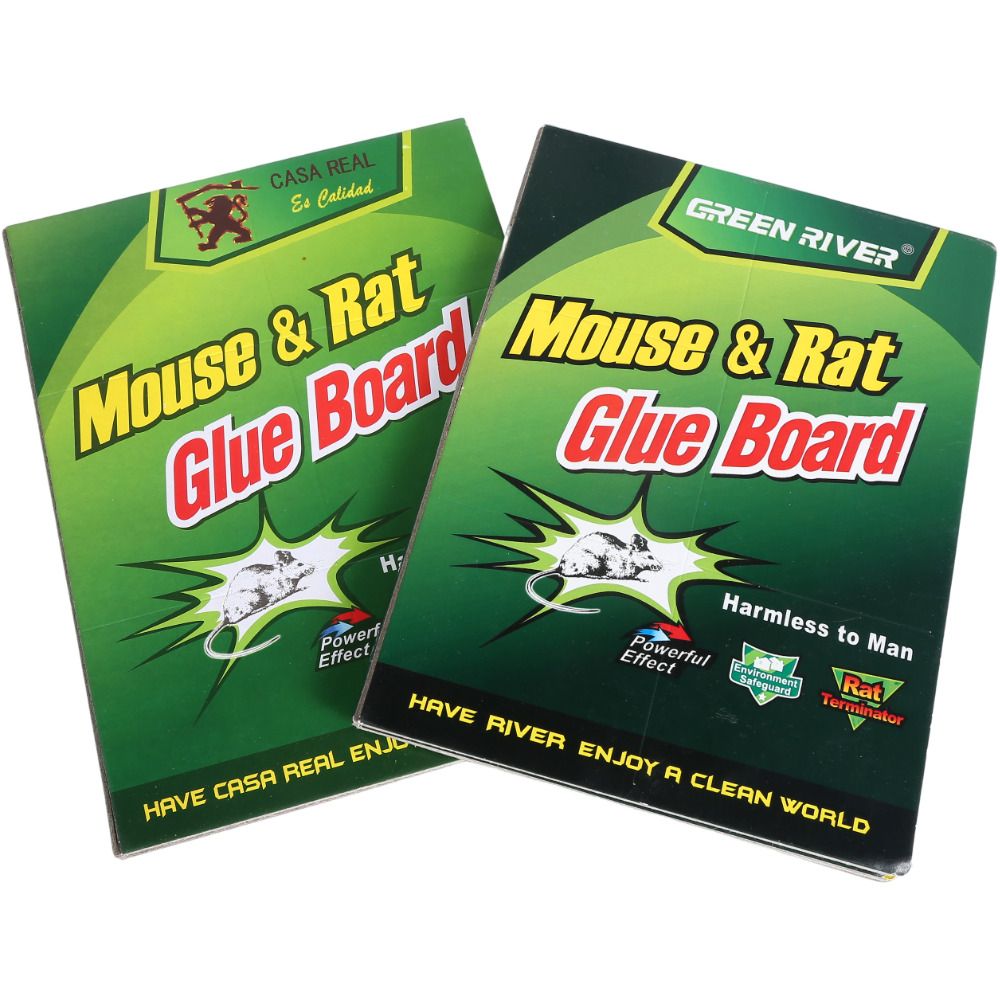
Indoor rodent infestations demand a highly strategic approach. Since these invaders are constantly seeking shelter, warmth, and easy calories, your placement strategy should aggressively target these specific necessities. Below are the most highly recommended indoor zones for immediate trap deployment.
Because mice and rats navigate by hugging walls, your baseboards are the single most critical placement zones. When positioning your trap, do not place it parallel to the wall with a small gap in between. If you leave even a half-inch of space, a running mouse will simply squeeze through the gap and bypass the adhesive entirely. Press the trap lengthwise so it is completely flush against the baseboard. For long, uninterrupted stretches of hallway or garage walls, setting a trap every 5 to 10 feet increases your interception rate significantly.
The kitchen serves as the primary dining room for indoor pests. Refrigerators and stoves are particularly attractive hideouts. Their running motors generate a constant, comforting warmth. Furthermore, dropped crumbs, grease splatters, and food debris inevitably accumulate in the tight spaces beneath and behind these heavy appliances. Sliding a trap carefully behind a humming refrigerator or alongside the hidden base of an oven targets these creatures exactly where they forage and rest.
Dark, undisturbed areas where bulk food is stored act as natural magnets for hungry mice. When dealing with kitchen cabinets or deep pantries, placement requires meticulous care to avoid accidental cross-contamination with your groceries. Slide a Sticky Mouse Board deep into the back corners of the lowest shelves. Ensure the adhesive surface is positioned safely away from any direct contact with cardboard food packaging or loose produce.
These subterranean and elevated spaces are characterized by extremely low human traffic, perpetual darkness, and abundant nesting materials like fiberglass insulation. Unsurprisingly, they serve as the primary breeding grounds for severe infestations. In these expansive areas, identify the perimeter concrete walls, exposed structural support beams, and areas immediately surrounding ventilation shafts. Place your defenses tightly along these structural guidelines.
Moving outside the primary climate-controlled living quarters, transitional areas like garages and agricultural outbuildings present unique environmental challenges. These unsealed spaces often serve as the very first point of entry for wildlife transitioning from the cold outdoors to the cozy indoors.
Garages are notoriously susceptible to rodent activity. Uneven rubber weatherstripping gaps often left beneath heavy garage doors provide an easy entrance. Rodents slip inside seeking immediate shelter from harsh weather, eventually chewing through wires inside warm vehicle engine compartments. Establish a defensive perimeter immediately. Position traps flush against the concrete walls on either side of the main garage door. Specifically target cluttered, shadow-filled corners where storage boxes are stacked.
Agricultural settings are incredibly hostile environments for adhesive-based pest control. The primary enemy here is not the cleverness of the rat, but the harsh environment itself. Barns and tool sheds are filled with swirling airborne dust, loose hay, and kicked-up dirt. If left exposed on a barn floor, the sticky surface will quickly become coated in a thick layer of debris. To mitigate these environmental challenges, place a Rodent Glue Trap inside protective plastic bait stations or hollowed lengths of PVC pipe. This creates a dark, inviting tunnel that rodents naturally want to explore while keeping the sensitive adhesive pristine and functional.
Rodents are exceptional climbers, frequently utilizing structural elements as vertical highways. Utility lines, plumbing pipes, and HVAC conduits provide direct, unsealed access points right into the hollow wall voids of a building. Carefully inspect the areas where these pipes breach your garage walls or basement foundation. Placing traps on the ledges directly beneath these specific entry points allows you to intercept invaders the exact moment they breach the exterior shell.
Understanding the physical capabilities of your specific target species is crucial. Mice and rats require entirely different equipment due to their massive disparities in size, weight, and muscle strength. Using the wrong size trap is a guaranteed way to fail. A standard mouse trap is small, lightweight, and uses a very thin layer of glue. If a mature rat steps on a flimsy mouse trap, it will easily pull its foot free or simply drag the lightweight plastic away entirely into your walls.
If you suspect rat activity—indicated by larger, capsule-shaped droppings or deep gnaw marks on wood—you must upgrade immediately to a heavy-duty Rat Glue Board. Professional-grade options are engineered with significantly heavier materials and a much thicker, industrial-strength adhesive pool designed specifically to hold a powerful, thrashing animal securely in place. The glue formula must maintain a strong initial tack across a wide temperature range.
| Technical Feature | Standard Mouse Board | Professional Heavy-Duty Rat Board |
|---|---|---|
| Adhesive Thickness & Tack | Thin glue layer, suitable for light pests | Deep adhesive pool, ultra-high initial tack |
| Base Material Structure | Lightweight cardboard or thin plastic | Rigid plastic tray or reinforced thick board |
| Target Species Profile | Small house mice, spiders, roaches | Norway rats, Roof rats, large rodents |
| Deployment Flexibility | Flat deployment only | Foldable creases for tunnel or corner setups |
Even when armed with premium tools, simple user error remains the leading cause of a failed trapping campaign. Recognizing and actively avoiding these frequent missteps will drastically improve your capture success rate and ensure your investment is not wasted.
This is undeniably the most frequent mistake made by frustrated property owners. As established earlier, rodents suffer from poor vision and possess a deep-seated fear of open spaces. A trap placed stubbornly in the middle of a kitchen linoleum floor or the center of a garage will be actively and easily avoided. Always secure your devices tightly against vertical structural surfaces.
Synthetic adhesive boards require a relatively clean, dry environment to function at peak capacity. If placed in a zone with high moisture—such as a damp basement floor or directly beneath a leaking sink pipe—the water will compromise the glue's structural integrity. It turns slick rather than sticky. Similarly, heavy sawdust or dirt coats the surface, creating a physical barrier that prevents the animal's paws from adhering. Always sweep the intended placement area prior to peeling the backing off the trap.
When a rat or mouse is successfully captured, the subsequent process of removing the trap introduces completely new health and safety risks. Rodents are notorious vectors for numerous severe zoonotic pathogens, including Hantavirus, Salmonella, and Leptospirosis. These diseases can be transmitted through direct physical contact with the animal, its urine, feces, or even its disturbed nesting materials. Handling a used trap requires uncompromising adherence to clinical hygiene protocols.
The most significant, yet invisible, risk during the disposal process is the aerosolization of dangerous pathogens. When a rodent is stressed upon capture, it frequently releases urine or feces onto the trap's surface. If these droppings dry out, the microscopic viral particles can easily become airborne when the trap is picked up or jostled. The Centers for Disease Control and Prevention advises treating any trapped rodent as a legitimate biohazard. Before approaching the catch, put on non-absorbent, disposable gloves. If the trap is located in a confined, poorly ventilated space like a dusty attic, wearing a tight-fitting N95 respirator mask is strongly recommended to prevent the accidental inhalation of aerosolized particles.
Safe disposal requires a systematic, careful approach to ensure that pathogens are fully contained. First, ventilate the area if possible by opening nearby windows. Do not sweep or vacuum the immediate floor space, as this will stir up infectious dust. Instead, carefully spray the dispatched rodent, the trap itself, and the immediate surrounding floor area with a commercial disinfectant or a strong mixture of bleach and water. Let this sanitizing solution sit undisturbed for a full 5 minutes to neutralize surface pathogens.
Next, using your gloved hands, pick up the trap and place it directly into a heavy-duty plastic garbage bag. Seal the top of the bag tightly. Place that first bag into a second plastic bag and seal it securely again. Dispose of this double-bagged package in a covered, outdoor trash receptacle away from pets and children. Finally, remove your gloves by peeling them off from the wrist inside-out, discard them, and immediately wash your bare hands vigorously with soap and warm water for a minimum of 20 seconds.
A frequent point of confusion among property owners aiming for quick results is whether an adhesive board actually requires food bait to function properly. Understanding the biological behavior and natural instincts of your targets is the key to maximizing your capture rate.
Fundamentally, a well-placed Glue Board Trap does not require any bait whatsoever to do its job. Because these specialized devices are designed to intercept rodents as they blindly travel along their established natural runways, the trap acts as an unavoidable roadblock. The rodent simply runs onto the sticky board during its normal, frantic nightly foraging routine.
In fact, mature rats are naturally neophobic. They possess a strong, survival-driven behavioral fear of new objects suddenly appearing in their environment. If you place a large, unfamiliar trap right in the middle of a room and load it with a massive mound of bait, a cautious rat is highly likely to ignore it entirely. They prefer to stick to the safety of the room's shadowy perimeter.
However, carefully applied bait can sometimes increase the catch rate for younger, highly curious mice. If you choose to bait the center of the board, precision is absolutely critical. You should only use a very small amount of bait, approximately the size of a single green pea. Place this tiny, aromatic drop exactly in the dead center of the adhesive. If you use too much bait, or place it too close to the outer edge, the rodent may simply stretch its neck, consume the free meal, and retreat to safety without ever stepping a single paw onto the glue. Effective baits include a tiny dab of peanut butter or hazelnut spread.
Successfully eradicating a rodent infestation relies entirely on outsmarting the pest through an understanding of their natural runways and survival instincts. By consistently placing traps flush against structural walls, targeting warm and hidden areas, and keeping the adhesive surface meticulously clean of environmental debris, you maximize your interception rate. While these tools require diligent daily monitoring and strict adherence to sanitary disposal guidelines, their immediate deployment capabilities make them a formidable weapon in your pest control arsenal.
Are you ready to protect your facility or home with professional-grade solutions? Stop wasting time and money on ineffective, poorly designed traps that allow pests to escape. Equip yourself with high-tack, industrial-strength options. Visit Lisnpestkiller today to explore a complete range of premium adhesive pest control products engineered for absolute reliability and superior holding power.
The longevity of the synthetic adhesive depends entirely on the environmental conditions of your chosen placement area. In a pristine, climate-controlled, indoor environment like a kitchen pantry, a high-quality trap can maintain its maximum tackiness for several months, often lasting up to a full year. However, if the trap is placed in an environment with high levels of airborne particulate matter, the dust will rapidly coat the surface. In dirty conditions, the trap may lose its effectiveness within just a few weeks or even a few days. Regular visual inspections are strictly necessary to ensure the glue remains clear, shiny, and highly functional.
Safety and absolute calmness are your top priorities in this stressful situation. Never forcefully pull or yank the board away, as the industrial-strength chemical adhesive can easily tear your pet's fur or severely damage their delicate skin. Instead, utilize common household cooking oils to safely and gently break down the chemical bonds of the glue. Generously massage vegetable oil, baby oil, mineral oil, or even smooth creamy peanut butter directly into the area where the glue meets the pet's fur or paws. Allow the oil to sit and soak for five to ten minutes to fully dissolve the adhesive polymers. Once the glue softens and loses its grip, you can safely and painlessly slide the board away. Afterward, wash your pet thoroughly with a mild, pet-safe shampoo and warm water to remove the residual oil and dissolved glue.
Yes, they can be highly effective, but it is absolutely critical to select the appropriate, heavy-duty tool for the target species. A standard mouse board is manufactured with a lightweight base and a very thin layer of glue. If a large, muscular rat steps on a flimsy mouse board, it possesses the physical strength to violently pull itself free, or worse, drag the lightweight trap away entirely into your walls. To successfully capture larger, mature rodents, you must purchase and deploy specialized rat-sized boards. These specific products are engineered with a significantly heavier, durable plastic tray and a much thicker, stronger layer of proprietary adhesive specifically designed to hold the heavy weight and intense muscle mass of a thrashing rat.
Using adhesive traps in outdoor environments is strongly discouraged by nearly all pest control professionals. The unpredictable outdoor environment introduces severe variables that rapidly destroy the trap's functionality. Morning dew, heavy rain, and high ambient humidity will instantly compromise the adhesive, turning it slick. Conversely, extreme summer heat can cause the glue to melt into a liquid and run right off the board, while freezing winter temperatures will cause the glue to become brittle, hard, and lose its tackiness completely. More importantly, outdoor placement creates a severe, unethical risk of catching non-target native wildlife. Beneficial creatures such as foraging songbirds, small lizards, garden frogs, and non-venomous snakes can easily become permanently stuck, resulting in unintended and cruel ecological harm.
The most common and detrimental mistake property owners make is vastly underestimating the sheer volume of traps required to handle an active infestation. Rodents reproduce at an astonishingly rapid rate. Where there is one visible mouse, there are almost certainly dozens more hiding in the walls. For a mild to moderate infestation, standard professional pest control guidelines suggest placing a trap every 5 to 10 feet along an actively used wall or identified runway. In areas of exceptionally high activity, such as directly behind a warm stove or inside a heavily infested pantry closet, you should place two traps side-by-side to create a much larger, unavoidable interception zone. Utilizing a higher density of traps from day one significantly reduces the total time it takes to completely eliminate the breeding population.
If a trap gets dragged or flipped over, it can leave a stubborn, sticky residue on your hard floors. Never use harsh scraping tools or razor blades, as this will permanently scratch your flooring. Instead, apply a generous amount of mineral oil, vegetable oil, or a commercial adhesive remover directly onto the sticky spot. Let the oil sit for several minutes to break down the chemical polymers. Wipe the area clean with a disposable rag or paper towel. Finally, clean the floor with standard soapy water to remove the slip hazard caused by the residual oil.
Rodents are incredibly agile and possess excellent muscle memory. If a mouse encounters a single flat trap along its daily runway, it may simply learn to leap over the obstacle. To counter this athletic behavior, expand your physical interception zone. Place two or three traps side-by-side to create a wider barrier that is impossible to clear in a single jump. Alternatively, utilize foldable traps to create a raised tunnel against the wall. This forces the rodent to walk through the sticky surface rather than over it.


