
Picture this. You finally settle into your patio chair with a cold drink. Suddenly, a relentless swarm of hungry mosquitoes chases you back inside. For generations, the traditional Mosquito Coil has served as a reliable defense mechanism. It creates a smoldering barrier to keep biting pests at bay. However, browsing the pest control aisle today reveals a dizzying array of sizes, thicknesses, and chemical formulations. Does the physical size of the spiral actually change how long it lasts?
In short, yes. Physical dimensions play a primary role in dictating the overall lifespan. Yet, size is merely one piece of a much larger engineering puzzle. Everything from a gentle backyard breeze to the specific binder formulation drastically alters endurance. Throughout this guide, we break down exactly how dimensions impact performance. We will explore the combustion science behind spatial repellents and share actionable tips to help you extract maximum protection from your purchase.
Size Inherently Matters: Larger and thicker spirals contain significantly more combustible material. They generally offer 8 to 12 hours of continuous protection, compared to the 4 to 6 hours provided by standard variants.
Environment is Crucial: Even the most robust heavy-duty options burn noticeably faster in high winds or bone-dry conditions due to increased oxygen flow feeding the ember.
Formulation Impacts Burn Rate: Products manufactured with tightly compressed, high-quality ingredients burn more evenly and predictably than cheaper, loosely packed alternatives containing microscopic air pockets.
Proper Usage Extends Life: You can maximize the lifespan of your spatial repellent by utilizing proper metal holders, placing them in wind-sheltered areas, and storing them away from ambient humidity.
The modern pest-repelling spiral boasts a rich engineering history dating back to the late 19th century. Originally, insect-repelling powders made from dried pyrethrum were burned in small, loose piles. Unfortunately, this method consumed the active powder entirely too fast. To solve this inefficiency, innovators discovered a better mechanical approach. Mixing the active botanical dust with a combustible binder like sawdust or wood powder and shaping it into a spiral allows for a slow, continuous smolder. This specific anatomy is an engineering marvel. By coiling the material, manufacturers pack a remarkably long, linear path of combustible paste into a compact, manageable footprint.
The effectiveness of this classic deterrent relies on a well-documented dual-action process. First, the physical smoke generated by the smoldering wood powder acts as a masking agent. Mosquitoes locate human targets by tracking the carbon dioxide we exhale and the lactic acid present on our skin. A steady stream of smoke disrupts their sensory receptors, making it exceedingly difficult for them to lock onto your location. Furthermore, the heat from the ember vaporizes the active insecticidal ingredients embedded within the paste. Modern formulations typically utilize synthetic pyrethroids such as D-allethrin or Meperfluthrin. As these compounds are released into the air, they create an invisible protective dome that overstimulates the nervous systems of entering insects, forcing them to flee.
A frequent debate circulating on social media forums is whether the smoke itself actually kills the mosquitoes or merely annoys them. From an empirical standpoint, outdoor usage is primarily designed for repelling rather than eliminating. In an open-air environment, the concentration of vaporized pyrethroids remains high enough to deter pests but usually too dispersed to deliver a lethal dose. The mosquitoes survive the encounter, but they are successfully driven away from your immediate seating area. In contrast, if a spiral burns in a highly enclosed space, the concentration can reach lethal levels for small insects. Health guidelines strongly advise against indoor usage for this exact reason.
Analyzing recent market data reveals a clear consumer shift toward maximum endurance in spatial repellents. As outdoor living spaces become increasingly elaborate, users demand set-it-and-forget-it solutions. Constantly monitoring a shrinking ember is no longer acceptable. Consequently, the manufacturing sector is heavily investing in high-pressure extrusion technologies. This industrial innovation creates incredibly dense pastes that resist premature extinguishing. Furthermore, there is a growing emphasis on eco-friendly binders. Brands are moving away from raw sawdust toward refined carbonized materials. This dual focus on extended burn times and cleaner emissions represents the future of outdoor pest control.
When evaluating whether size affects endurance, the short answer is a definitive yes. The physical dimensions dictate the total volume of combustible fuel available. Standard spirals typically measure around 125mm to 130mm in diameter. Unrolling one into a straight line yields a track roughly three feet long. Jumbo variants, conversely, often reach 137mm or 140mm in diameter and feature a tighter, more robust pattern. This increased diameter translates directly to a significantly longer track for the ember to travel, inherently extending the lifespan of the product by several hours.
While diameter is the most visually obvious metric, thickness remains an equally critical factor in determining combustion dynamics. A product that is wide but paper-thin will burn rapidly because the ember easily consumes the minimal material in its path. Specifically, a thicker profile burns much slower. The density of the paste requires the ember to expend more thermal energy to progress forward. High-quality, heavy-duty options are engineered to be both wider and thicker, ensuring that the smoldering process is slow, deliberate, and highly resistant to premature extinguishing.
Based on standard manufacturing parameters from leading production lines, here is how different sizes typically perform under controlled conditions. This data helps you match the product specifications directly to your outdoor needs:
| Coil Diameter | Weight per Coil | Estimated Burn Time | Best Application Scenario |
|---|---|---|---|
| 125mm (Standard) | 12g - 13g | 4 - 5 Hours | Short patio breaks, quick gardening tasks |
| 130mm (Large) | 14g - 15g | 5 - 7 Hours | Evening dinners, sunset relaxation |
| 137mm (Jumbo) | 16g - 18g | 8 - 10 Hours | Overnight camping, outdoor parties |
| 140mm (Heavy-Duty) | 18g+ | 10 - 12 Hours | Commercial patios, all-night perimeter defense |
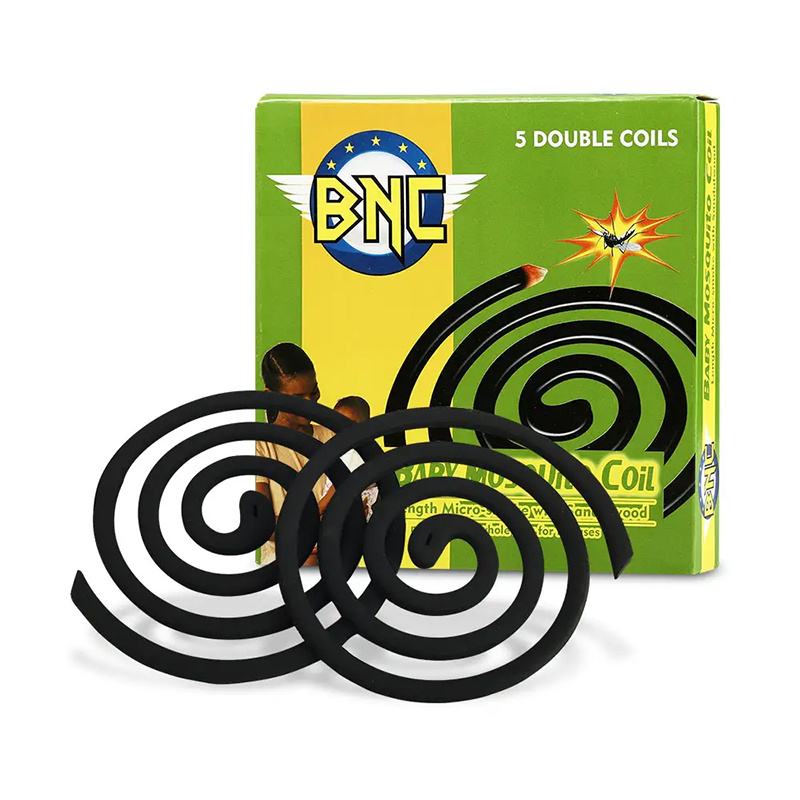
The fundamental science of combustion relies heavily on oxygen availability. Placing an Outdoor Coil in a breezy environment turns the wind into a natural bellows. It forcefully feeds excess oxygen directly into the smoldering ember, significantly accelerating the combustion rate. Consequently, a product rated for eight hours might easily burn out in just four if subjected to a steady, moderate wind. Strong gusts also scatter the repellent vapor too rapidly, tearing holes in your protective dome and rendering the product less effective.
Ambient moisture plays a surprisingly large role in how these products behave. The wood powder and binders used in traditional formulations are naturally hygroscopic. They readily absorb moisture from the air. In highly humid environments, such as tropical coastal areas or immediately following a summer rainstorm, the paste becomes slightly damp. This excess moisture forces the ember to expend energy evaporating water before it can burn the fuel. This process effectively slows down the burn rate. In extreme cases of high humidity, it may struggle to stay lit entirely.
Not all spirals of the same size are created equal. The manufacturing process heavily dictates the density of the final product. Cheaper, budget-tier options often suffer from poor compression during the molding phase. This leaves microscopic air pockets throughout the paste. These air pockets allow the ember to flash forward quickly, resulting in an uneven and rapid burn. Premium brands utilize high-pressure extrusion to compress the powder tightly, ensuring a dense, uniform medium that burns at a consistent, leisurely pace.
Physical damage and improper setup will drastically alter burn dynamics. If a spiral is snapped or fractured, the structural integrity is compromised, forcing you to burn it in shorter, less efficient segments. Additionally, resting a lit piece directly on a flat surface like a concrete step rather than suspending it on its designated metal stand causes severe conduction heat loss. The cold surface pulls heat away from the ember, which can either extinguish it prematurely or cause it to burn unevenly as it struggles to maintain its smolder.
Standard 125mm to 130mm options remain the most ubiquitous choice on the market for a good reason. They perfectly align with the average duration of evening outdoor activities. You should opt for standard sizes when you need targeted, short-term protection. They are ideal for a two-hour family barbecue, a quick session pulling weeds in the garden, or reading a book on the porch as the sun goes down. Because they naturally burn out in 5 to 7 hours, you avoid leaving a smoldering ember unattended when you head to bed.
Jumbo 137mm and 140mm variants are purpose-built for endurance. If you are hosting a large outdoor wedding reception, spending a weekend at a humid campsite, or operating an open-air commercial patio, constantly monitoring and replacing a Coil Mosquito Repellent is highly inconvenient. Heavy-duty sizes provide true peace of mind. Lighting a large spiral at dusk guarantees that your perimeter will remain protected well past sunrise, making them the ultimate choice for overnight defense.
From a consumer purchasing perspective, evaluating the cost per hour of burn time is essential. While jumbo sizes carry a higher upfront sticker price, their extended lifespan often makes them the more economical choice for heavy users. For occasional use, a standard box is perfectly adequate. However, if you live in a mosquito-dense region and rely on spatial repellents daily throughout the summer, investing in jumbo sizes provides noticeably better long-term value and reduces the annoying frequency of repurchasing.
While these deterrents are highly effective, it is important to approach their usage with a prudent understanding of air quality. Traditional wood-binder formulas generate a visible plume of smoke as they smolder. Scientific studies measuring air quality have shown that burning them releases fine particulate matter and volatile organic compounds. These emissions are generally harmless when dispersed in a large, breezy backyard. However, concentrated exposure in enclosed spaces can cause respiratory irritation, particularly for individuals with asthma or severe allergies.
To address respiratory concerns without sacrificing pest protection, the industry has pivoted toward cleaner alternatives. Upgrading to a Low Smoke Coil is an excellent way to maintain a pleasant patio atmosphere. Instead of relying on raw sawdust, these advanced formulations utilize highly refined charcoal powder or carbonized materials as their base binder. Because charcoal burns significantly cleaner than raw wood, these variants emit virtually no visible particulate plume. They still generate the precise amount of heat required to vaporize the active pyrethroids, ensuring your invisible shield remains fully intact without choking your guests.
Safety should always be the primary concern when utilizing combustible pest control. Adhere strictly to outdoor usage unless a product is specifically formulated and clearly labeled for indoor use. Never burn them in a closed bedroom or a tightly sealed camping tent. In addition, always maintain a safe distance. Place the burning device at least three feet away from seating areas to prevent direct inhalation of the vapor plume. Finally, always use the provided metal stand or a fireproof ceramic holder, keeping the glowing ember far away from dry grass, paper napkins, and flammable patio furniture.
Where you position your deterrent dictates both its efficiency and its ultimate lifespan. Since wind is the primary catalyst for rapid burning, strategic placement is vital. Try tucking the holder behind a heavy ceramic potted plant, a solid piece of patio furniture, or a decorative retaining wall. Shielding the delicate ember from direct breezes can easily add an extra hour or two to the total burn time. Additionally, keeping the device low to the ground targets mosquitoes where they typically fly, protecting vulnerable ankles from stealthy bites.
If your outdoor gathering ends before the spiral has completely burned out, there is no need to waste the remaining material. Allowing it to burn to ash unattended is highly inefficient. To safely extinguish it for future use, do not douse it in water. Water will ruin the structural integrity of the paste. Instead, you can carefully snap off the glowing tip with a pair of pliers and let the cherry burn out on a fireproof surface. Alternatively, slide a metal binder clip tightly over the track just below the ember. When the burn reaches the metal barrier, it will be starved of oxygen and extinguish automatically.
The longevity of this product is not solely about how it burns. It is equally about how it is stored long before you strike a match. The active insecticidal ingredients degrade quickly if left baking in extreme heat or direct ultraviolet sunlight. To ensure every Mosquito Coil Refill performs at its maximum advertised duration, immediately transfer unused spirals from their opened factory cardboard into a heavy-duty airtight container. Tossing a small silica gel packet inside will aggressively wick away any trapped ambient moisture, keeping the paste dry, dense, and ready to deliver hours of reliable protection.
While numerous environmental variables exist, physical size remains the most reliable indicator of baseline burn time. Upgrading to a heavy-duty 137mm or 140mm jumbo size is a highly practical decision for all-night protection. Conversely, a standard 125mm size perfectly handles a quick evening on the porch without creating unnecessary waste. Environmental factors like wind and ambient humidity will always influence the final duration. By choosing the appropriate size, opting for cleaner-burning formulations, and utilizing strategic placement techniques, you can easily enjoy a comfortable, bite-free environment all season long.
Ready to upgrade your outdoor defense strategy? Explore the professional-grade selection of pest control solutions at Lisn Pest Killer to find the exact size, burn time, and formulation tailored perfectly to your specific needs.
A standard 125mm spiral typically burns for 4 to 5 hours under ideal, windless conditions. Larger jumbo variants measuring up to 140mm contain more combustible material and can last anywhere from 8 to 12 hours depending on their overall density and the surrounding environment.
Yes. Wind acts as a natural bellows, supplying excess oxygen to the smoldering ember. This significantly accelerates the combustion process. Always place your deterrent in a sheltered area away from direct breezes to maximize its lifespan and maintain a strong protective dome.
Absolutely. A low-smoke variant vaporizes the exact same active insect-repelling ingredients as a traditional product. The difference lies solely in the binder. It is manufactured with highly refined charcoal or carbonized materials that produce far less particulate smoke, making it much more pleasant to breathe around.
Yes, though they boast a remarkably long shelf life. An unopened box can remain effective for about three to five years. If the product is exposed to high heat, excessive moisture, or direct sunlight, the active chemical ingredients will degrade, making them noticeably less effective at repelling pests.
Yes, saving a partially burned spiral is easy. Carefully snap off the burning tip with pliers, or gently wedge a metal binder clip just below the cherry to starve it of oxygen. Once the ember goes out against the metal barrier, safely store the remaining portion and relight it later.
For outdoor spatial repellents, synthetic pyrethroids like D-allethrin, Meperfluthrin, or Transfluthrin are highly effective. These compounds are specifically engineered to vaporize at the exact smoldering temperature of the binder, creating a reliable knockdown effect against flying insects.
Premature extinguishing is usually caused by three factors. Severe ambient humidity can dampen the paste. Microscopic fractures within the spiral structure can disrupt the burn path. Finally, placing the lit product directly on a flat, cold surface drains its thermal energy. Always use a proper metal stand to ensure proper airflow and heat retention.


