
Open-faced adhesive traps frequently fail in real-world environments. This failure rarely stems from poor glue quality. Instead, rapid environmental contamination destroys the tackiness. When dust, moisture, and debris settle on exposed adhesives, the trap loses its grip. This leads to escaped pests, inaccurate monitoring data, and wasted resources. Structural design modifications address this vulnerability directly. Specifically, foldable configurations convert a flat surface into an enclosed micro-environment. This simple change protects the adhesive integrity. It ensures long-term efficacy and improves overall capture rates across diverse environments. We see this constantly in field deployments where open boards become useless within days. By folding the trap, you shield the glue from falling debris and create a space that roaches actually want to enter.
Adhesive Longevity: Enclosed designs shield non-drying glues from airborne particulates, significantly extending the active lifespan of the trap.
Tamper Resistance: Foldable structures create a physical barrier that prevents accidental contact by non-target subjects, such as pets and children.
Behavioral Alignment: Cockroaches prefer dark, tight, and enclosed spaces (thigmotaxis); a folded tunnel design naturally encourages entry compared to an exposed flat board.
Versatile Deployment: Scored, foldable traps allow for shape adjustments (tunnels, tents, or flat) to fit specific environmental constraints and tight harborages.
Airborne dust, grease, and general debris act as an insulating layer over flat traps. In commercial kitchens, atomized grease settles continuously on all horizontal surfaces. When this microscopic grease coats an open cockroach glue trap, it neutralizes the chemical tackiness almost immediately. Dust particles from drywall, sweeping, or heavy foot traffic bind to the glue surface in a similar manner. A cockroach walking across a dust-coated trap simply walks off. The adhesive cannot penetrate the debris layer to grip the insect's exoskeleton. The trap becomes nothing more than a piece of dirty cardboard on the floor.
Ambient moisture poses a severe threat to exposed adhesives. High humidity environments introduce microscopic water droplets to the glue surface. Think of basements, commercial dishwashing stations, and residential bathrooms. Certain adhesive compounds emulsify, cloud, or physically weaken when left completely exposed to humid room environments. The glue loses its cohesive strength. This allows larger roach species to pull themselves free. Condensation settling directly on a flat glue board creates a slick surface. This entirely defeats the mechanical purpose of the trap.
Open adhesives carry high operational risks regarding non-target interference. Accidental adherence to footwear, cleaning equipment, pets, and children compromises the trap instantly. When a dog steps on an exposed glue board, the trap is destroyed. Removing heavy adhesive from fur causes immense frustration for the owner. This non-target interference creates liability in residential and public settings. Users end up discarding traps prematurely. You waste pest control budgets on replacements rather than active monitoring.
Field technicians regularly encounter specific failure points when deploying flat boards in active facilities. These failures follow predictable patterns based on the surrounding environment.
Grease accumulation from fryers and stovetops coating the glue.
Drywall dust from nearby construction or renovations neutralizing the tack.
Floor sweeping activities that kick up particulate matter directly onto the board.
Direct water splashes from mop buckets or sink overflows washing out the adhesive.
Pet hair shedding that creates a physical mat over the sticky surface.
Table: Environmental Contaminant Impact on Adhesives
| Contaminant Type | Source Environment | Effect on Glue Surface |
|---|---|---|
| Atomized Grease | Commercial Kitchens | Creates a slick, non-tacky film over the adhesive. |
| Drywall Dust | Construction Zones | Binds to the glue, forming a hard, impenetrable crust. |
| Ambient Condensation | Dishwashing Stations | Emulsifies the glue, reducing cohesive holding strength. |
| Cardboard Fibers | Warehouses | Coats the surface, giving insects a dry path to walk across. |
Deployment requires a simple, clean mechanism to ensure the trap functions as intended. Users remove the trap from the packaging and peel off the protective release paper covering the glue. Utilizing pre-scored lines stamped into the cardboard, you fold the trap into its active three-dimensional shape. You do this without ever contacting the glue. This touch-free assembly ensures the adhesive remains pristine. Your hands remain clean, streamlining the setup process for both homeowners and pest management professionals handling dozens of units.
Scored lines allow a single flat board to transform into a highly effective, customized trap. Common folding patterns include tents, tunnels, and rectangular box shapes. A tunnel configuration provides dual entry points while keeping a low profile. This works perfectly for sliding under cabinets. A box shape maximizes internal vertical space. It accommodates larger species like American cockroaches without their antennae sticking to the roof prematurely. These structural choices adapt the trap to specific environmental constraints.
Folding the trap creates a darkened, enclosed space that mimics natural cockroach harborages. Cockroaches exhibit thigmotactic behavior. They prefer physical contact on multiple sides of their bodies simultaneously. A foldable cockroach trap leverages this biological drive perfectly. The enclosed tunnel feels safe and secure to the insect. It naturally encourages entry far more effectively than an exposed flat board positioned in the open. They perceive the trap as a hiding spot rather than a hazard.
Cardstock thickness dictates structural success in pest management. A trap must maintain a rigid, no-collapse structure under humid conditions or physical stress. If the cardboard absorbs ambient moisture and caves in on itself, the roof sticks to the adhesive floor. This renders the trap useless and blocks pest entry entirely. High-quality rigid materials ensure the tunnel remains open, functional, and structurally sound for months. We see this hold true even in challenging environments like damp cellars or active warehouses.
Proper assembly follows a strict sequence to maximize the structural integrity of the folded unit.
Crease all pre-scored lines firmly before removing the release paper.
Peel the release paper back in one smooth motion to avoid tearing.
Fold the side walls upward to a ninety-degree angle.
Bring the roof panels together and engage the locking tabs securely.
Inspect the tunnel openings to ensure no glue is blocking the entryways.
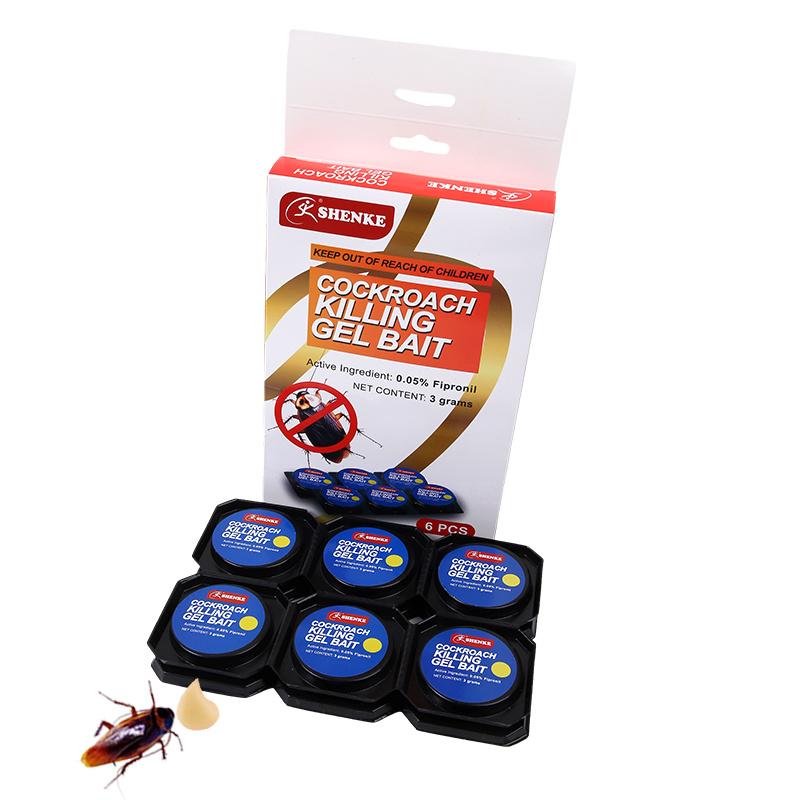
A folded design places a physical roof over the adhesive floor. This fundamentally changes how the trap interacts with the room. This roof prevents vertical dust settling. Gravity pulls airborne particulates downward. The cardboard canopy catches this debris, preserving the heavy adhesive underneath. Maintaining a pristine glue surface is non-negotiable for snagging large roaches immediately upon contact. Without this physical shield, the trap's functional lifespan drops from months to mere days in dusty environments.
An enclosed space actively concentrates attractants. Many modern traps use non-toxic pre-baited pheromones mixed into the glue. Others use manually inserted bait tablets placed in the center. Placing the bait inside the folded box prevents rapid dissipation into the open air. The tunnel channels the scent out of the specific entry points. This creates a stronger, highly localized attractant plume. This directed scent trail draws roaches directly into the trap's opening. It significantly increases the capture rate compared to a scent dispersing randomly in 360 degrees.
Limiting direct airflow over the adhesive surface slows the curing or drying process of non-drying glue formulations. Open ventilation accelerates the evaporation of any volatile compounds within the glue. This leads to a hardened, ineffective surface over time. The folded structure acts as a windbreak. It maintains the optimal viscosity and immediate tackiness of the adhesive for extended durations. This ensures the trap remains ready to catch pests weeks after the initial deployment.
HVAC systems in commercial buildings constantly move air, which wreaks havoc on open bait placements. A flat board allows the building's airflow to scatter the pheromone scent, confusing the insects. The folded tunnel protects the scent origin. It allows the pheromone to drift out slowly along the floorboards where roaches actually travel. This mechanical advantage turns a simple piece of cardboard into a highly efficient biological lure.
Table: Attractant Retention Comparison
| Environment Type | Open Board Scent Dissipation | Enclosed Tunnel Scent Retention |
|---|---|---|
| High Draft Area (HVAC Vents) | Under 24 hours | Up to 14 days |
| Standard Room (Low Airflow) | 3 to 5 days | 30+ days |
| Humid Zone (Basements) | Scent masked by moisture rapidly | Plume remains concentrated and active |
The success criteria for the glue itself center entirely on holding power. The adhesive must be heavy and durable enough to hold large cockroach species securely. Adult American or Oriental cockroaches possess significant leg strength and erratic escape movements. If the glue layer is too thin or lacks immediate tack, these insects will pull free. They often leave only a leg behind. A premium adhesive formulation grips the exoskeleton instantly and prevents any forward momentum.
Traps must adapt to the architecture of the infestation. An effective indoor cockroach sticky trap features a slimline design capable of sliding into ultra-tight, tamper-proof crevices. The ability to modify the trap dictates its utility in complex environments. You might lay it flat under a heavy refrigerator, fold it in half for a tight corner, or form it into a tunnel for a baseboard run. Rigid designs that cannot adapt often get left in sub-optimal locations where roaches rarely travel.
The user experience matters immensely during mass deployments. High-quality traps feature intuitive scoring and easy-peel release paper that does not tear. Users must be able to put them together rapidly. The glue should never stick to their hands or tear the cardboard during the folding process. Clunky assembly slows down professional pest control operations. It increases labor time and frustrates residential users who just want a quick solution to their pest problem.
Concealed, non-toxic designs meet strict safety requirements for residential and commercial spaces. By folding the adhesive inward, the trap minimizes the risk of accidental chemical or adhesive exposure to non-targets. This physical barrier ensures compliance with safety standards in sensitive areas. Think of food preparation zones, hospital cafeterias, schools, and homes with active pets. It provides peace of mind that the pest control method will not inadvertently harm the occupants.
Return on investment drives procurement decisions for facility managers and homeowners alike. A foldable trap may have a slightly higher unit cost than a basic flat cardboard square. However, the extended functional lifespan changes the financial math entirely. A flat trap ruined by dust in three days requires constant replacement. A folded trap lasting three months yields a significantly lower operational cost and a much higher overall catch rate.
Table: Trap Feature Evaluation Matrix
| Feature | Flat Exposed Trap | Foldable Enclosed Trap | Operational Impact |
|---|---|---|---|
| Dust Resistance | Low | High | Determines active lifespan in dusty environments. |
| Pet Safety | Poor | Excellent | Reduces liability and accidental adherence. |
| Pheromone Retention | Dissipates quickly | Concentrated plume | Increases draw rate for target species. |
| Placement Versatility | Limited to open floors | Fits tight crevices | Allows targeting of specific harborages. |
Trap placement dictates the success or failure of the entire monitoring program. Never place traps in the center of a room. Cockroaches navigate via edges and avoid open spaces. Position traps flush against baseboards, behind toilets, and under sinks near plumbing penetrations. Target known high-traffic zones. The entry points of the folded tunnel should run parallel to the wall. This intercepts roaches as they travel along the perimeter of the room looking for food and water.
Implementation tactics require situational awareness and physical adaptation. For a narrow gap between a kitchen oven and a cabinet wall, fold the disposable cockroach glue trap into a tight, low-profile tunnel. For a basement corner with more clearance, use a wider tent configuration to allow multiple entry angles. Adjusting the physical footprint ensures the trap intercepts the insect without blocking their natural path or alerting them to an obstruction.
Foldable designs offer significant hygienic and aesthetic benefits during maintenance and disposal. Sealed structures conceal trapped, dead roaches from view. This prevents visual disgust in commercial settings like restaurants, hotels, or offices where patrons or staff might see the trap. When the trap reaches capacity, users can pick up the rigid cardboard exterior. You dispose of the entire unit without ever looking directly at the insects or touching the exposed glue. This maintains high sanitation standards.
Executing a proper deployment requires a systematic approach to cover all potential harborages in a room.
Identify active water sources and plumbing wall penetrations under sinks.
Clean the floor area to remove loose debris before placing the trap.
Fold the trap into a tunnel shape using the pre-scored lines.
Place the trap with the open ends parallel to the baseboard.
Check the trap weekly to monitor capture rates and species types.
Document the date of placement directly on the cardboard exterior with a marker.
Pest control professionals rely heavily on enclosed monitoring boards to gather actionable intelligence before applying chemicals. Professionals place these traps to identify the exact roach species, locate primary harborages, and gauge the severity of an infestation. Knowing whether you are dealing with German cockroaches in a kitchen cabinet or Oriental cockroaches in a floor drain dictates the specific choice of bait, spray, or insect growth regulator used in the eradication protocol.
Monitoring does not end once the initial treatment is applied. Professionals replace traps post-treatment to monitor population decline accurately. A steady decrease in capture rates over several weeks confirms the eradication protocols are working as intended. If capture rates remain static or increase, the professional knows the roaches have found an alternative food source. They might harbor chemical resistance or are migrating from an adjacent untreated unit.
Accurate monitoring requires protected adhesives above all else. Only a roach monitoring glue board with a folded roof provides reliable, actionable data. An exposed trap that loses its stickiness due to dust will fail to catch passing roaches. This yields false negatives. The professional might look at the empty, dusty trap and assume the infestation is gone. This leads to premature termination of the treatment program and an inevitable resurgence of the pest population.
Professionals map the facility and assign a number to each monitoring station. They log the catch data on a floor plan. This spatial data reveals the epicenter of the infestation. You can track the movement of the colony over time. Without the physical protection of a folded design, this entire data collection process falls apart due to environmental contamination.
Folding a trap inherently reduces the total exposed surface area available for capture. A flat board offers one hundred percent of its surface for insects to step on. A folded box might only offer the floor area, reducing the functional footprint by half. During a severe, high-density infestation, a folded trap fills up much faster. It requires more frequent replacement compared to a massive, flat open board used in industrial settings.
Three-dimensional folded traps require vertical clearance. This presents placement limitations. Scenarios exist where a folded trap simply will not fit. Ultra-thin clearances under certain modern appliances, heavy manufacturing machinery, or tightly stacked warehouse pallets demand a zero-clearance solution. In these highly specific, restricted spaces, a flat trap remains the only viable physical option to intercept pests moving underneath the equipment.
Effective pest management relies on hybrid approaches to mitigate these limitations. Use foldable traps for long-term monitoring, targeted catching in living spaces, and dusty environments where longevity is required. Reserve flat boards for specific, highly controlled, dust-free environments or ultra-tight clearances where vertical space prohibits a folded structure. Matching the trap geometry to the specific micro-environment maximizes overall control. It ensures no harborage is left unmonitored.
Implement these immediate steps to establish an effective monitoring and trapping program in your facility:
Inspect the perimeter of all rooms to identify high-traffic pest zones, focusing specifically on water sources, plumbing wall penetrations, and dark crevices under heavy equipment.
Select a foldable trap constructed from rigid, moisture-resistant cardstock equipped with a heavy-duty, non-drying adhesive layer.
Fold the traps into tunnel configurations using the pre-scored lines and position them flush against baseboards with the open ends running parallel to the wall.
Establish a weekly inspection schedule to log capture rates, identify trapped species, and replace any units that have reached maximum capacity.
A: High-quality non-drying adhesives remain effective for up to three months when folded and protected from heavy dust. The enclosed design prevents the glue from curing prematurely and shields it from airborne particulates that neutralize tackiness.
A: Yes, provided you select a trap made from heavy-duty, moisture-resistant cardstock. If the cardboard is too thin, ambient humidity causes the structure to collapse. This sticks the roof to the adhesive floor and ruins the trap entirely.
A: Many modern foldable traps come pre-baited with non-toxic pheromones mixed directly into the adhesive. Placing a small food attractant or a bait tablet inside the folded tunnel can further increase capture rates by creating a highly concentrated scent plume.
A: Cockroaches exhibit thigmotaxis, a biological preference for tight spaces where they feel physical contact on multiple sides of their bodies. A folded tunnel mimics their natural harborages, making them feel secure and actively encouraging entry.
A: Foldable designs are significantly safer than flat boards. The folded structure creates a physical barrier that prevents dogs and cats from accidentally stepping on the exposed adhesive. This reduces liability and prevents messy, stressful cleanups.
A: Pick up the trap by the clean, rigid cardboard exterior and place it in an outdoor trash receptacle. The folded design conceals the trapped insects, allowing for hygienic disposal without touching the glue or seeing the dead pests.


